Movie spotlight
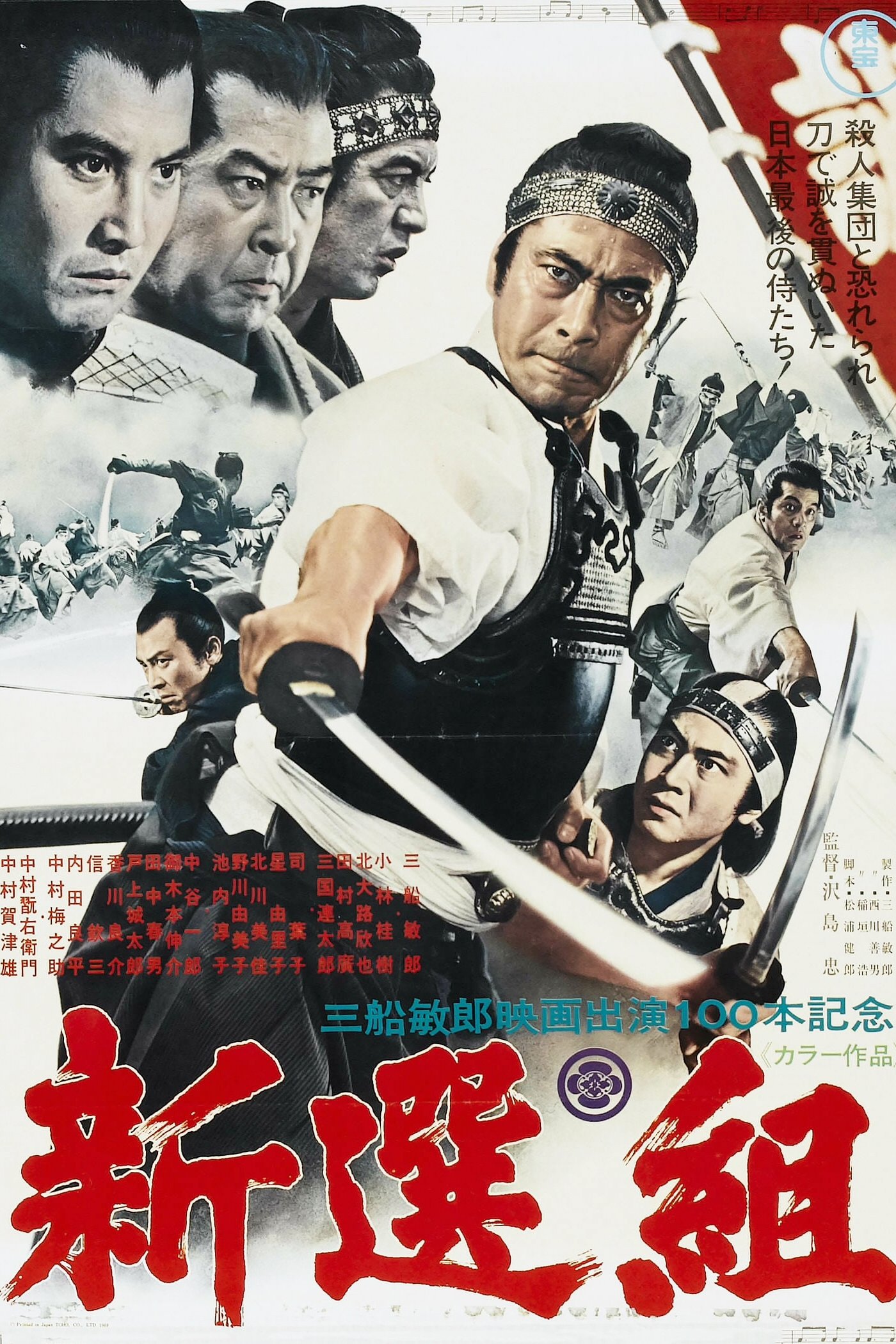
Shinsengumi: Assassins of Honor
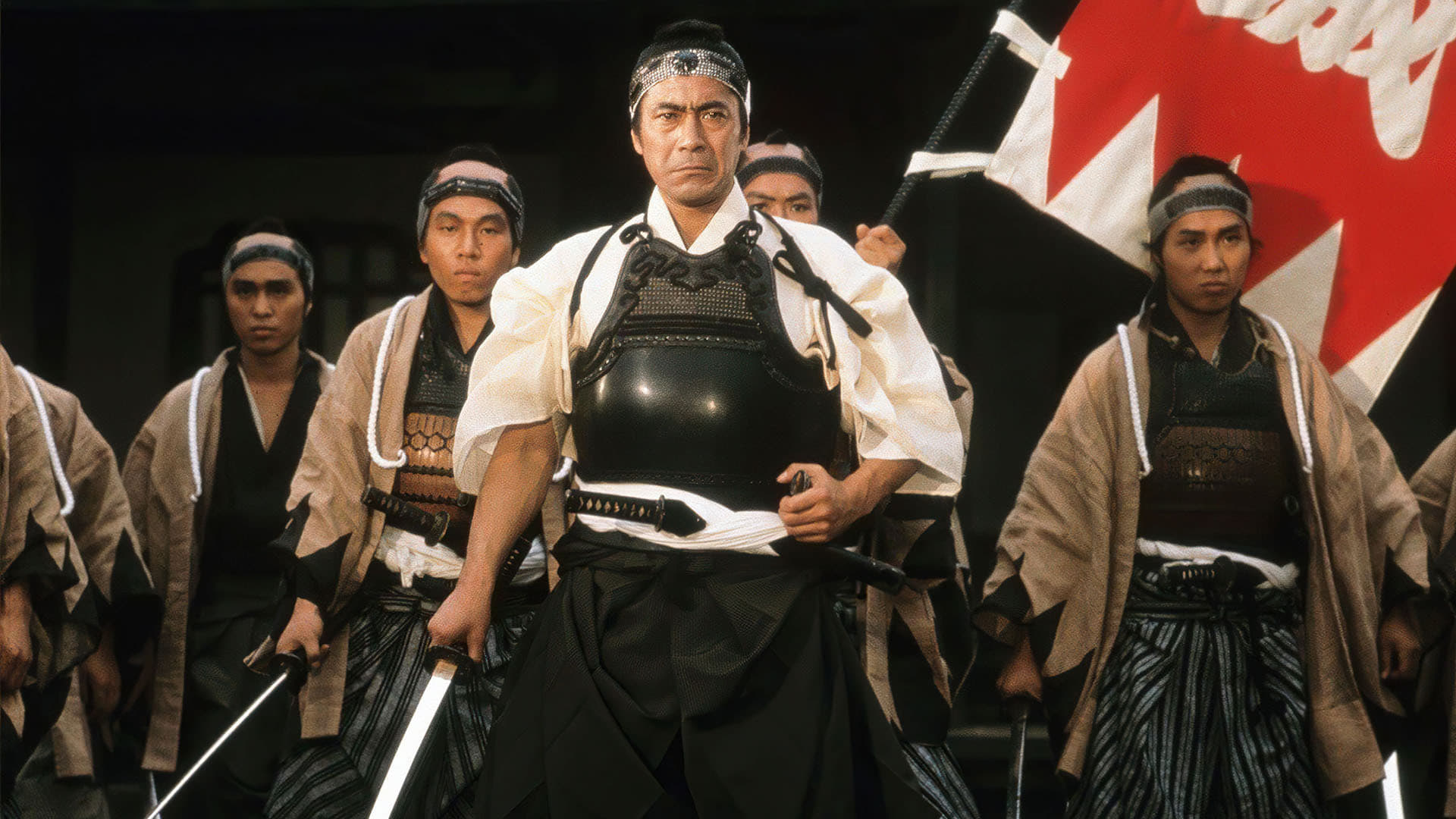
Near the end of the nineteenth century, as the balance of power shifts from Shogunate towards the Emperor, Japan restlessly awaits the dawning of a new age. But not all are content...The Shinsengumi, a small army of samurai, farmers and peasants, band together to do battle against the tide of history. Their leader, Isami Kondo is a man who rises from farmer to fighter to head the fierce Shinsengumi brigade. Using a stern hand and a heart of gold, he rallies his men in defense of the tottering Shogunate. But bloodshed and treachery lurk around every corner.
Insights
Plot Summary
In the tumultuous final years of the Tokugawa Shogunate, the Shinsengumi, a special police force, is tasked with maintaining order in Kyoto. The film chronicles the loyalty, betrayal, and bloody conflicts within the group as they confront anti-shogunate forces. It explores the moral ambiguities of their actions and the personal sacrifices made in the name of duty and honor.
Critical Reception
This samurai film is generally well-regarded for its action sequences and historical portrayal of a turbulent period in Japanese history. While not as universally acclaimed as some of Mifune's other works, it is appreciated for its dramatic intensity and depiction of complex loyalties.
What Reviewers Say
Praised for its thrilling sword fights and dramatic depiction of the Shinsengumi.
Appreciated for its historical context and exploration of loyalty and betrayal.
Some critics found the plot complex but ultimately rewarding.
Google audience: Audience reviews are sparse, but those available tend to highlight the film's action and historical significance, with some finding the narrative engaging.
Fun Fact
The film is part of a cycle of films from the 1960s that explored the Shinsengumi, a period that has remained a popular subject in Japanese cinema and television due to the group's dramatic and often brutal history.
AI-generated overview · Verify ratings on official sources