Movie spotlight
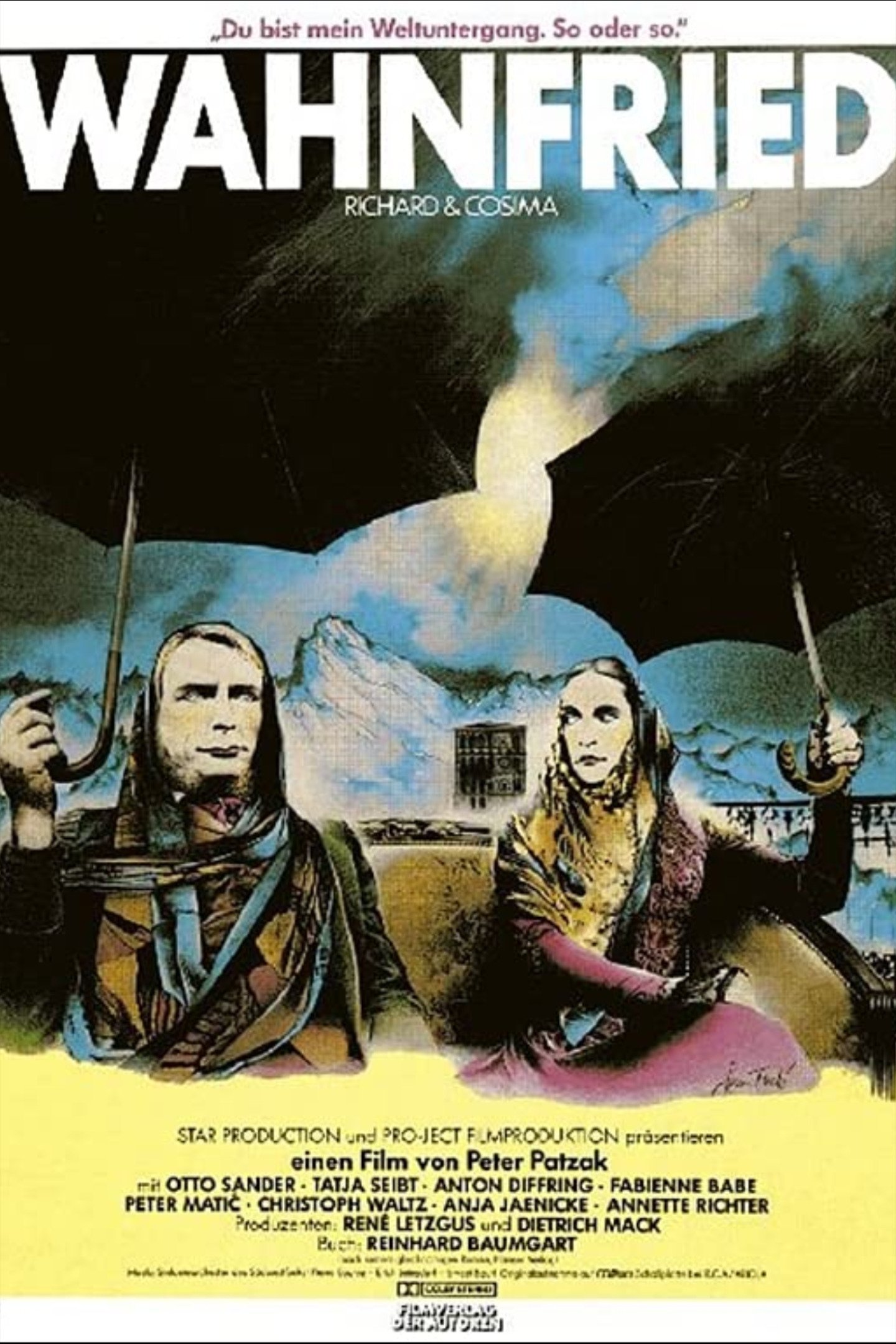
Wahnfried
Lake Lucerne in 1868: a passionate and forbidden affair flares up between the gifted composer Richard Wagner and the much younger Cosima von Bülow - the aristocrat is already married and the mother of four children. Contrary to all conventions, the two publicly confess their love - and break a social taboo in the process.
Insights
Plot Summary
The film chronicles the life of the renowned German composer Richard Wagner, focusing on his tumultuous personal life, his controversial artistic vision, and his relationships with key figures like his wife Cosima and King Ludwig II of Bavaria. It explores his rise to fame, his political struggles, and the profound impact of his music on the cultural landscape of the 19th century.
Critical Reception
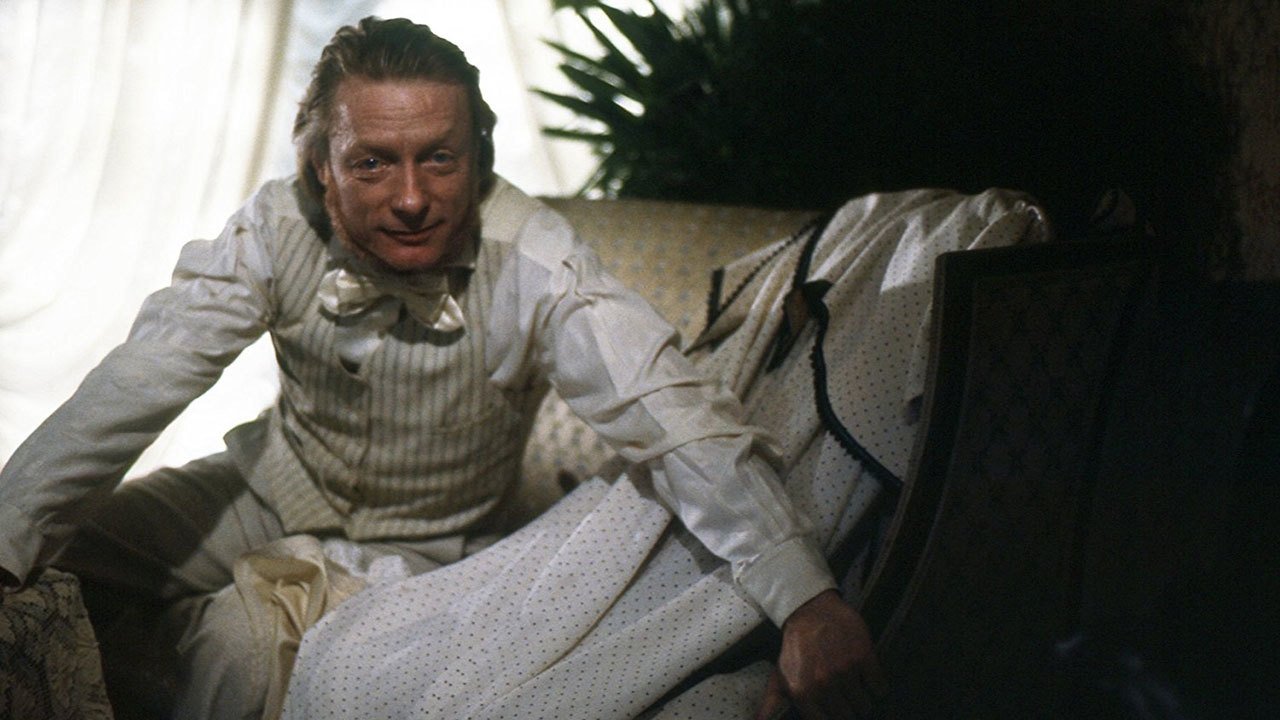
Wahnfried received mixed to positive reviews, with many critics praising Klaus Maria Brandauer's performance as Richard Wagner and the film's ambitious scope in depicting the composer's complex life. However, some found the pacing uneven and the narrative occasionally overwrought, struggling to balance biographical detail with dramatic interpretation.
What Reviewers Say
Praised for its strong central performance by Klaus Maria Brandauer.
Appreciated for its detailed portrayal of Richard Wagner's life and times.
Criticized by some for being too long or uneven in its storytelling.
Google audience: Audience reception is not widely available, but general consensus suggests appreciation for the biographical aspects and the lead actor's portrayal, though the film's length and dramatic interpretations may divide viewers.
Fun Fact
The film's title, 'Wahnfried', is the name of Richard Wagner's villa in Bayreuth, Germany, which he named himself, meaning 'Peace from delusion' or 'Delusion-fried'.
AI-generated overview · Verify ratings on official sources