
Movie spotlight
Jane Eyre
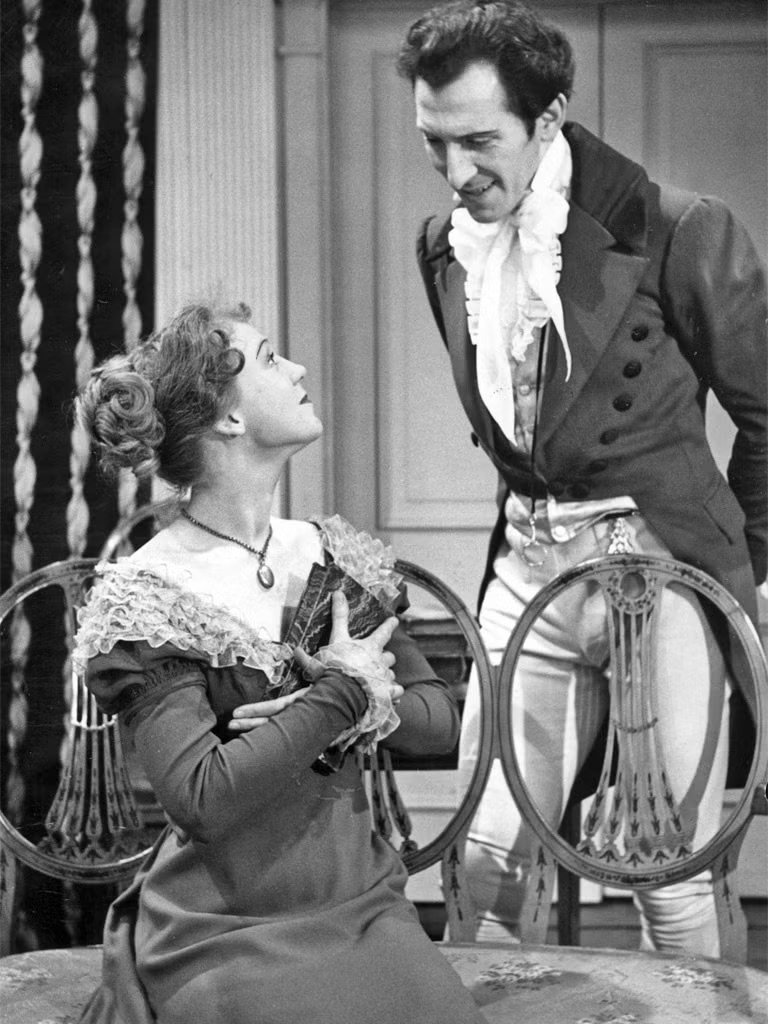
After a bleak childhood, Jane Eyre goes out into the world to become a governess. As she lives happily in her new position at Thornfield Hall, she meets the dark, cold, and abrupt master of the house, Edward Rochester. Jane and her employer grow close in friendship and she soon finds herself falling in love with him. Happiness seems to have found Jane at last, but could Rochester's terrible secret be about to destroy it forever?
Insights
Plot Summary
Orphaned and mistreated Jane Eyre endures a harsh upbringing at a charity school before becoming a governess at Thornfield Hall. There, she falls deeply in love with the brooding master of the house, Mr. Rochester. However, their burgeoning romance is threatened by dark secrets from Rochester's past and the mysteries surrounding the great house.
Critical Reception
The 1952 adaptation of "Jane Eyre" was generally well-received for its atmospheric direction and strong performances, particularly from Orson Welles and Joan Fontaine. While some critics noted deviations from the novel, it was praised for capturing the gothic mood and romantic intensity of Charlotte Brontë's classic story.
What Reviewers Say
Praise for its gothic atmosphere and faithful adaptation of key plot points.
Appreciation for the compelling performances of Orson Welles and Joan Fontaine.
Some critique regarding pacing and omission of certain novel elements.
Google audience: Audience reception data from Google is not readily available for this 1952 film.
Fun Fact
Orson Welles, who played Mr. Rochester, was reportedly quite domineering on set, often improvising lines and directing scenes himself, which sometimes clashed with director David Lean's vision.
AI-generated overview · Verify ratings on official sources