
Movie spotlight
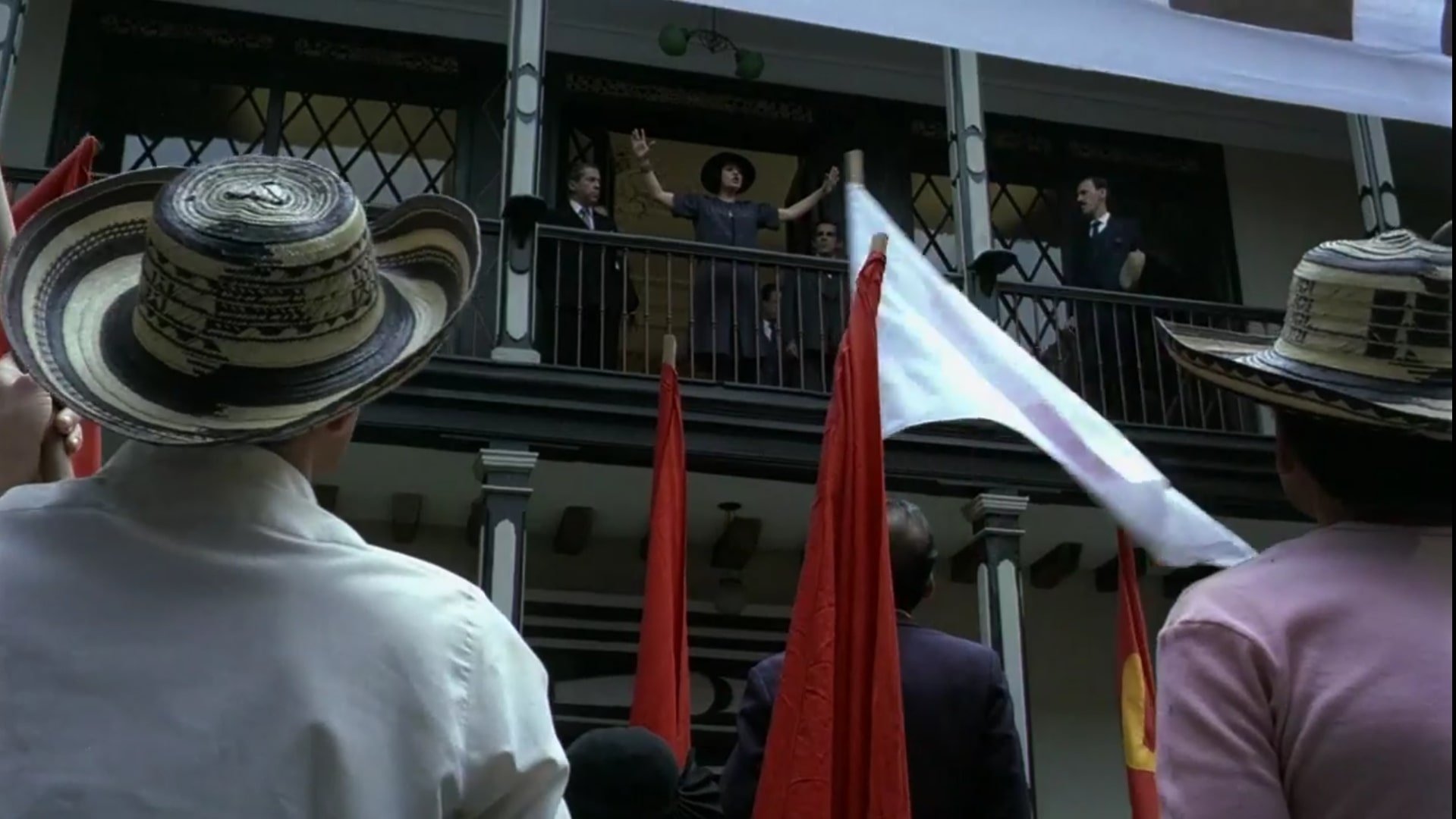
María Cano
Colombia receives the indemnity for Panama and accepts foreign credit to undertake development works, which increases the number of workers, although with poor wages and terrible working conditions. María Cano, a political activist, began her fight for the conditions of salaried workers and for the fundamental rights of the population.
Insights
Plot Summary
This Colombian film chronicles the life of María Cano, a pioneering union leader and feminist in early 20th-century Colombia. The narrative follows her journey from humble beginnings to becoming a powerful voice for the working class, facing significant opposition and risking her life for the cause of workers' rights and social justice. It highlights her struggle and dedication in a male-dominated society.
Critical Reception
María Cano was a significant film in Colombian cinema, praised for its portrayal of a crucial historical figure and its social commentary. While not widely released internationally, it garnered attention within Colombia for its strong feminist themes and historical relevance. Audience reception was generally positive, recognizing its importance in documenting the country's labor movement history.
What Reviewers Say
Praised for its historical accuracy and focus on a forgotten feminist icon.
Applauded for bringing to light the struggles of early labor movements in Colombia.
Seen as an important piece of Colombian social and political cinema.
Google audience: Information on specific Google user reviews for 'María Cano' (1990) is not readily available. However, films of this nature typically resonate with audiences interested in historical biographies and social justice narratives.
Fun Fact
María Cano was a prominent figure in the 'Banana Massacre' events of 1928, a pivotal moment in Colombian labor history that the film likely touches upon.
AI-generated overview · Verify ratings on official sources