Movie spotlight
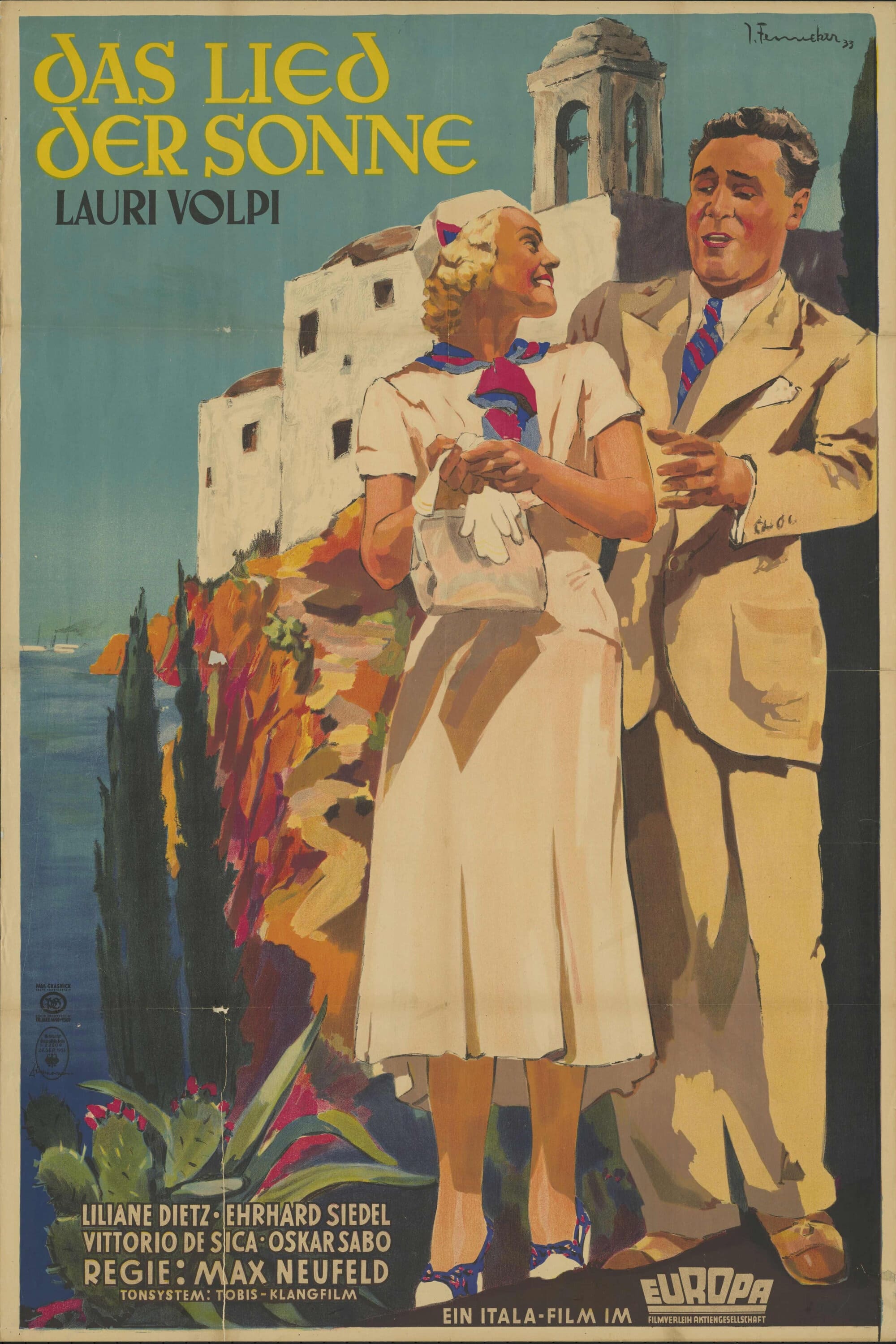
Das Lied der Sonne
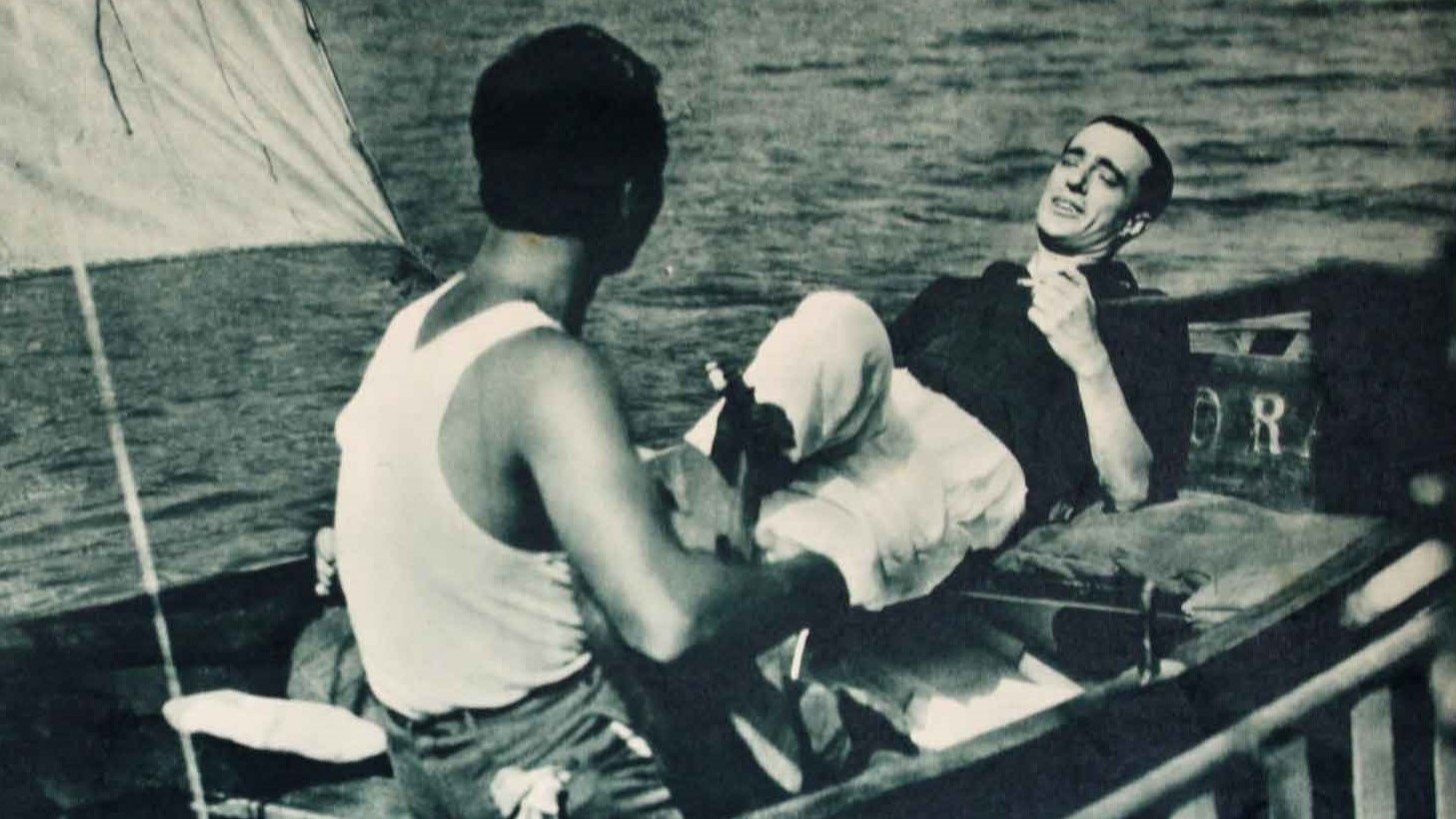
Impresario Adler is imprisoned for insulting an official and therefore unable to negotiate an important concert tour with opera singer Lauri Volpi. In his place, he convinces Friedel, a pretty music student, to travel to Venice to meet the famous tenor. In her travels, Friedel sends postcards written by Adler to his wife to prevent her from knowing his real whereabouts. When Friedel meets Volpi’s attorney, she mistakes him for the singer, and they spend days together in a romantic, picturesque Italy without him revealing his true identity. After his release from prison, Adler realizes two things: firstly, Friedel has been negotiating with the wrong man, and secondly, his wife has discovered the trick with the postcards, traveled to Italy, and started a storm of her own. But when the storm has cleared and the confusions are clarified, nothing holds them back from a happy ending.
Insights
Plot Summary
A renowned opera singer, struggling with writer's block for his new operetta, finds unexpected inspiration in a young, aspiring singer. Their blossoming romance and artistic collaboration face the usual dramatic hurdles. Ultimately, love and music conquer all, leading to the successful premiere of his operetta.
Critical Reception
This early German musical comedy was generally well-received for its charming performances and lighthearted entertainment value, typical of the era's escapist cinema. While not groundbreaking, it provided audiences with a pleasant diversion featuring popular music and romantic intrigue.
What Reviewers Say
Praised for its musical numbers and Leo Slezak's charismatic performance.
Seen as a charming, albeit predictable, romantic musical.
Noted for its lighthearted escapism during a period of societal change.
Google audience: Audience reviews for this film are scarce due to its age. However, contemporary reactions likely focused on the appeal of its musical performances and romantic storyline.
Fun Fact
The film features the popular tenor Leo Slezak, renowned for his powerful voice, in one of his later film roles, showcasing his transition from the opera stage to cinema.
AI-generated overview · Verify ratings on official sources