Movie spotlight
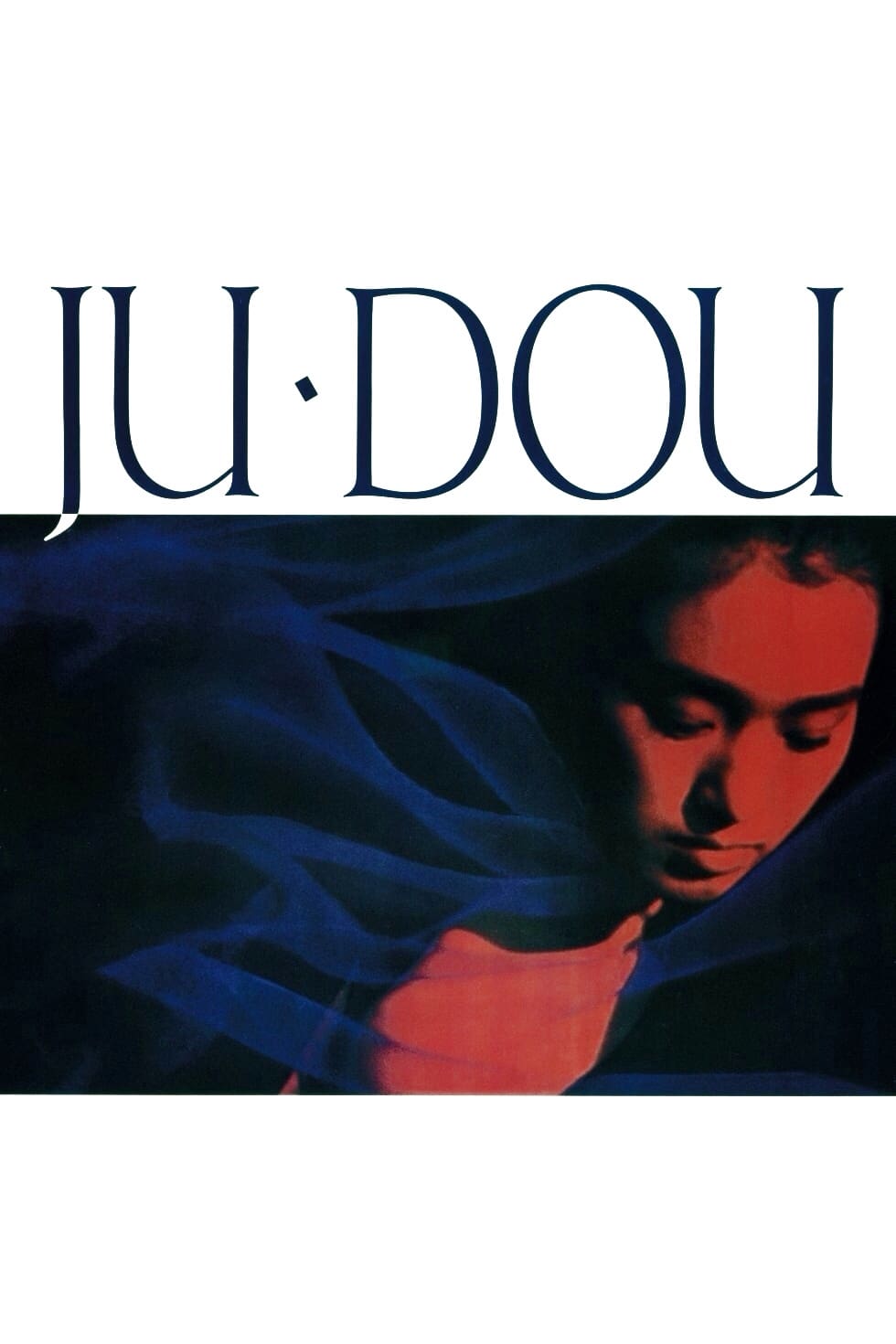
Ju Dou
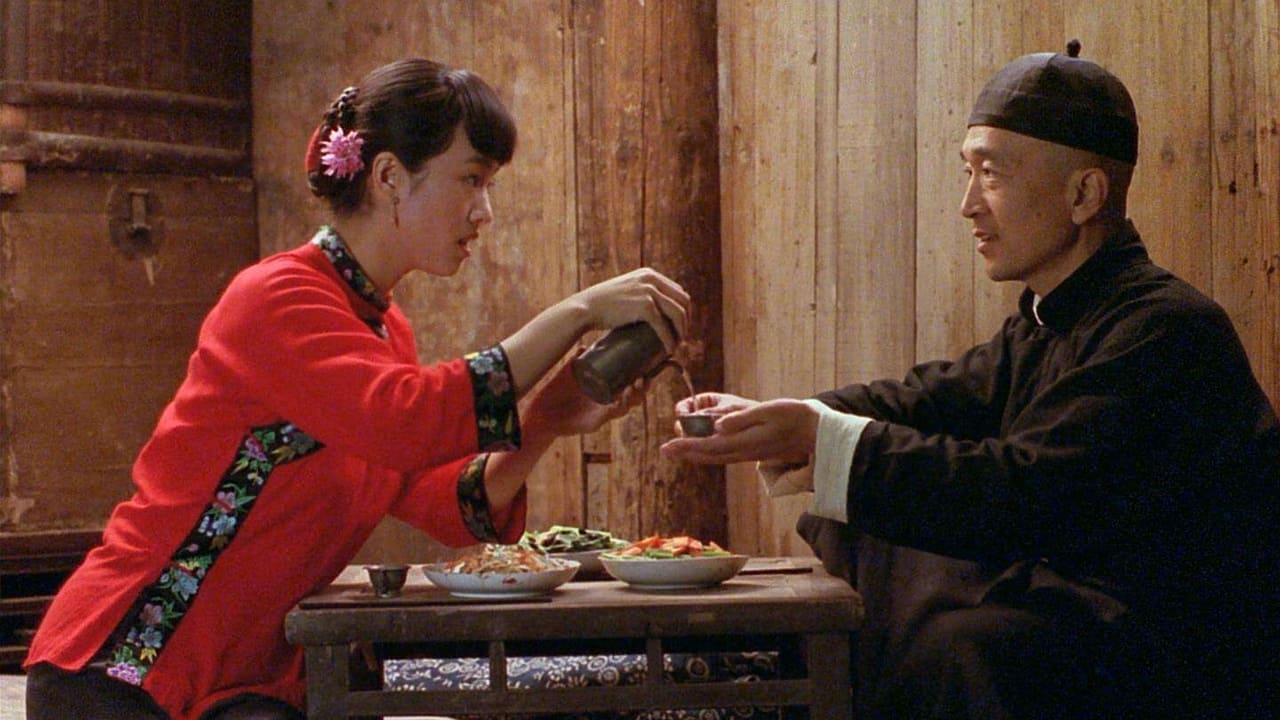
Tianqing falls in love with Ju Dou, his uncle's wife who is tortured for being childless. However, after they have an affair, they discover that his uncle is impotent and try to conceal the truth.
Insights
Plot Summary
In a rural Chinese village during the 1920s, a young woman named Ju Dou is sold into marriage to an aging, impotent innkeeper. Her life takes a tragic turn when she is forced into an affair with her husband's nephew, Tianming, to bear a child. The illicit relationship and its consequences unravel the fabric of their small community, leading to obsession, jealousy, and a devastating fire.
Critical Reception
Ju Dou was highly acclaimed by critics for its vibrant visual style, powerful performances, and unflinching exploration of passion and repression. It was recognized as a significant work of Chinese cinema, though its controversial themes led to censorship within China. Internationally, it garnered widespread praise and numerous awards.
What Reviewers Say
Praised for its stunning cinematography and bold use of color.
Lauded for Gong Li's compelling and complex portrayal of Ju Dou.
Noted for its unflinching depiction of desire, societal constraints, and tragic consequences.
Google audience: Audience reviews highlight the film's visually striking aesthetic and the emotional intensity of the performances. Many appreciate its powerful narrative and the exploration of human desire under restrictive circumstances, although some found the story's bleakness challenging.
Awards & Accolades
Nominated for the Academy Award for Best Foreign Language Film in 1992, and won the Bodil Award for Best Non-European Film in 1994. It was also nominated for the Palme d'Or at the 1990 Cannes Film Festival.
Fun Fact
The vibrant, saturated colors, particularly the pervasive use of red, were a deliberate stylistic choice by director Zhang Yimou to symbolize passion, life, and eventually, the destructive nature of unchecked desire.
AI-generated overview · Verify ratings on official sources