Movie spotlight
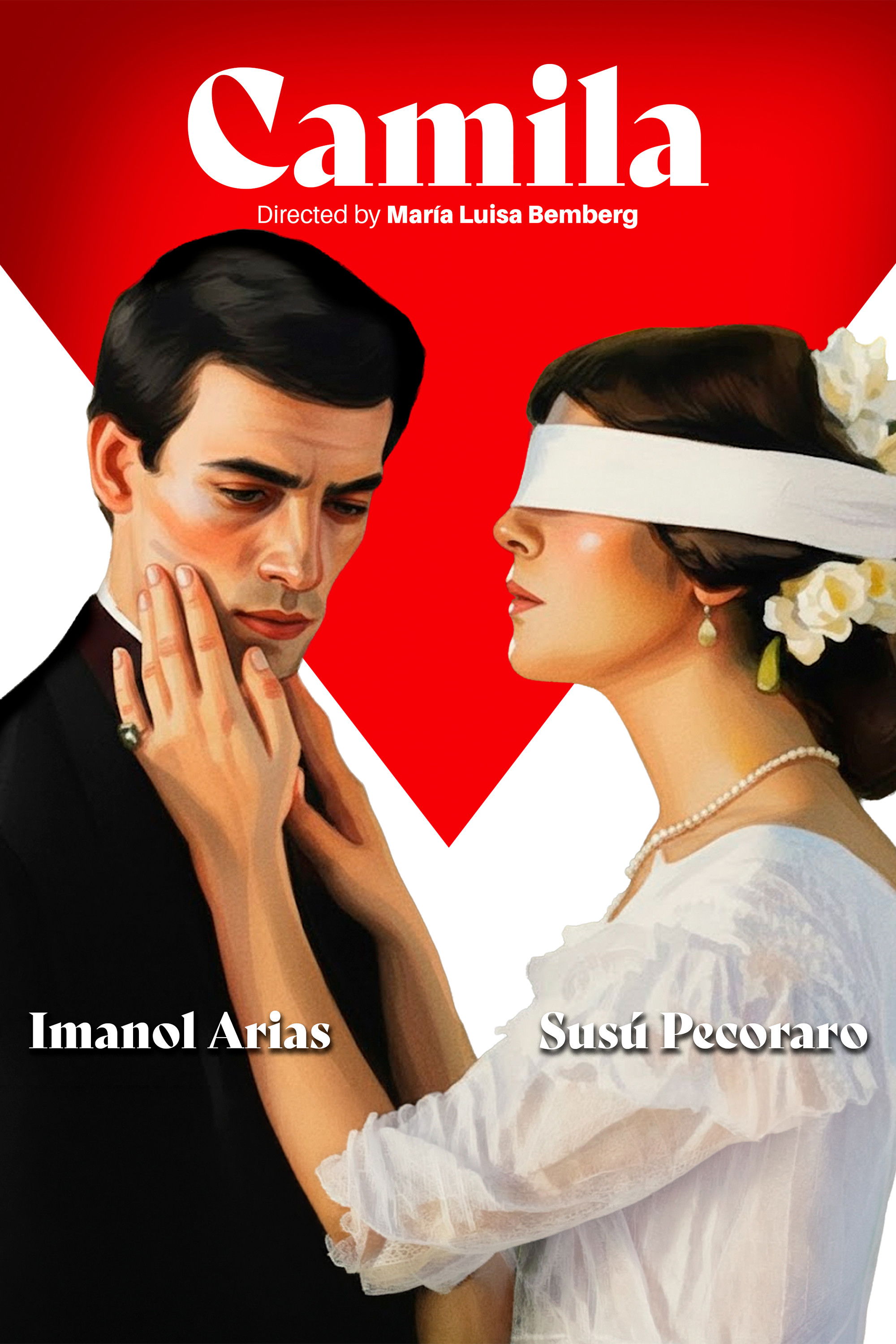
Camila
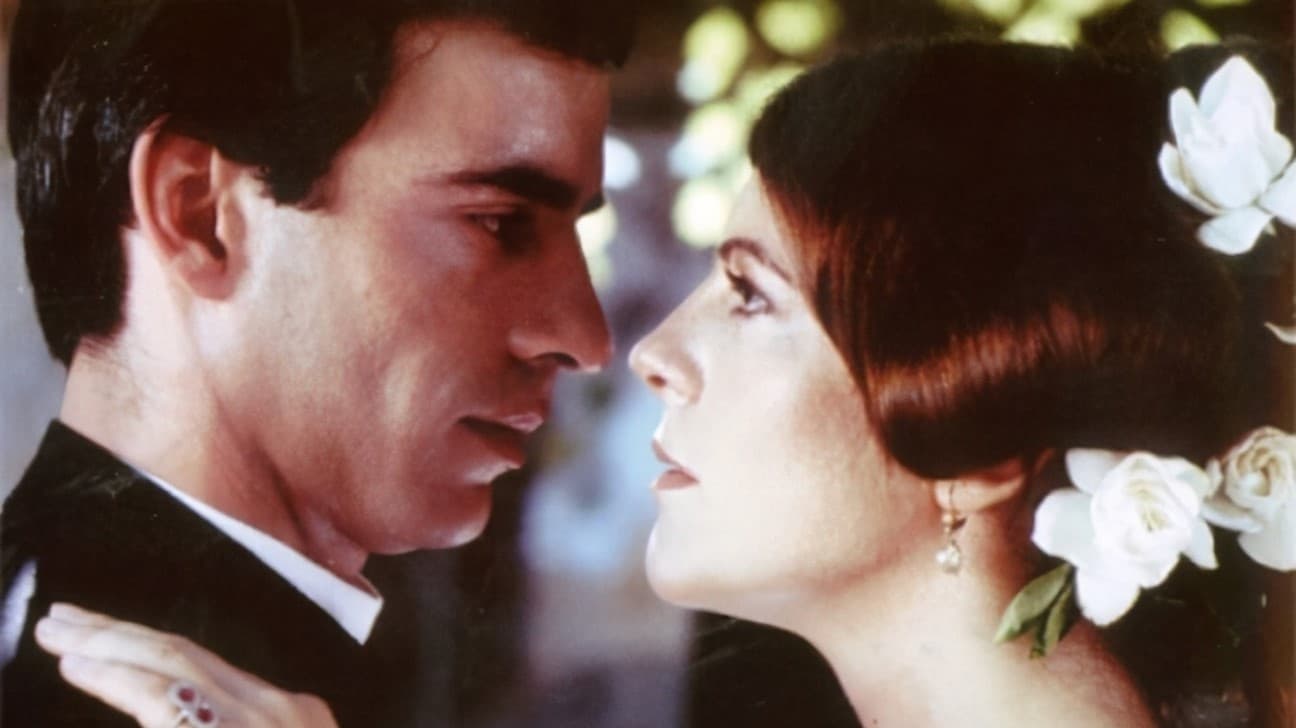
In 1847 Buenos Aires, a young noblewoman and a young Jesuit fall in love, much to the disapproval of her family and the Church.
Insights
Plot Summary
Set in Buenos Aires in the 1880s, the film tells the story of Camila O'Gorman, a young aristocratic woman who falls in love with Ladislao Gutiérrez, a Jesuit priest. Defying societal norms and the strictures of the Catholic Church, they flee together to start a new life. Their passionate and forbidden romance becomes a scandalous public sensation, ultimately leading to tragic consequences.
Critical Reception
Camila was a significant critical and commercial success, widely acclaimed for its powerful storytelling, historical accuracy, and strong performances. It resonated with audiences for its exploration of forbidden love and its critique of religious and societal hypocrisy, becoming a landmark film in Argentine cinema.
What Reviewers Say
Praised for its compelling portrayal of a forbidden romance.
Celebrated for its strong feminist undertones and critique of patriarchal structures.
Lauded for its historical setting and the performances of its lead actors.
Google audience: Audience reviews often highlight the film's moving story of love against all odds and its historical significance.
Awards & Accolades
Selected as the Argentine entry for the Best Foreign Language Film at the 57th Academy Awards and nominated for the Golden Globe Award for Best Foreign Language Film. It also won awards at the Havana Film Festival and the Montreal World Film Festival.
Fun Fact
The film was based on the true story of Camila O'Gorman and Ladislao Gutiérrez, a scandal that shocked Argentine society in the mid-19th century.
AI-generated overview · Verify ratings on official sources