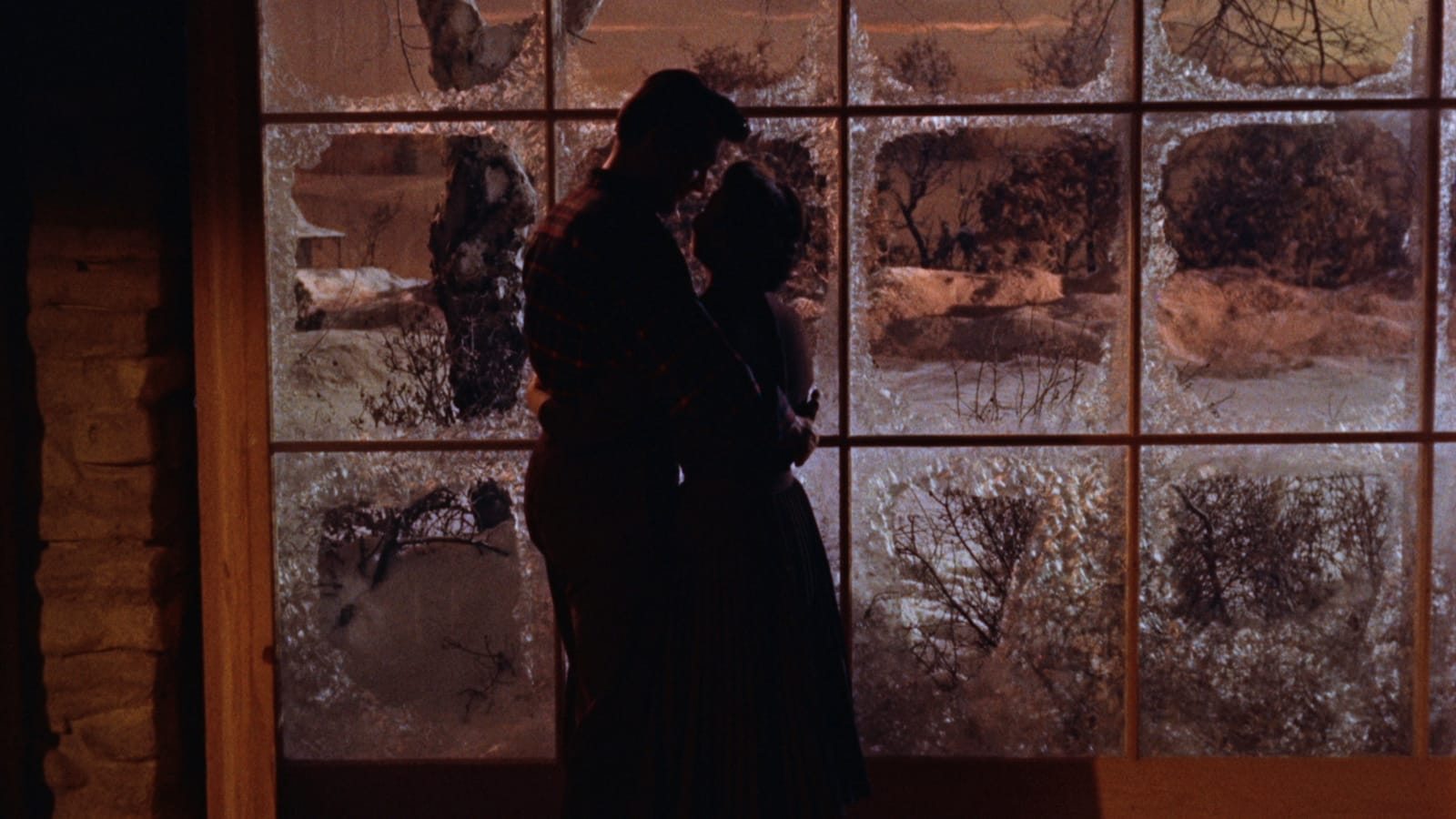

Movie spotlight
All That Heaven Allows
Two different social classes collide when Cary Scott, a wealthy upper-class widow, falls in love with her much younger and down-to-earth gardener, prompting disapproval and criticism from her children and country club friends.
Insights
Plot Summary
Cary Scott, a wealthy suburban widow, finds unexpected love with Ron Kirby, her handsome young gardener. Their blossoming romance challenges the rigid social conventions of her community and family, who disapprove of the age difference and his lower social standing. As societal pressures mount, Cary is forced to confront her own desires and the possibility of alienating her children and friends.
Critical Reception
Douglas Sirk's 'All That Heaven Allows' is widely regarded as a masterpiece of the melodrama genre and a poignant critique of 1950s American conformity. Praised for its lush visual style, emotional depth, and subversion of societal norms, the film was a critical and commercial success upon its release and has since gained significant recognition as a seminal work in film history.
What Reviewers Say
Praised for its powerful exploration of forbidden love and societal constraints.
Acclaimed for its visually stunning direction and emotional resonance.
Cited for its subtle critique of suburban conformity and gender roles.
Google audience: Viewers overwhelmingly appreciate 'All That Heaven Allows' for its compelling love story, Jane Wyman's moving performance, and its timeless themes of social pressure and personal freedom. Many highlight the film's enduring emotional impact and its critical look at societal expectations.
Fun Fact
The film's iconic visual motif of reflections in windows and mirrors was used by director Douglas Sirk to symbolize Cary Scott's trapped and observed existence within her restrictive social circle.
AI-generated overview · Verify ratings on official sources