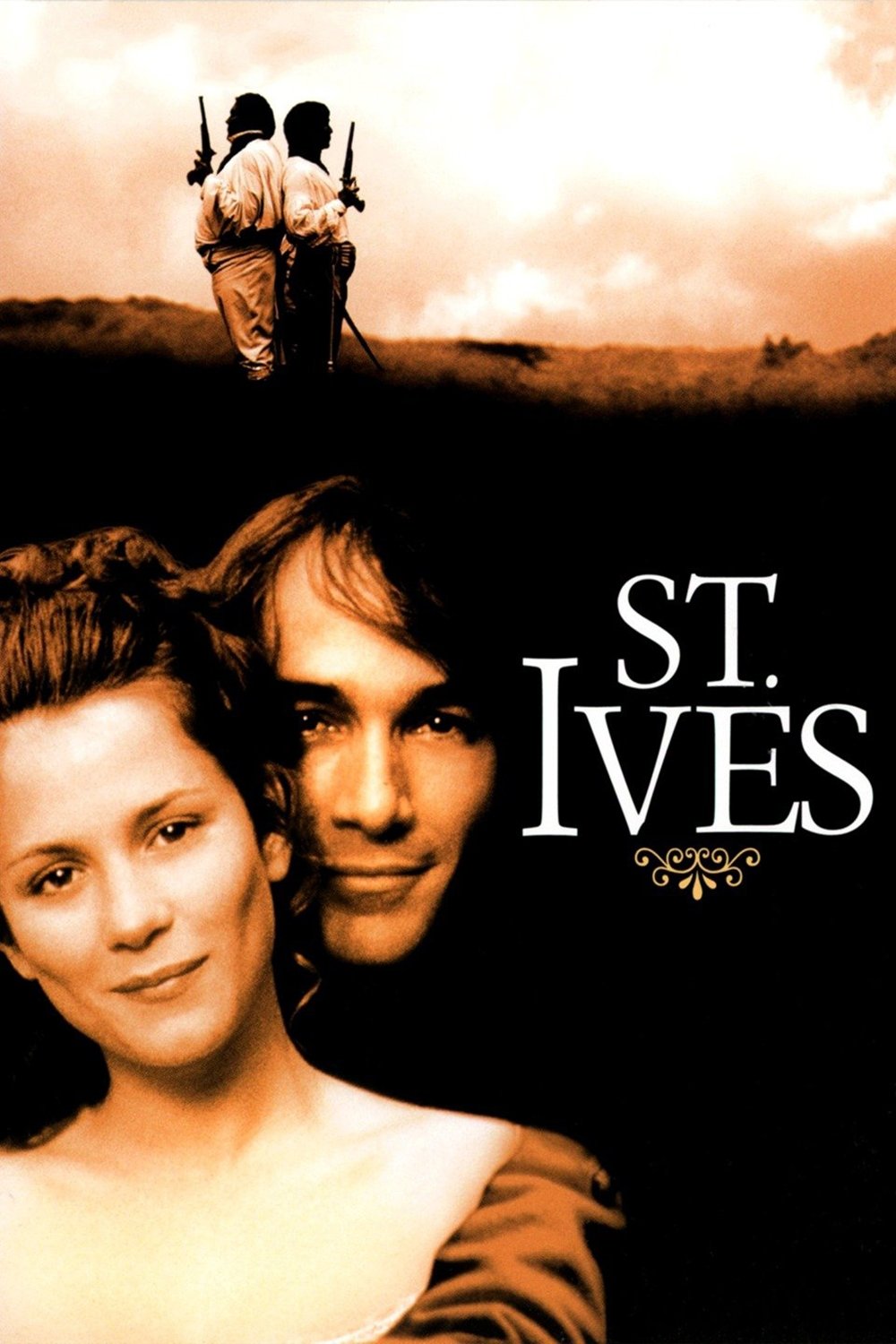

St. Ives
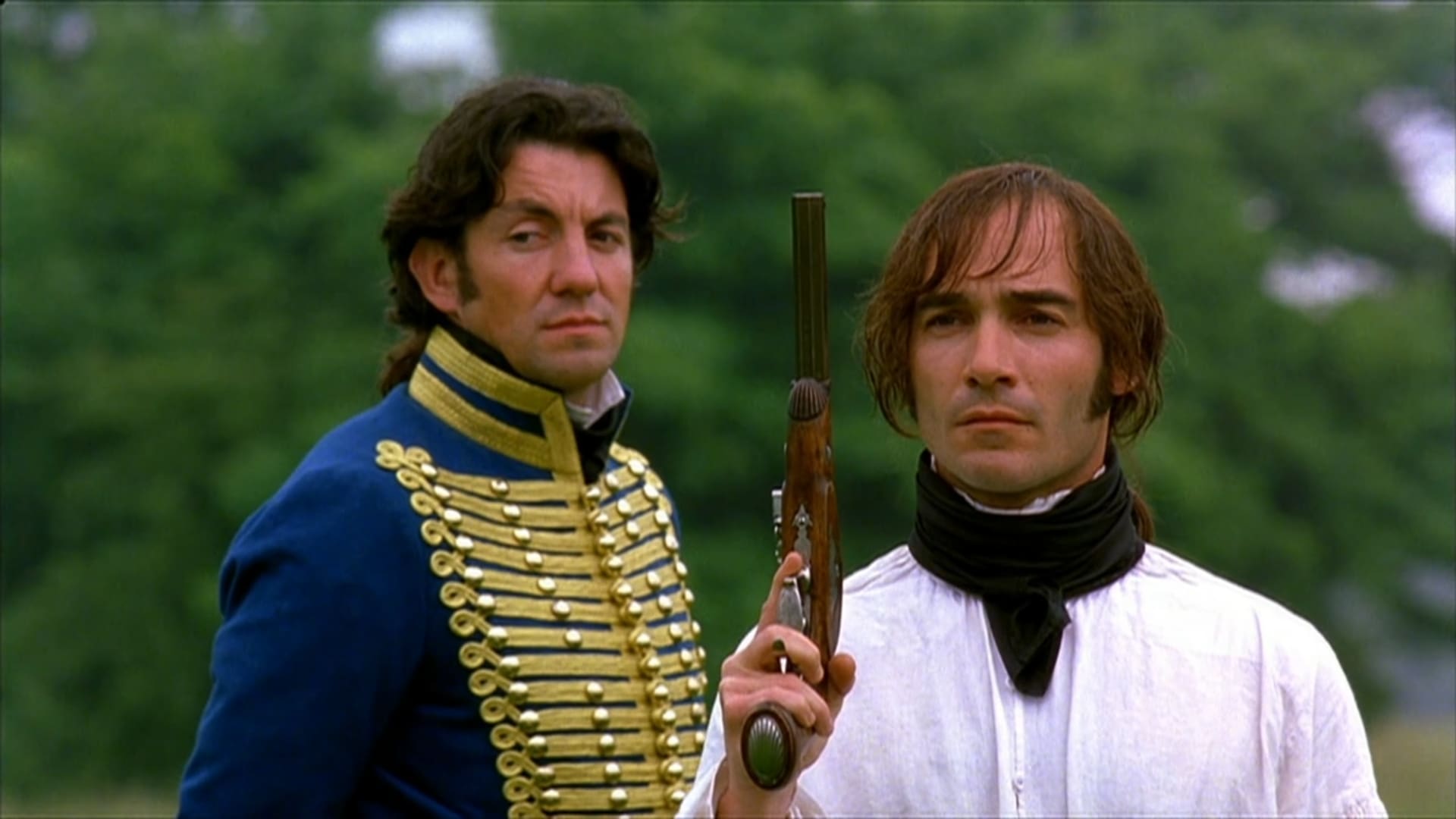
In 1813, Capitaine Jacques St. Ives, a Hussar in the Napoleonic wars, is captured and sent to a Scottish prison camp. He's a swashbuckler, so the prison's commander, Major Farquar Bolingbroke Chevening, asks for lessons in communicating with women. Both men have their eyes on the lovely Flora, who resides with her aunt, the iconoclastic and well-traveled Miss Susan Emily Gilcrist. By chance, living close to the camp is Jacques's grandfather and brother, whom Jacques believes died years before. Jacques decides to escape, find his relatives, and win the hand of Flora; Major Chevening and an unforeseen enemy stand in his way. Can Miss Gilcrist contrive to make everything work out?
Insights
Plot Summary
A young and idealistic artist, Richard, is commissioned to paint the portrait of the wealthy and enigmatic Mrs. Abel, the wife of a powerful industrialist. As Richard becomes increasingly drawn into the opulent and complex world of the Abel family, he finds himself entangled in their secrets and desires. He struggles to maintain his artistic integrity while navigating the dangerous currents of love, ambition, and betrayal.
Critical Reception
St. Ives received a mixed to positive reception, with critics praising its visual style and strong performances, particularly from Anna Friel. However, some found the plot to be somewhat predictable and the pacing uneven.
What Reviewers Say
- Praised for its atmospheric cinematography and period detail.
- Anna Friel's performance as Mrs. Abel was frequently highlighted as a standout.
- Some reviews noted a lack of narrative tension or originality in the story.
Google audience: Audience reception information for St. Ives (1998) is not widely available through Google user reviews.
Fun Fact
The film is based on the novel of the same name by Arthur Wallace, published in 1970.
AI-generated overview · Verify ratings on official sources