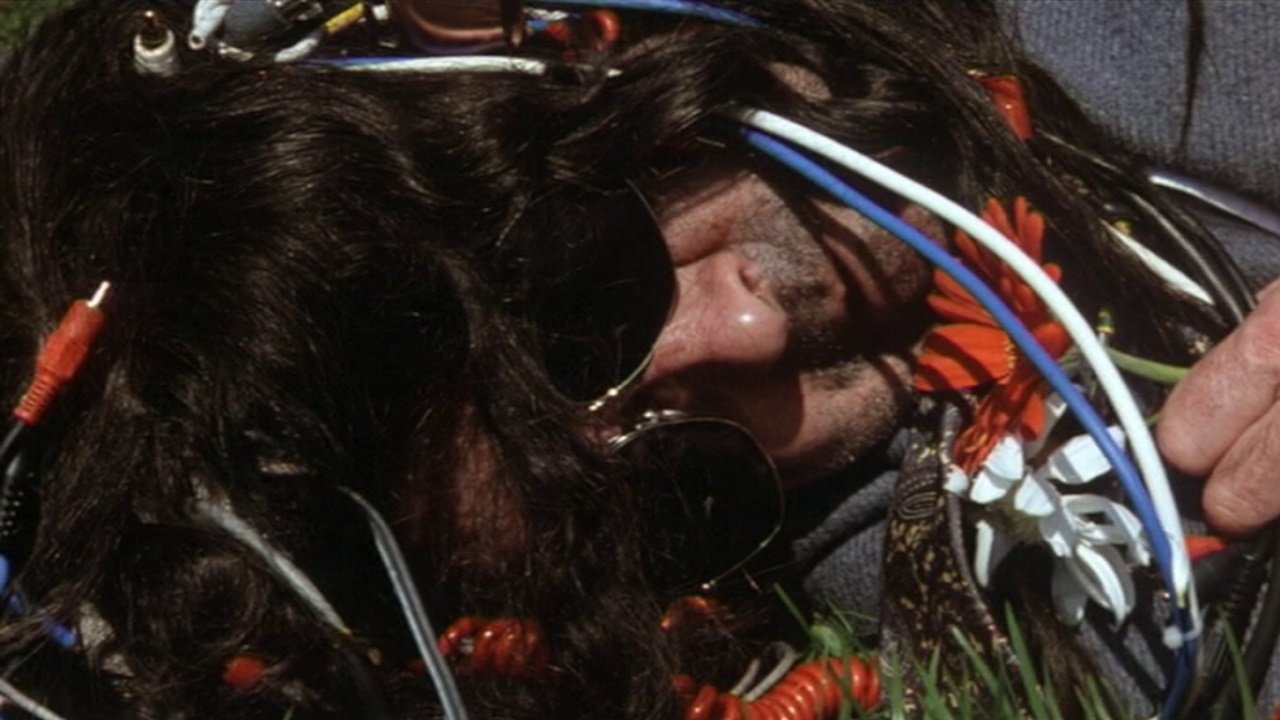

King Lear
A descendant of Shakespeare tries to restore his plays in a world rebuilding itself after the Chernobyl catastrophe obliterates most of human civilization.
Insights
Plot Summary
A contemporary reinterpretation of Shakespeare's tragedy, this film places King Lear in a fictional modern state, with his daughters vying for control amidst political and familial turmoil. The aging Lear's descent into madness is mirrored by the chaos of the world around him, exploring themes of power, betrayal, and existential despair.
Critical Reception
Jean-Luc Godard's 'King Lear' was a highly divisive film upon its release. Critics were often perplexed by its unconventional narrative structure, abstract visual style, and radical departure from the source material. While some praised its intellectual ambition and Godard's signature experimental approach, many found it inaccessible and overly challenging, leading to a polarizing reception.
What Reviewers Say
- A radical and often inscrutable adaptation that prioritizes philosophical inquiry over traditional storytelling.
- Visually striking but narratively fragmented, challenging viewers with its experimental form.
- An intellectual exercise that alienates many with its deliberate obscurity and unconventional casting.
Google audience: Audience reception for this film is largely unknown due to limited availability and distribution. Those who have engaged with it often describe it as an extremely challenging and avant-garde work that is difficult to categorize or enjoy in a conventional sense.
Fun Fact
The film famously features American director and actor Woody Allen in a bizarre cameo as 'Mr. Puzzle,' a character who interviews Lear and other figures.
AI-generated overview · Verify ratings on official sources