Movie spotlight
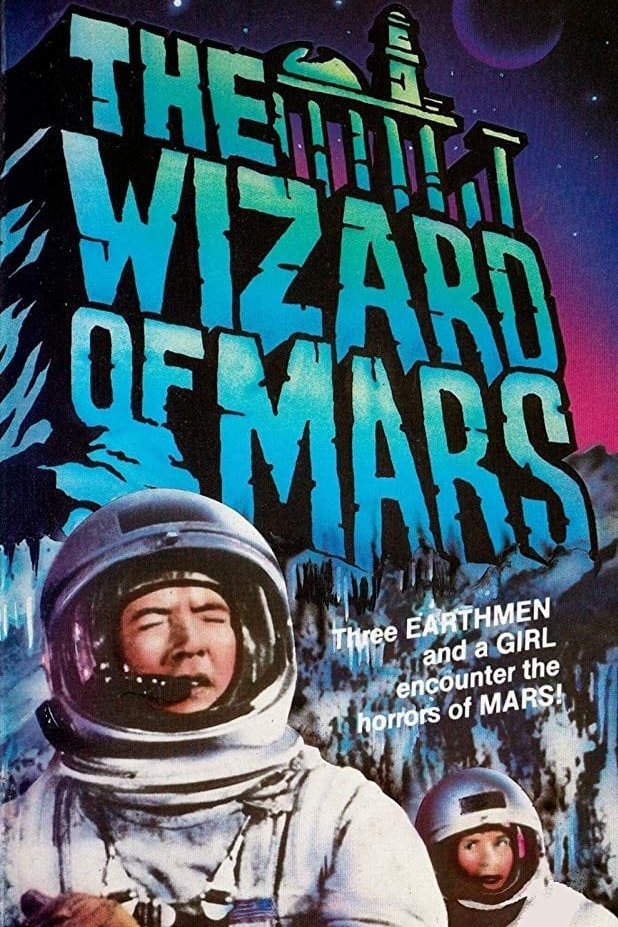
The Wizard of Mars
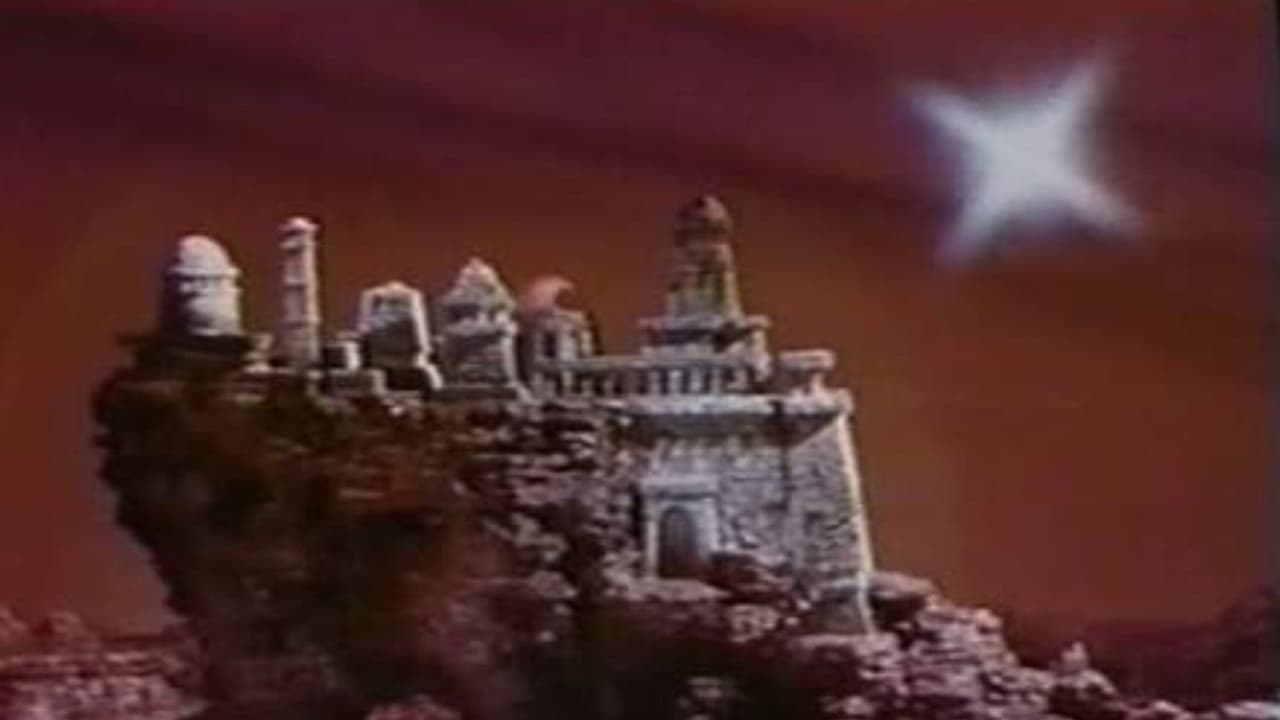
In 1974, four astronauts, silver shoe-clad Dorothy, overweight Doc, goofy Charlie, and wooden Steve, crash land on Mars when taking readings, with only four days of supplies. They must try to survive on the surface, which is barren except for some canals with huge maggots with fins. After embarking through a golden igneous cavern, braving a storm and finding an unmanned Earth vessel, they discover a golden road which leads them to the unchanging ruins of what was once a beautiful Martian city. The Martians are modeled on the Flatheads of Oz, and their collective consciousness, the "Wizard," forbids them to leave until they perform a very small task...
Insights
Plot Summary
A team of astronauts exploring Mars discovers a planet inhabited by a race of mutated humans who are ruled by a powerful, almost god-like wizard. The wizard, who can control the minds of others and alter reality, attempts to enslave the astronauts to further his own dark purposes. The astronauts must find a way to escape his mental manipulation and the dangers of the alien world.
Critical Reception
The Wizard of Mars is a low-budget science fiction film that garnered a cult following for its campy charm and imaginative, albeit primitive, special effects. While not critically acclaimed upon release, it has been appreciated by fans of B-movies and vintage sci-fi for its earnest if flawed execution.
What Reviewers Say
Praised for its ambitious concept within a limited budget.
Often cited for its unique, if dated, visual style and creature designs.
Noted for its entertaining B-movie atmosphere and retro sci-fi appeal.
Google audience: Audience reviews are scarce for this older film, but general sentiment leans towards appreciation for its cult status and nostalgic sci-fi elements, acknowledging its production limitations.
Fun Fact
The film was shot in only five days on a very small budget, utilizing limited sets and stock footage to create its Martian landscape.
AI-generated overview · Verify ratings on official sources