Movie spotlight
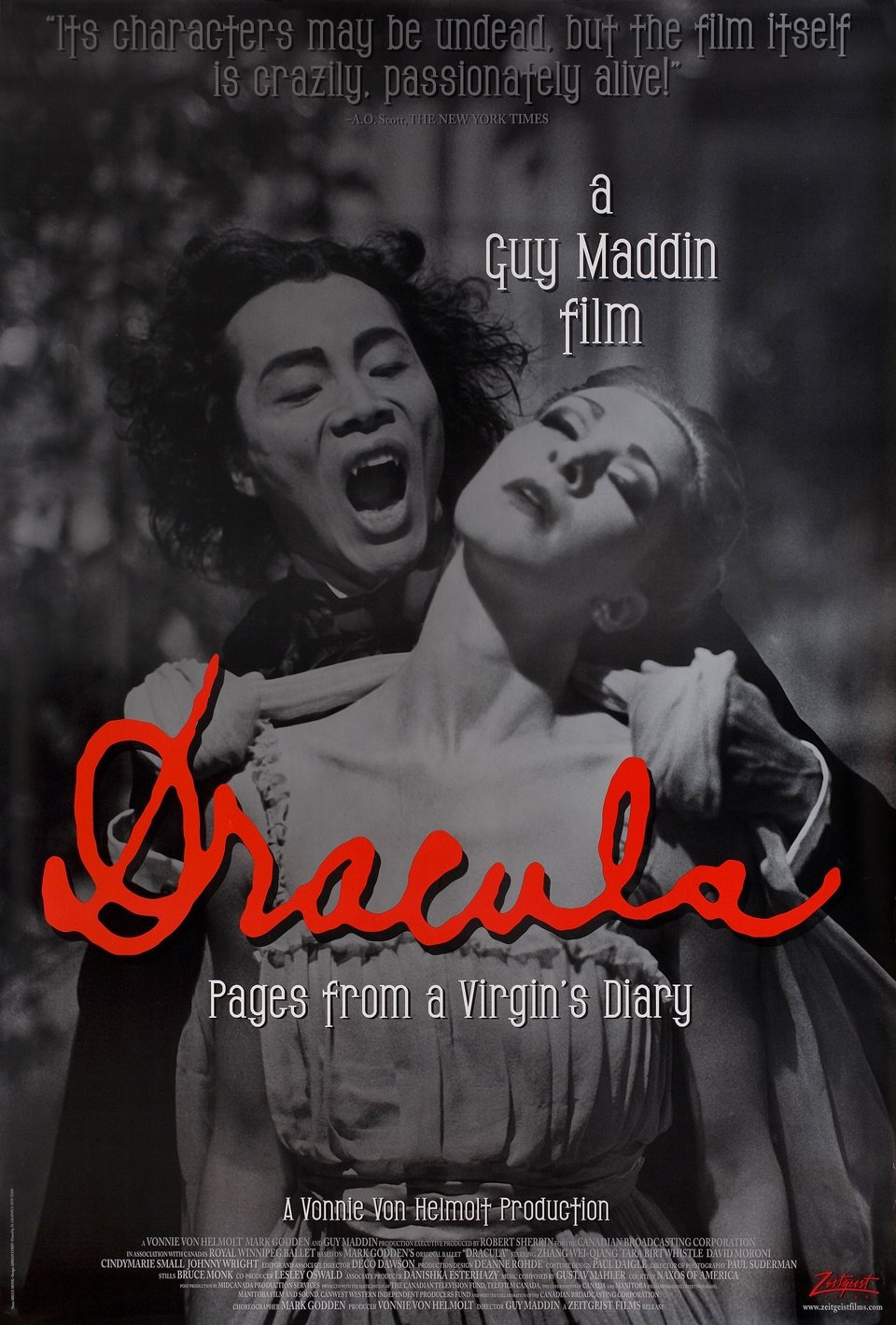
Dracula: Pages from a Virgin's Diary
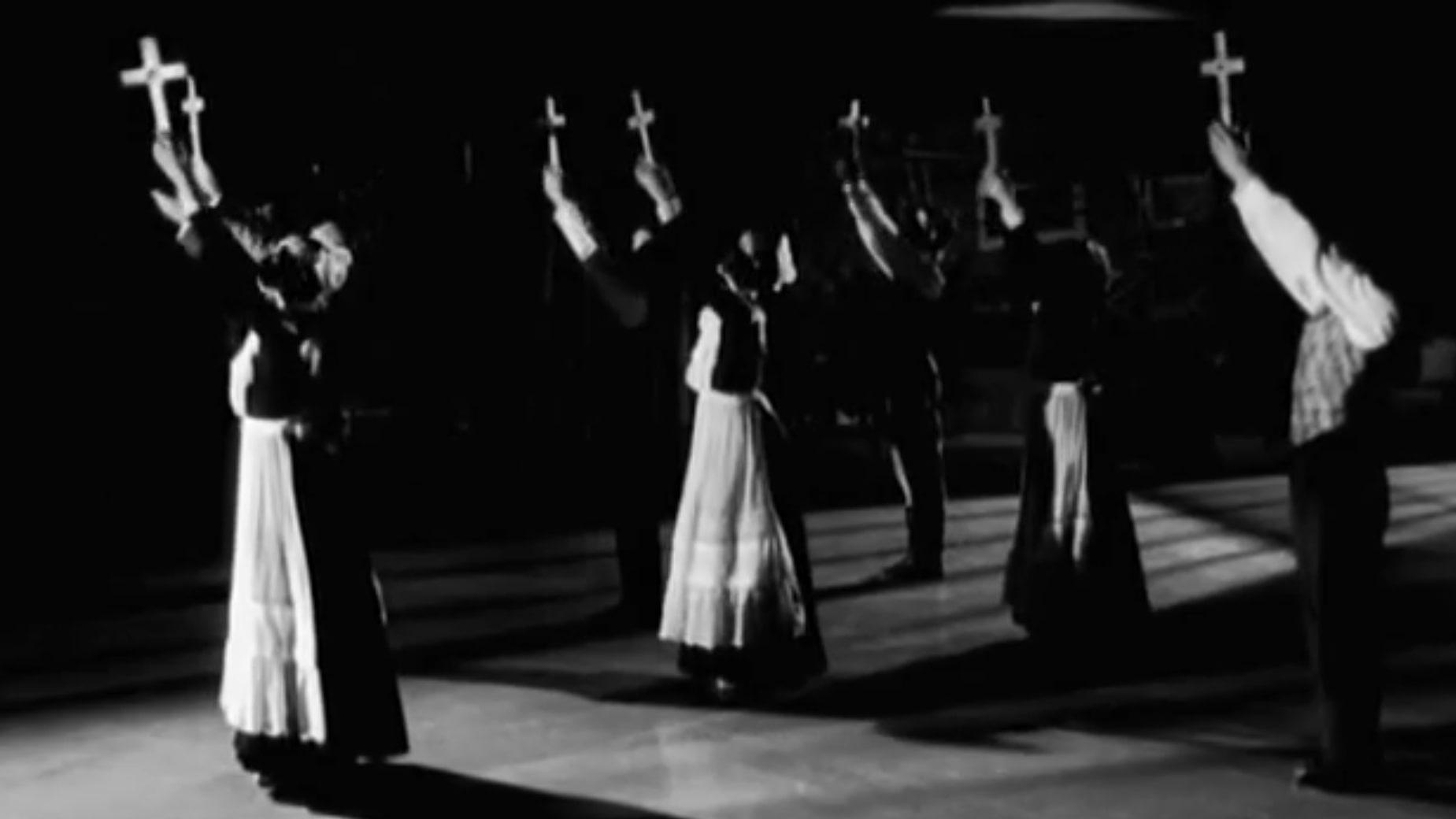
A cinematic version of the Royal Winnipeg Ballet's adaptation of Bram Stoker's gothic novel Dracula. Filmed in a style reminiscent of silent Expressionist cinema of the early 20th century (complete with intertitles and monochrome photography), it uses dance to tell the story of a sinister but intriguing immigrant who preys upon young English women.
Insights
Plot Summary
This silent film reimagines Bram Stoker's classic novel from the perspective of Lucy Westenra. It chronicles her initial enchantment with the mysterious Count Dracula, her subsequent descent into madness and physical decay, and her ultimate transformation into a vampire. The narrative focuses on her experiences and perceptions as she becomes a victim and then a perpetrator of vampirism.
Critical Reception
Dracula: Pages from a Virgin's Diary received a niche reception, largely appreciated by fans of experimental and silent cinema. Critics noted its artistic ambition and visual style, though its unconventional approach and lack of dialogue were points of discussion. Audience reception was similarly divided, with some finding it a unique and captivating interpretation and others finding it slow or inaccessible.
What Reviewers Say
Praised for its striking visual style and unique silent film approach.
Often noted for its experimental and artistic interpretation of the Dracula mythos.
Some found its lack of dialogue and deliberate pacing to be challenging.
Google audience: Information on Google user reviews and specific likes/dislikes for this film is not readily available.
Fun Fact
As a modern silent film, 'Dracula: Pages from a Virgin's Diary' utilizes intertitles and expressive acting to convey its narrative, eschewing spoken dialogue entirely.
AI-generated overview · Verify ratings on official sources