Movie spotlight
Fata Morgana
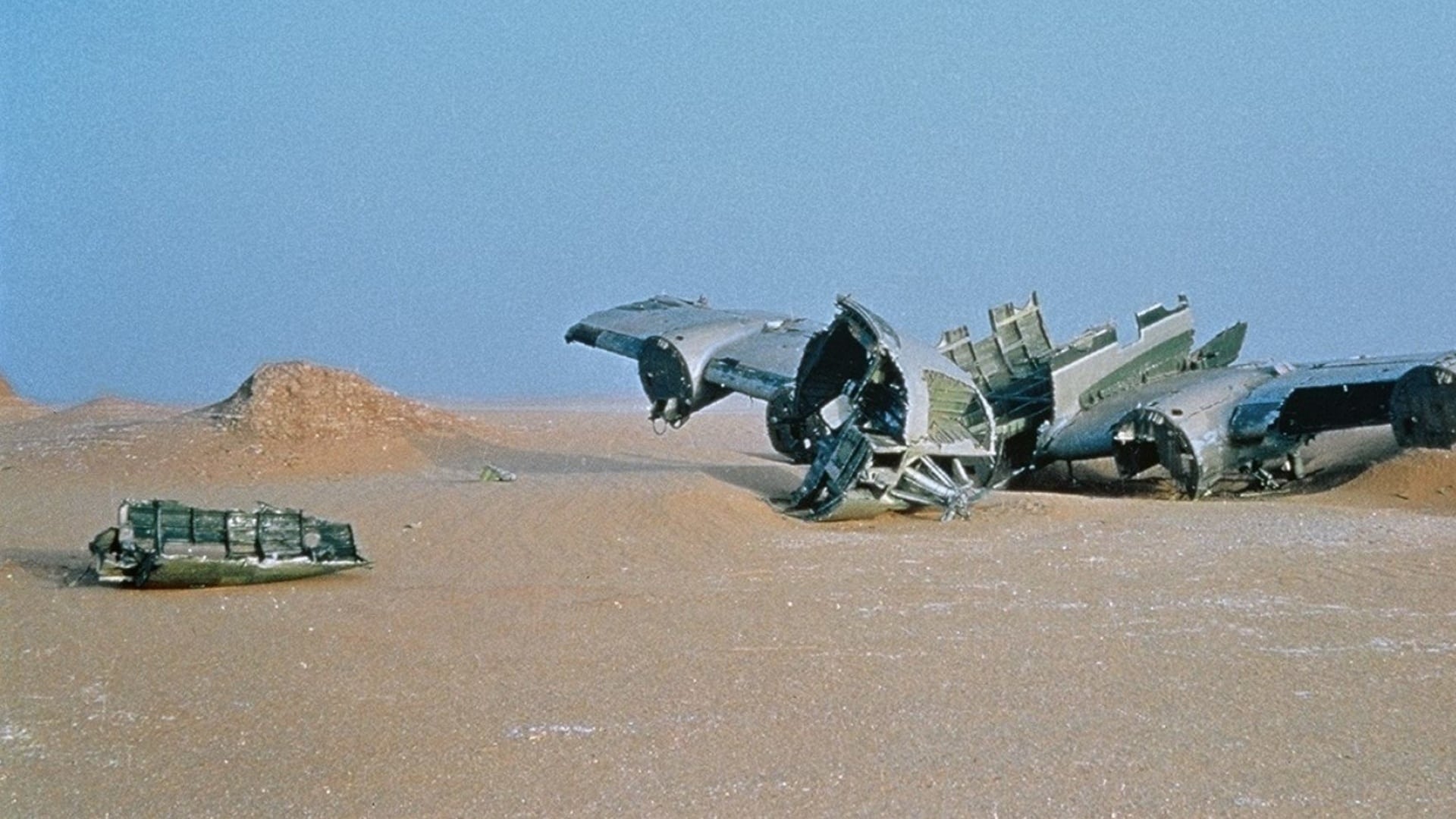
Shot under extreme conditions and inspired by Mayan creation theory, the film contemplates the illusion of reality and the possibility of capturing for the camera something which is not there. It is about the mirages of nature—and the nature of mirage.
Insights
Plot Summary
Werner Herzog's Fata Morgana is an experimental documentary that presents a stark and surreal vision of the African desert. The film captures the desolate landscape and its inhabitants, juxtaposing images of nature's desolation with the ruins of human civilization. Through evocative imagery and a dreamlike narrative, Herzog explores themes of creation, destruction, and the ambiguous nature of reality.
Critical Reception
Fata Morgana is a highly regarded, albeit niche, film within Werner Herzog's oeuvre, often praised for its unique visual style and philosophical depth. While not a mainstream success, it has garnered a cult following among cinephiles and admirers of avant-garde cinema. Critics often point to its haunting beauty and its power to evoke a profound sense of existential contemplation.
What Reviewers Say
Praised for its striking, often bleak cinematography of the desert landscape.
Recognized for its experimental and non-linear approach to documentary filmmaking.
Appreciated for its philosophical and existential themes, though some find it overly abstract.
Google audience: Audience reception on Google is not readily available for this experimental film.
Fun Fact
Werner Herzog filmed Fata Morgana during a period when he was working on 'Aguirre, the Wrath of God', and the harsh desert conditions in Fata Morgana reportedly influenced his experiences on the latter film.
AI-generated overview · Verify ratings on official sources