Movie spotlight
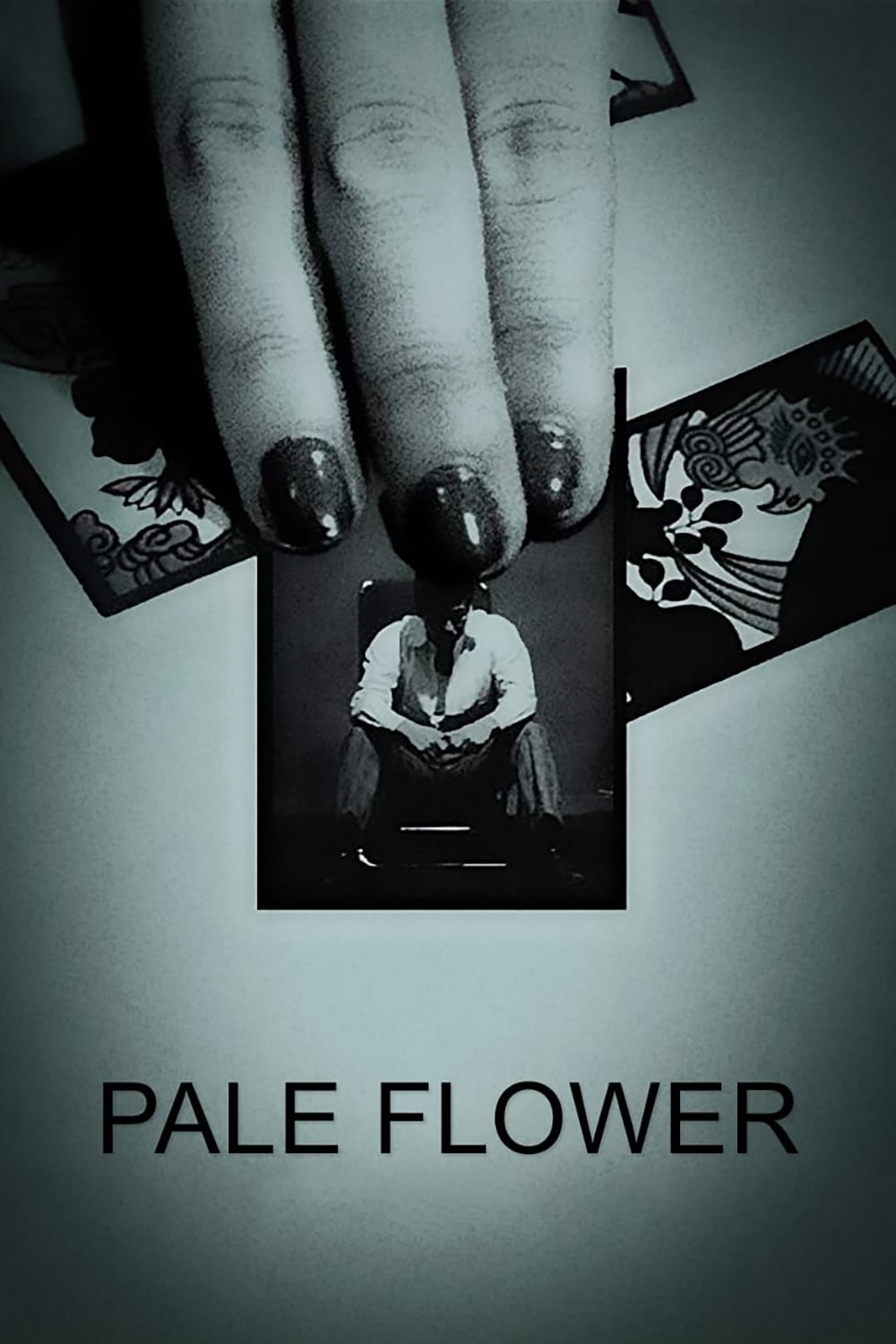
Pale Flower
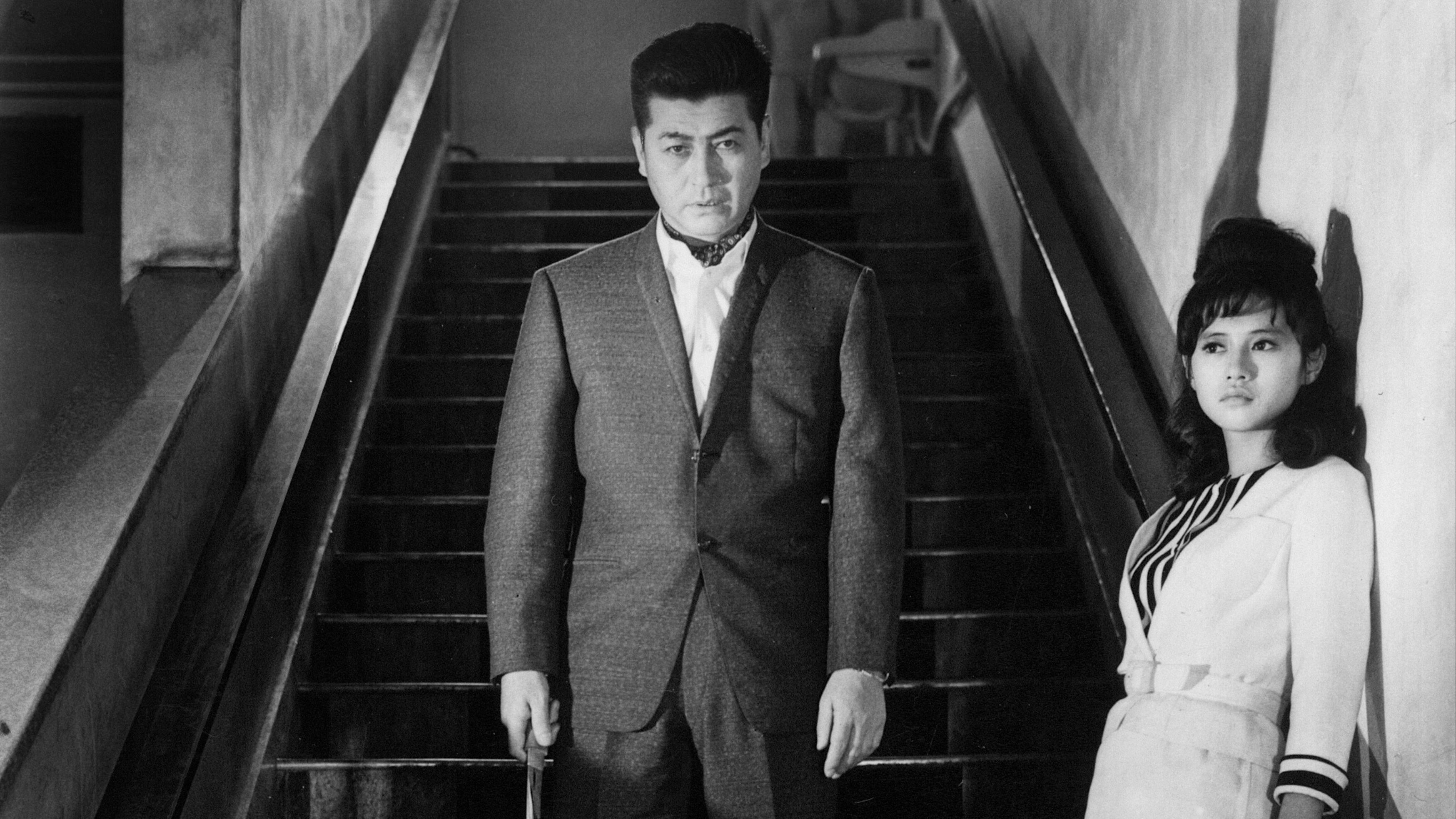
A gangster gets released from prison and has to cope with the recent shifts of power between the gangs, while taking care of a thrill-seeking young woman, who got in bad company while gambling.
Insights
Plot Summary
A drifting salaryman becomes involved with a mysterious woman who frequents an underground gambling club. As their relationship deepens, he finds himself drawn into a world of high stakes and dangerous liaisons. The film explores themes of alienation, existential dread, and the allure of self-destruction within the neon-lit underworld of Tokyo.
Critical Reception
Pale Flower is a stylish and atmospheric neo-noir that garnered critical acclaim for its moody cinematography, existential themes, and sharp performances. It is often lauded as a key film of the Japanese New Wave, praised for its innovative visual language and exploration of societal malaise.
What Reviewers Say
Praised for its striking visual style and hypnotic atmosphere.
Lauded for its exploration of alienation and the darker aspects of human nature.
Considered a significant work of Japanese cinema and the New Wave movement.
Google audience: Audiences generally praise 'Pale Flower' for its visually stunning cinematography and its ability to create a deeply immersive and unsettling atmosphere. Many appreciate the film's thought-provoking narrative and its stylish depiction of a dangerous underworld, though some find the pacing deliberately slow.
Awards & Accolades
Nominated for the Palme d'Or at the 1965 Cannes Film Festival.
Fun Fact
The film's distinctive visual style, particularly its use of stark black and white imagery and sharp contrasts, was heavily influenced by the aesthetic of film noir and German Expressionism.
AI-generated overview · Verify ratings on official sources