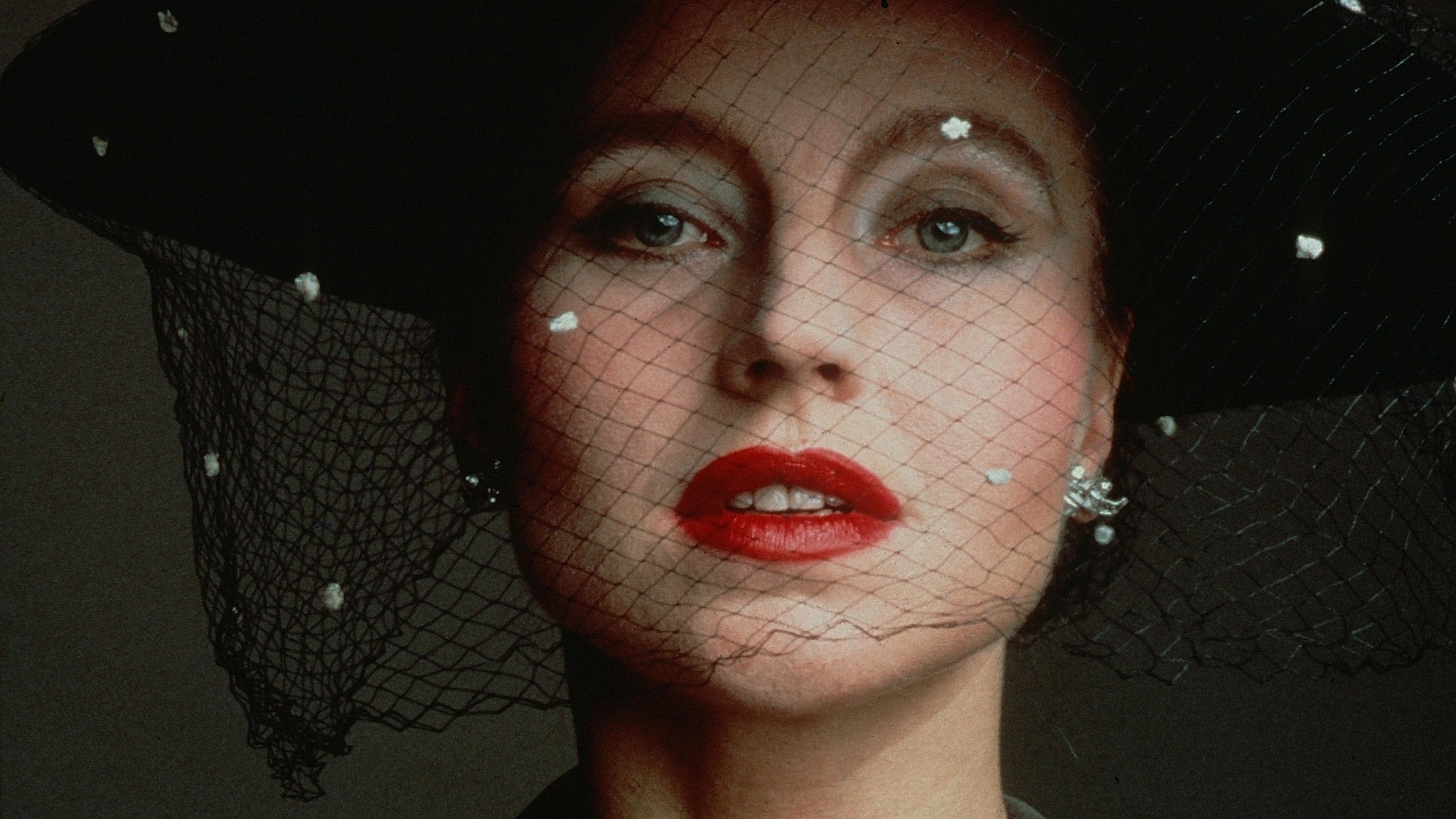
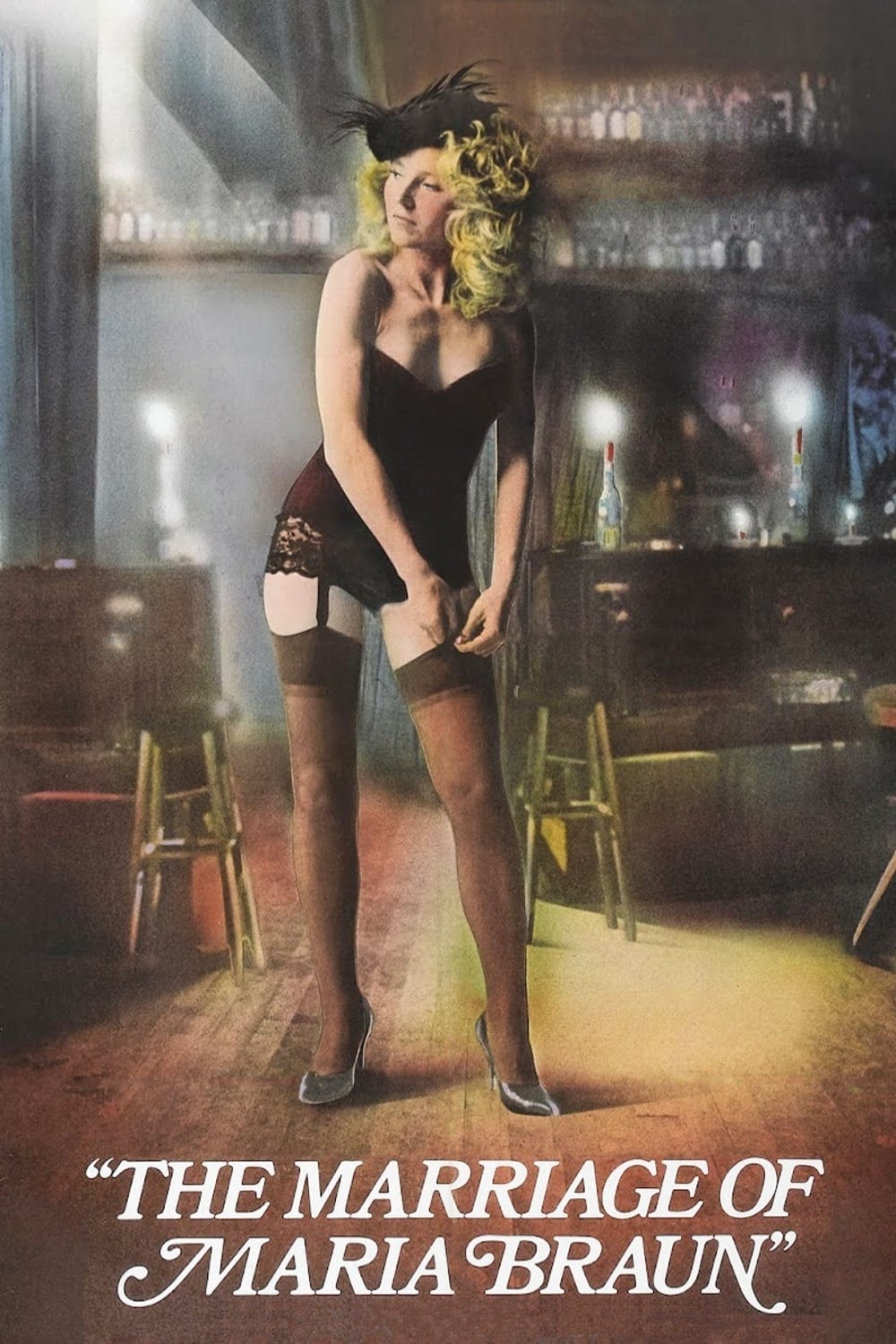


The Marriage of Maria Braun
Maria marries a young soldier in the last days of World War II, only for him to go missing in the war. She must rely on her beauty and ambition to navigate the difficult post-war years alone.
Insights
Plot Summary
In post-WWII Germany, Maria Braun navigates a harsh reality where her husband, Hermann, is presumed dead. She secures a comfortable life by becoming the mistress of a wealthy American soldier, while secretly awaiting Hermann's return. When Hermann reappears, Maria must make a series of difficult choices to maintain her precarious existence and protect her secrets.
Critical Reception
The Marriage of Maria Braun is widely considered a masterpiece of New German Cinema and one of Fassbinder's most significant works. Critics lauded its powerful portrayal of a woman's resilience and ambition in the face of post-war societal constraints and economic hardship. The film was a critical and commercial success, earning numerous accolades.
What Reviewers Say
- Hanna Schygulla delivers a tour-de-force performance as the enigmatic Maria Braun.
- Fassbinder masterfully critiques post-war German society and the lingering effects of Nazism through Maria's story.
- The film is praised for its compelling narrative, striking visual style, and complex character development.
Google audience: Viewers admire the film's powerful and complex portrayal of a woman striving for survival and independence in a challenging post-war environment. Many highlight Hanna Schygulla's exceptional performance and Fassbinder's sharp social commentary.
Awards & Accolades
Won the Golden Globe Award for Best Foreign-Language Film. Hanna Schygulla won the Silver Bear for Best Actress at the Berlin International Film Festival.
Fun Fact
The film's striking black-and-white cinematography was a deliberate choice by Fassbinder to evoke the look of German films from the 1940s, further immersing the audience in the post-war era.
AI-generated overview · Verify ratings on official sources
My Review
TMDB Reviews
1 reviews