
Movie spotlight
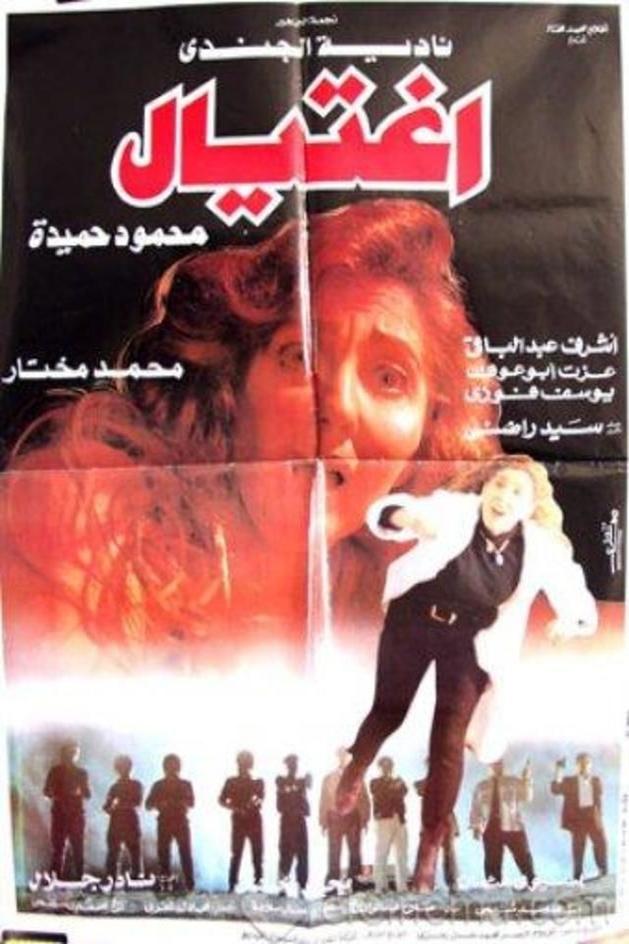
Assassination
Instead of celebrating her doctorate in pharmacy, Nada was surprised that she was accused of killing her professor before he revealed her to a dangerous secret, and indeed the police chase her to arrest her after escaping from the prison vehicle that overturned during her deportation, and at that time she tries to prove her innocence of killing her professor. See I succeed in that?
Insights
Plot Summary
Set in 1960s South Korea, this film delves into the turbulent political climate and the assassination of a powerful figure. It explores the complex relationships and motivations of those involved in the conspiracy, revealing the personal stakes and societal pressures that led to the tragic event. The narrative unfolds against a backdrop of political intrigue and moral ambiguity, questioning the nature of power and loyalty.
Critical Reception
Assassination received mixed to positive reviews, with many critics praising its ambitious scope and historical context, while some found its pacing and narrative structure uneven. It was noted for its detailed portrayal of a significant moment in South Korean history and the performances of its lead actors. The film sparked discussions about political corruption and the consequences of authoritarianism.
What Reviewers Say
Praised for its historical relevance and exploration of political themes.
Noted for strong performances, particularly from the lead actors.
Some critics found the narrative structure and pacing to be inconsistent.
Google audience: Information on Google user reviews for this film is not readily available.
Fun Fact
The film was released in South Korea on the 36th anniversary of the actual assassination it depicts, adding a layer of historical resonance to its release.
AI-generated overview · Verify ratings on official sources