Movie spotlight
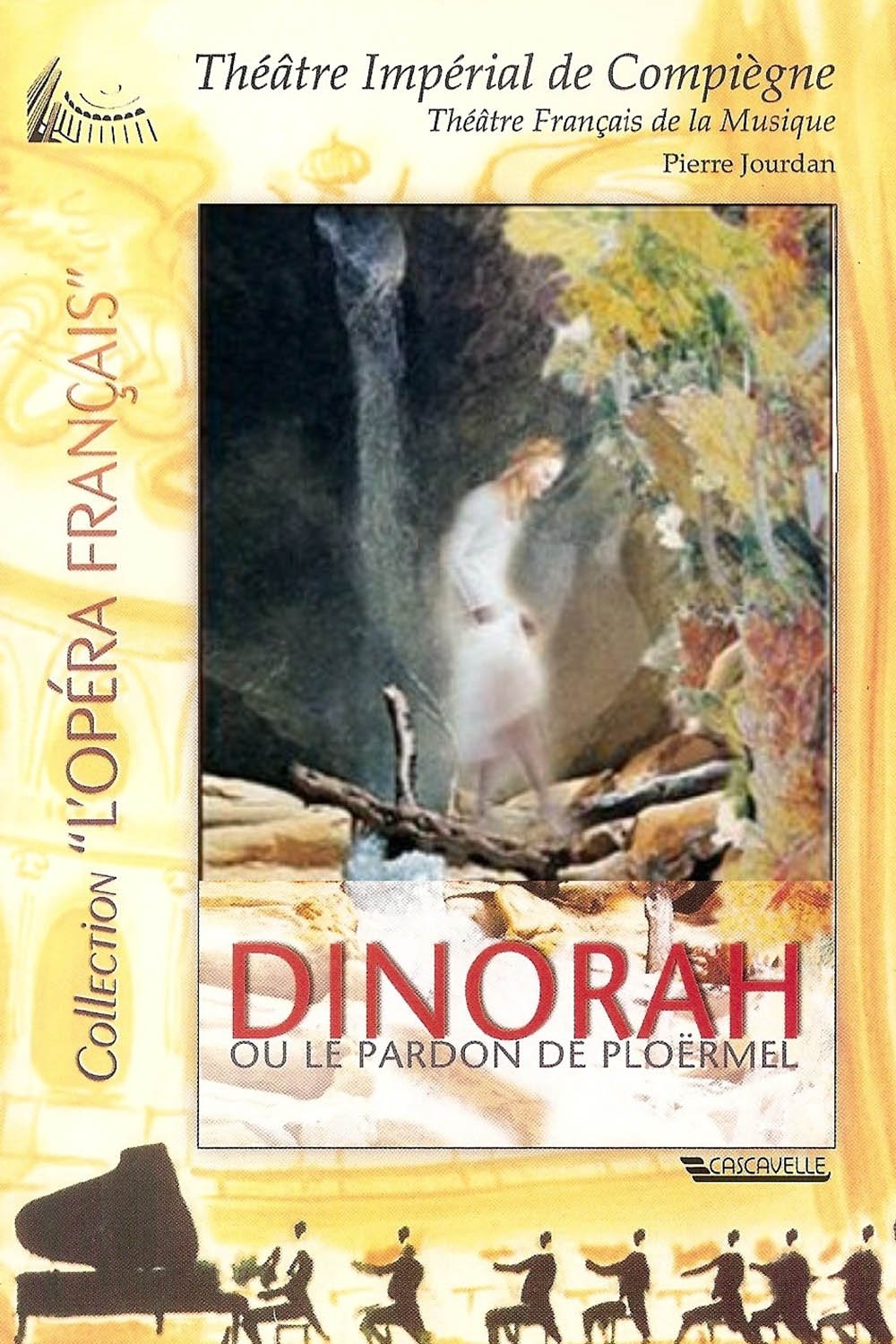
Dinorah, or The Pardon of Ploërmel
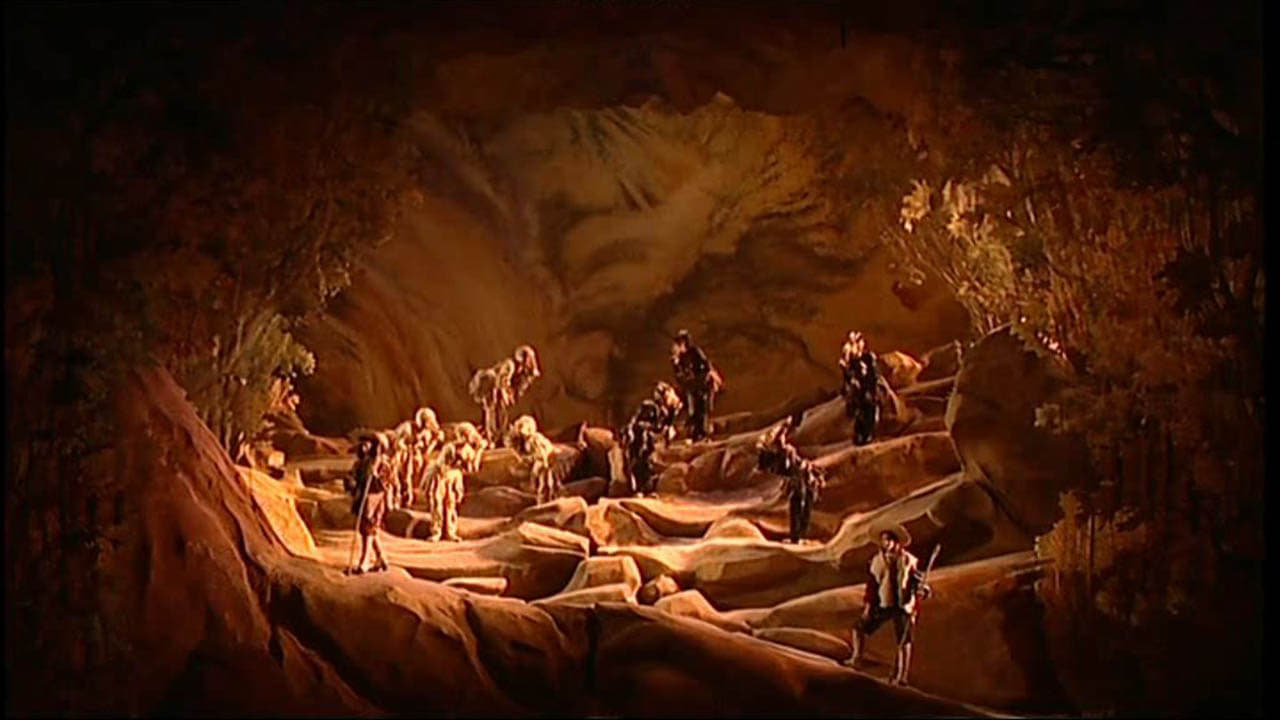
Giacomo Meyerbeer's pastoral opera,based on a Breton tale, is the tale of DINORAH who has gone mad because her bridegroom Hoël has disappeared during their wedding. This production, performed as part of Théâtre Impérial de Compiegne's purpose of reviving obscure French opera, is the only version of 'Dinorah' available on DVD, but it is a great production! The painterly pastoral settings and décor and rustic costumes are very easy on the eye. Opera traditionalists who dislike modern stagings will be delighted to know that this is a traditional production. Pierre Jourdan's stage direction is charming and always involving, never once falling into static movements or gestures, gratuitous distaste and irrelevance. With Isabelle Philippe, Armand Arapian and Frédéric Mazzotta. Conducted by Olivier Opebeek.
Insights
Plot Summary
The opera tells the story of Dinorah, a shepherdess who believes her lover Hoël has been killed by lightning. She ventures into the mountains to seek a magical pardon from a local saint, hoping to be reunited with him in the afterlife. However, Hoël is actually alive and searching for her, having been warned of her dangerous quest. The story culminates in a reunion, with Dinorah's belief in the supernatural providing a unique backdrop to their love story.
Critical Reception
This production of Meyerbeer's "Dinorah" was generally well-received for its charming and whimsical nature, often highlighting its revival of a lesser-known work. Critics appreciated the vocal performances and the lighthearted, pastoral atmosphere, though some found the plot itself to be somewhat slight. It was seen as a successful exploration of a composer's less frequently performed repertoire.
What Reviewers Say
Praised for its revival of a charming, albeit somewhat quaint, opera.
Vocal performances, particularly the lead, were a significant highlight.
Acknowledged for its pastoral beauty and lighthearted pastoral themes.
Google audience: Information on specific Google user reviews for this particular 2002 production is not widely available. However, general audience reception for operas like 'Dinorah' often focuses on the beauty of the music and the singers' vocal prowess.
Fun Fact
Giacomo Meyerbeer's "Dinorah" is perhaps best known for its famous "Shadow Song" (Ombre légère), which requires the soprano to appear to be casting no shadow, a feat achieved through clever stage lighting and acting.
AI-generated overview · Verify ratings on official sources