Movie spotlight
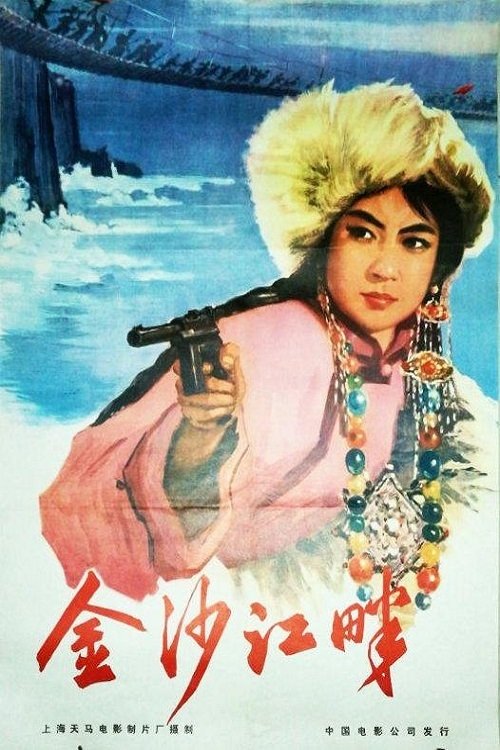
Along The Jinsha River
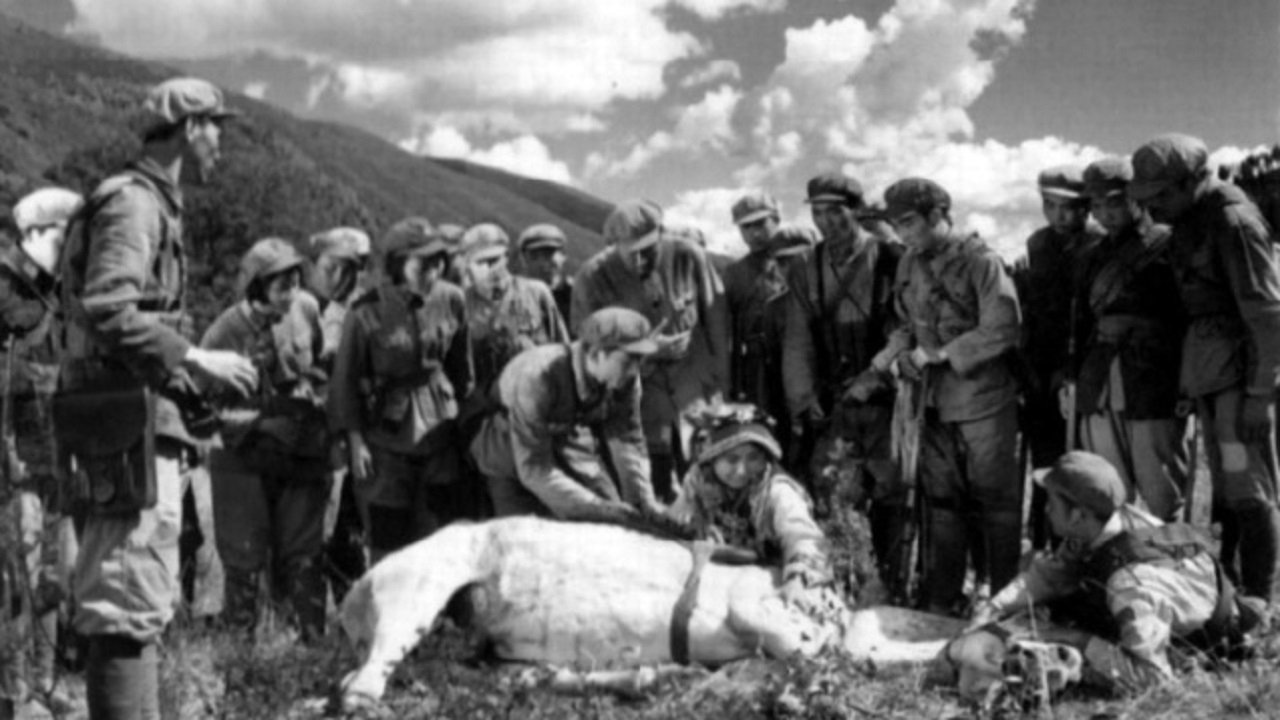
In 1936, the Long March of the Red Army passed through the Tibetan area by the Jinsha River. The Kuomintang colluded with the great local tyrant Qiu Wanli in an attempt to prevent the Red Army from crossing the river north. Qiu Wanli asks his minions to pretend to be the Red Army and rob the chieftain Sangge's only daughter Zhuma to provoke the relationship between the chieftain and the Red Army. The Red Army adhered to the party's ethnic policy, rescued Zhuma, and crossed the Jinsha River to the border of Tibetan areas. Qiu again sneaked into the Tibetan area. He said that Zhuma had been killed by the Red Army and provided ammunition and weapons for the chieftain to fight the Red Army. In order to expose the enemy's rumors, the Red Army instructor Jin Ming took a squad to escort Zhuma home.
Insights
Plot Summary
Set during the Chinese Civil War, the film tells the story of the Red Army's arduous journey across the Jinsha River. Faced with overwhelming Nationalist forces and treacherous terrain, the soldiers, led by Captain Li, must find a way to cross the river to continue their revolutionary mission. The narrative highlights their bravery, resourcefulness, and the sacrifices made in the face of adversity.
Critical Reception
Along the Jinsha River is a seminal work of Chinese revolutionary cinema, widely praised for its patriotic themes and depiction of heroic struggle. It is considered a classic propaganda film that effectively conveys the Red Army's resilience and determination during a critical period in Chinese history. While its artistic merits are often viewed through the lens of its political context, it remains an important film for understanding Chinese cinema of the era.
What Reviewers Say
Praised for its portrayal of revolutionary heroism and sacrifice.
Seen as an important example of Chinese propaganda filmmaking.
Commended for its depiction of the arduous journey and the Red Army's determination.
Google audience: Audience reviews are scarce for this historical film, but it is generally recognized within historical and cinematic circles as a significant piece of Chinese revolutionary cinema that embodies themes of bravery and perseverance.
Fun Fact
The film was produced by the August First Film Studio, the main film production unit of the People's Liberation Army of China, and is considered one of its most iconic works from the 1960s.
AI-generated overview · Verify ratings on official sources