Movie spotlight
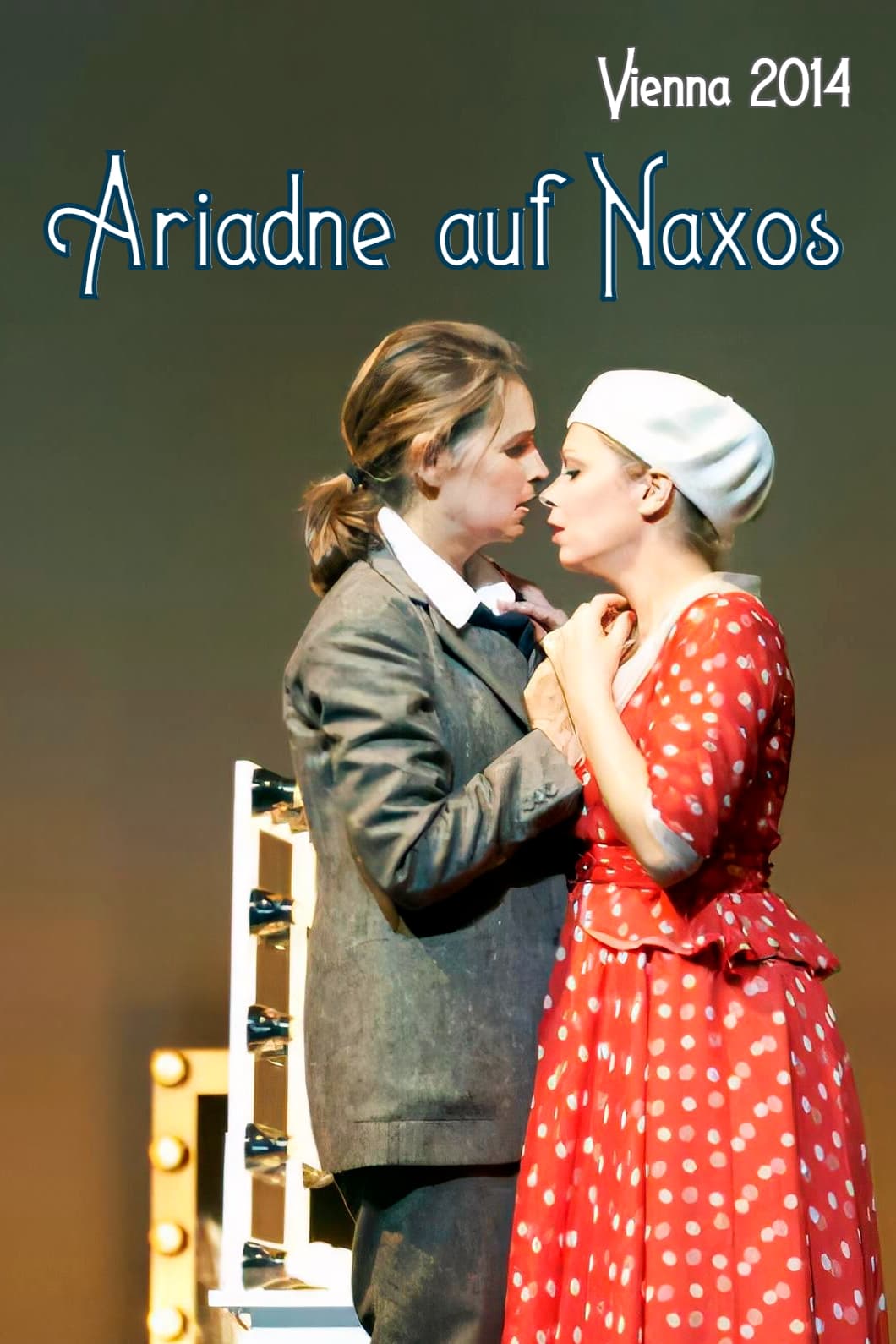
Strauss: Ariadne auf Naxos (Wiener Staatsoper Live)
A performance of Strauss' opera performed/streamed in Vienna on the 23rd October 2014
Insights
Plot Summary
This production of Richard Strauss's "Ariadne auf Naxos" from the Vienna State Opera presents a unique meta-theatrical concept. The opera unfolds within a play-within-a-play, beginning with a prologue where a wealthy patron demands that his entertainment—a tragic opera about Ariadne abandoned on Naxos—be immediately followed by a commedia dell'arte performance. The singers, initially preparing for the serious opera, must then improvise a tragicomedy, blending the two worlds. The production explores themes of art versus entertainment, the nature of creativity, and the clash between high art and popular taste.
Critical Reception
The Vienna State Opera's production of 'Ariadne auf Naxos' garnered positive reviews, with particular praise directed at the musical direction and the vocal performances of the principal singers. The innovative staging was generally well-received for its clever integration of the opera's two distinct parts, though some critics found certain directorial choices to be overly complex. Audiences appreciated the high artistic quality of the performance and the renowned acoustics of the opera house.
What Reviewers Say
Praised for its exquisite musicality and the conductor's sensitive interpretation of Strauss's score.
Commended the principal singers for their vocal prowess and dramatic engagement.
The dual-layered concept was seen as intellectually stimulating, though occasionally dense.
Google audience: Google user reviews for this live opera recording are scarce as it is not a widely distributed film. However, general reception for the Vienna State Opera's productions is consistently high, with audiences often citing the venue's world-class artistry and performance quality.
Fun Fact
The opera's structure, with its opera-prologue and commedia dell'arte intermezzo, was originally intended to be a single, integrated work, but logistical and artistic challenges led Strauss and his librettist Hugo von Hofmannsthal to split it into the two distinct parts seen today.
AI-generated overview · Verify ratings on official sources