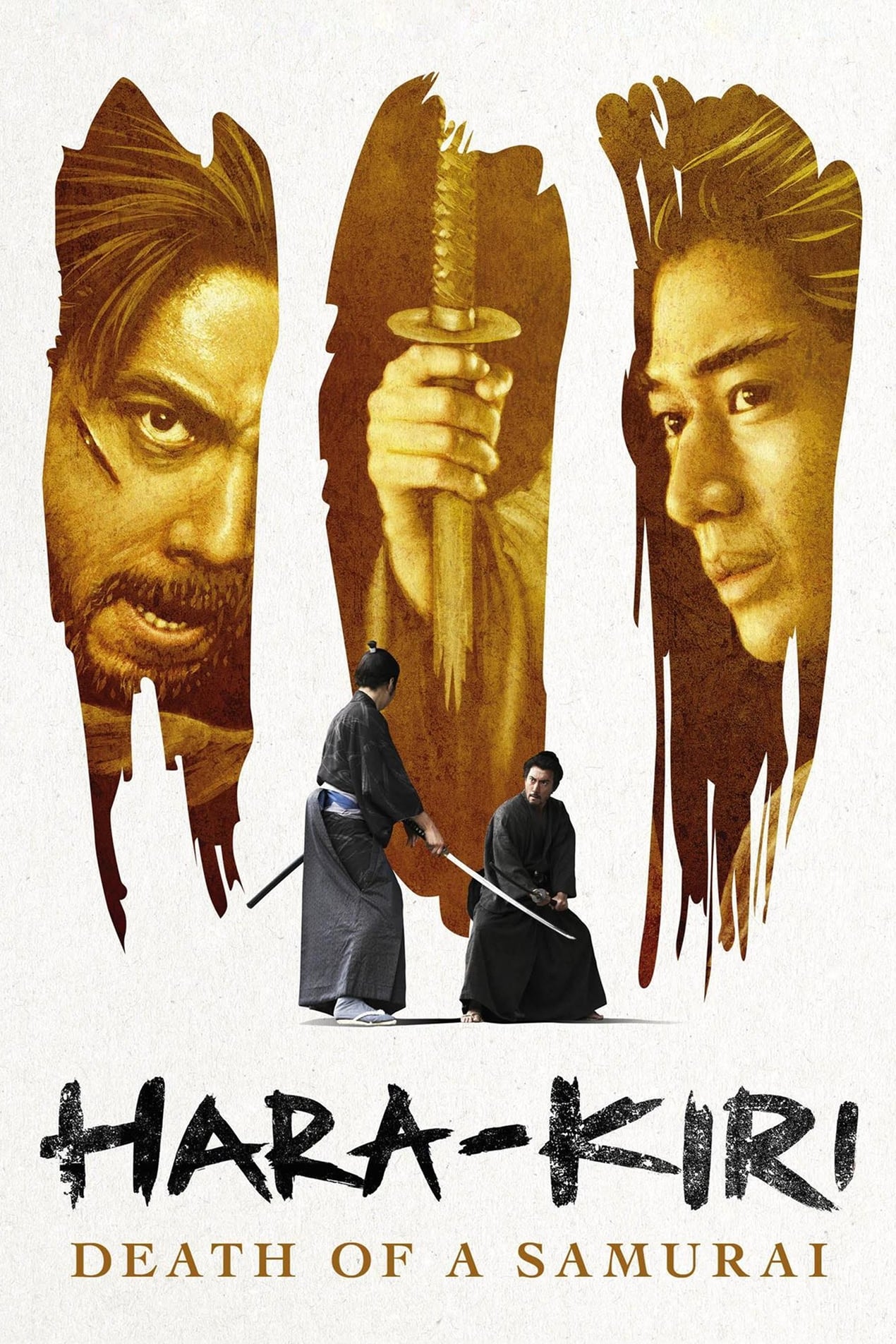
Hara-Kiri: Death of a Samurai
A tale of revenge, honor and disgrace, centering on a poverty-stricken samurai who discovers the fate of his ronin son-in-law, setting in motion a tense showdown of vengeance against the house of a feudal lord.
Insights
Plot Summary
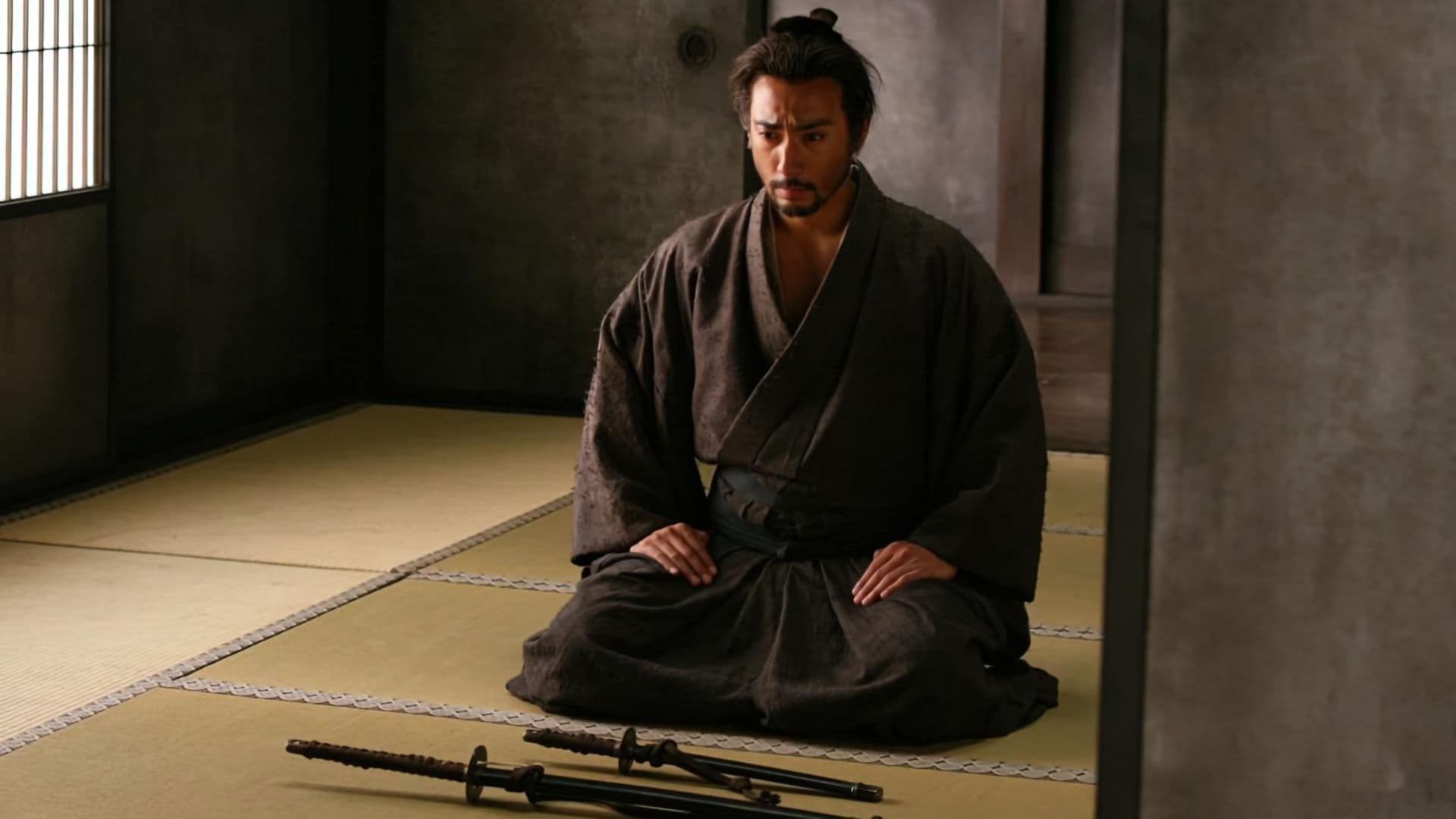
In feudal Japan, samurai Hanshiro Tsugumo arrives at the Ii clan's gate requesting to commit ritual suicide. As he awaits permission, he recounts the tragic tale of another samurai who faced a similar fate. Tsugumo's story reveals a deeper, more personal motive behind his plea, exposing the corruption and hypocrisy within the samurai code.
Critical Reception
Takashi Miike's "Hara-Kiri: Death of a Samurai" received generally positive reviews, with critics praising its visual artistry, compelling narrative, and Miike's masterful direction. While some found it to be a somber and brutal experience, many lauded its powerful exploration of honor, loyalty, and the consequences of rigid social structures.
What Reviewers Say
- Visually stunning and thematically rich, offering a critique of feudal society.
- Miike's signature style is evident, balancing brutal violence with poignant drama.
- A powerful and thought-provoking reimagining of a classic tale.
Google audience: Audience reviews often highlight the film's beautiful cinematography and the emotional impact of its story. Many appreciate the exploration of samurai honor and the critique of the rigid social system, though some found the violence intense.
Awards & Accolades
Nominated for the Palme d'Or at the 2011 Cannes Film Festival.
Fun Fact
This film is a remake of the 1962 Masaki Kobayashi film "Harakiri," a highly acclaimed masterpiece in its own right.
AI-generated overview · Verify ratings on official sources