IMDb7.1/10
Rotten Tomatoes96%
Metacritic76/100
Google Users95%
Director: Yim Dae-hyung•Genres: Drama, Slice of Life
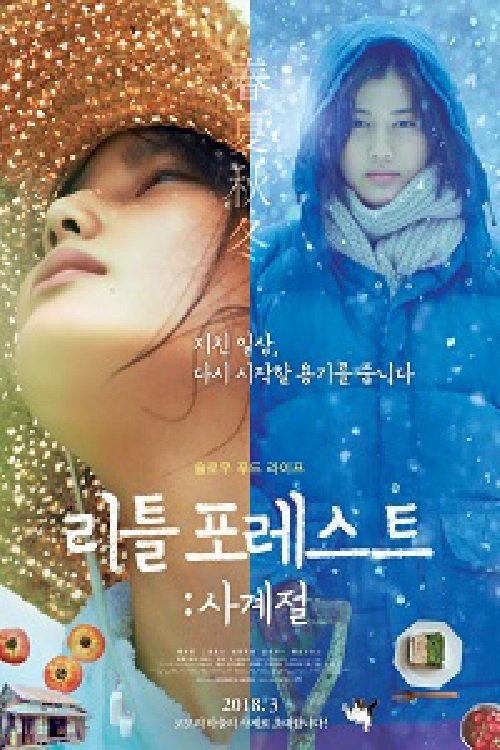
Hae-won leaves her unsatisfying city life and returns to her rural hometown, where she finds solace and sustenance through the changing seasons. She rediscovers herself by preparing meals from scratch using ingredients harvested from the land, reconnecting with her mother's legacy and finding her own path.
Little Forest was widely praised for its gentle pace, stunning cinematography, and heartwarming portrayal of self-discovery and the simple joys of life. Critics and audiences alike appreciated its calming atmosphere and relatable themes of escaping urban stress and finding fulfillment in nature and homemade food.
- A visually beautiful and soothing film that celebrates the connection between food, nature, and healing.
- Offers a refreshing escape from the complexities of modern life, focusing on simple pleasures and self-sufficiency.
- The film's deliberate pacing and focus on culinary preparation create a meditative and immersive viewing experience.
Google audience: Google users overwhelmingly loved the film, praising its beautiful scenery, delicious-looking food, and the heartwarming story of self-discovery. Many found it incredibly relaxing and inspiring, appreciating its focus on nature and simple living.
Nominated for Best Film and Best Actress (Kim Tae-ri) at the 54th Baeksang Arts Awards.
The film is based on a Japanese manga series of the same name by Daisuke Igarashi, which was also adapted into a Japanese film series.
AI-generated overview · Verify ratings on official sources