

Sparta
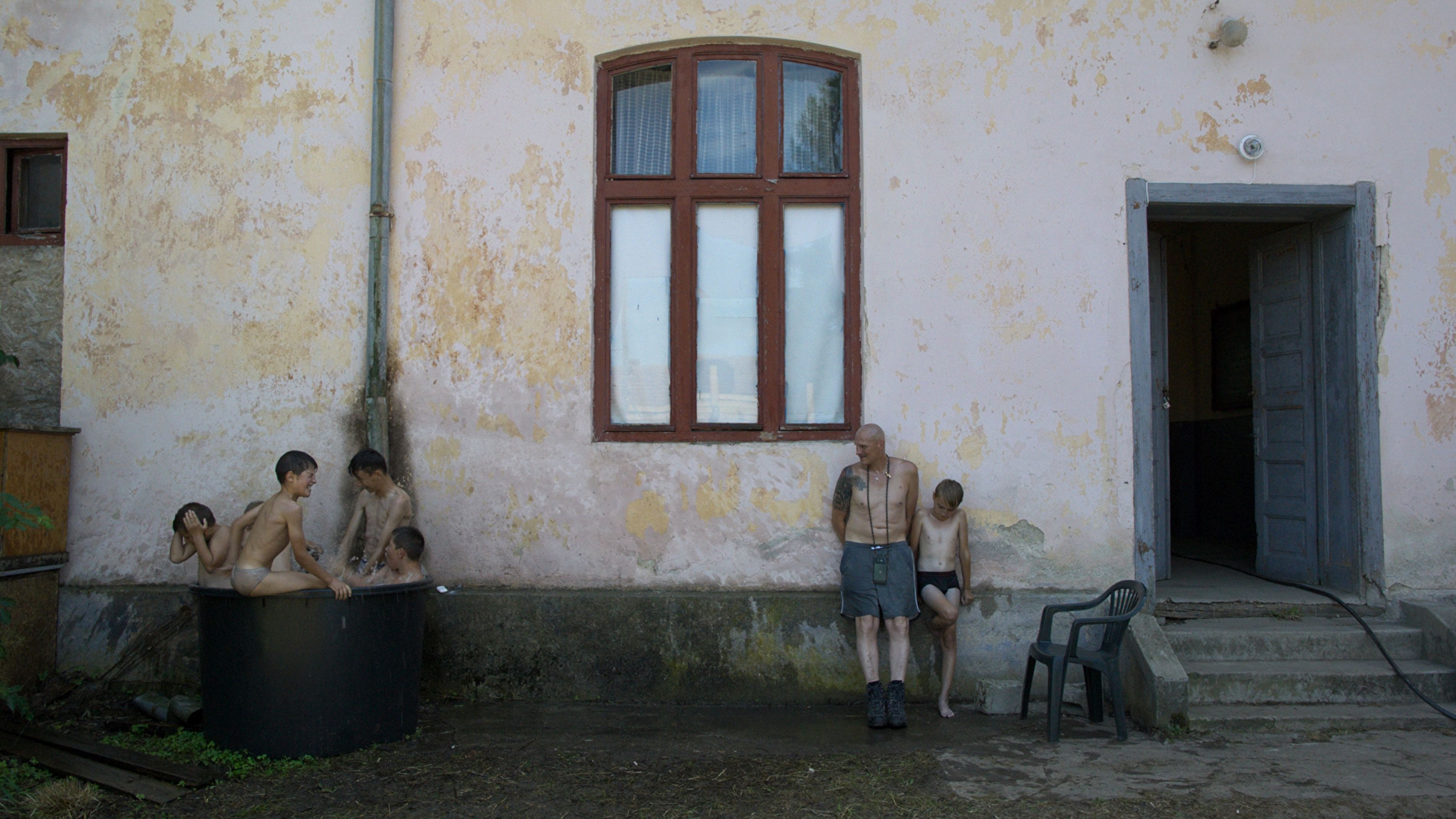
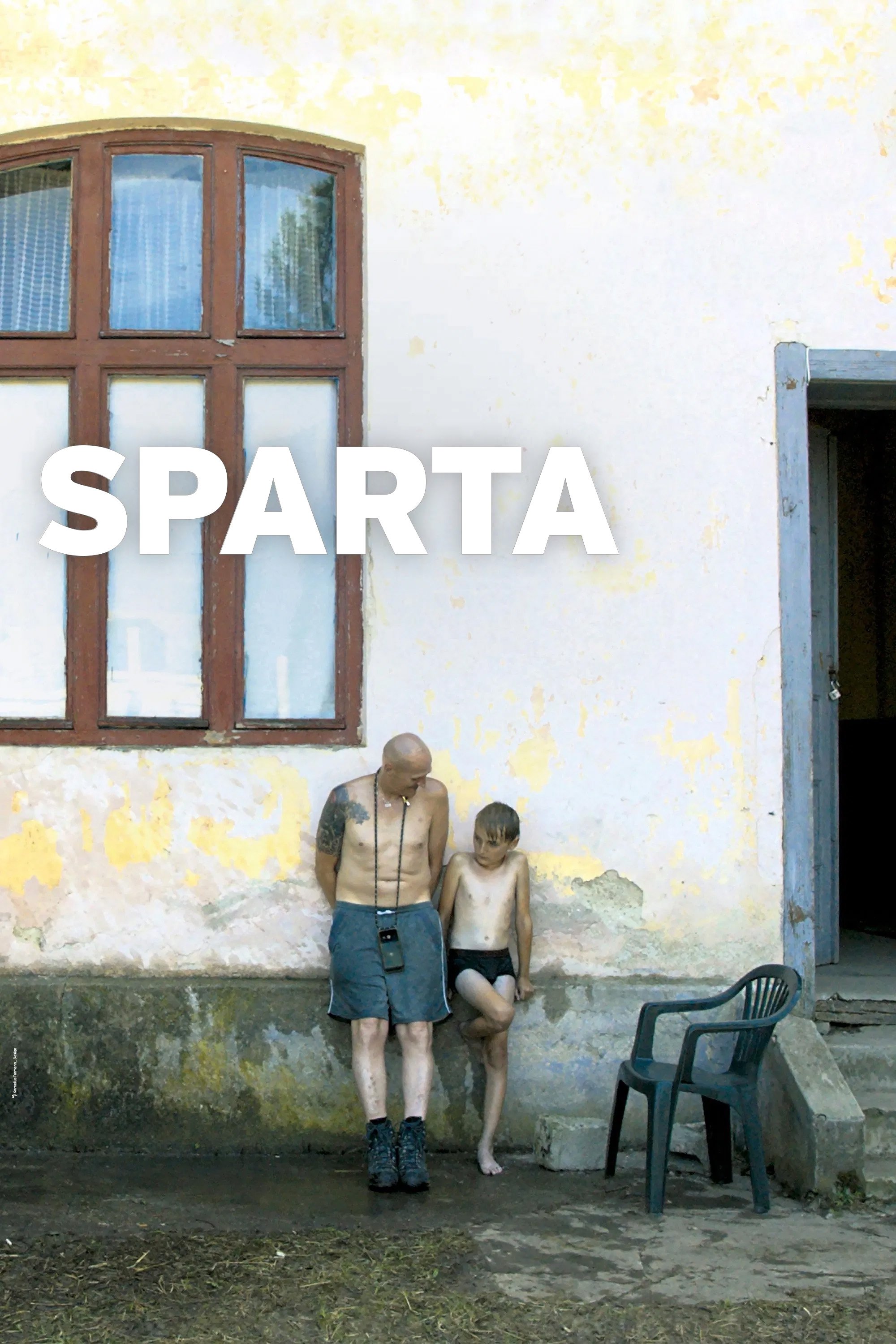
Ewald moved to Romania years ago. Now in his 40s, he seeks a fresh start. Leaving his girlfriend, he moves to the hinterland. With young boys from the area, he transforms a decaying school into a fortress. The children enjoy a new, carefree existence. But the distrust of the villagers is soon awoken. And Ewald is forced to confront a truth he has long suppressed.
Insights
Plot Summary
A retired Austrian teacher, recently divorced and seeking a fresh start, relocates to the Balkans. He purchases a dilapidated property and begins renovations, aiming to build a new life. However, his plans take a dark turn as he becomes entangled with a young girl from a nearby village.
Critical Reception
Ulrich Seidl's 'Sparta' is a challenging and provocative film that has garnered a polarized reception. Critics have noted its unflinching depiction of difficult themes and Seidl's signature observational style, while audiences have found its subject matter disturbing and its narrative bleak. It continues Seidl's exploration of human desire, social hierarchies, and the darker aspects of Austrian society.
What Reviewers Say
- Praised for its bold and uncompromising directorial vision.
- Criticized for its disturbing and ethically complex subject matter.
- Noted for its stark realism and unsettling atmosphere.
Google audience: Google users generally find 'Sparta' to be a thought-provoking but deeply unsettling film. While some appreciate its artistic merit and Seidl's distinctive style, many express discomfort with the protagonist's actions and the film's overall grim tone.
Awards & Accolades
Nominated for the Golden Bear at the 70th Berlin International Film Festival.
Fun Fact
The film was shot on location in various Balkan countries, with Seidl deliberately choosing settings that reflected the protagonist's isolation and detachment from his previous life.
AI-generated overview · Verify ratings on official sources