
Movie spotlight
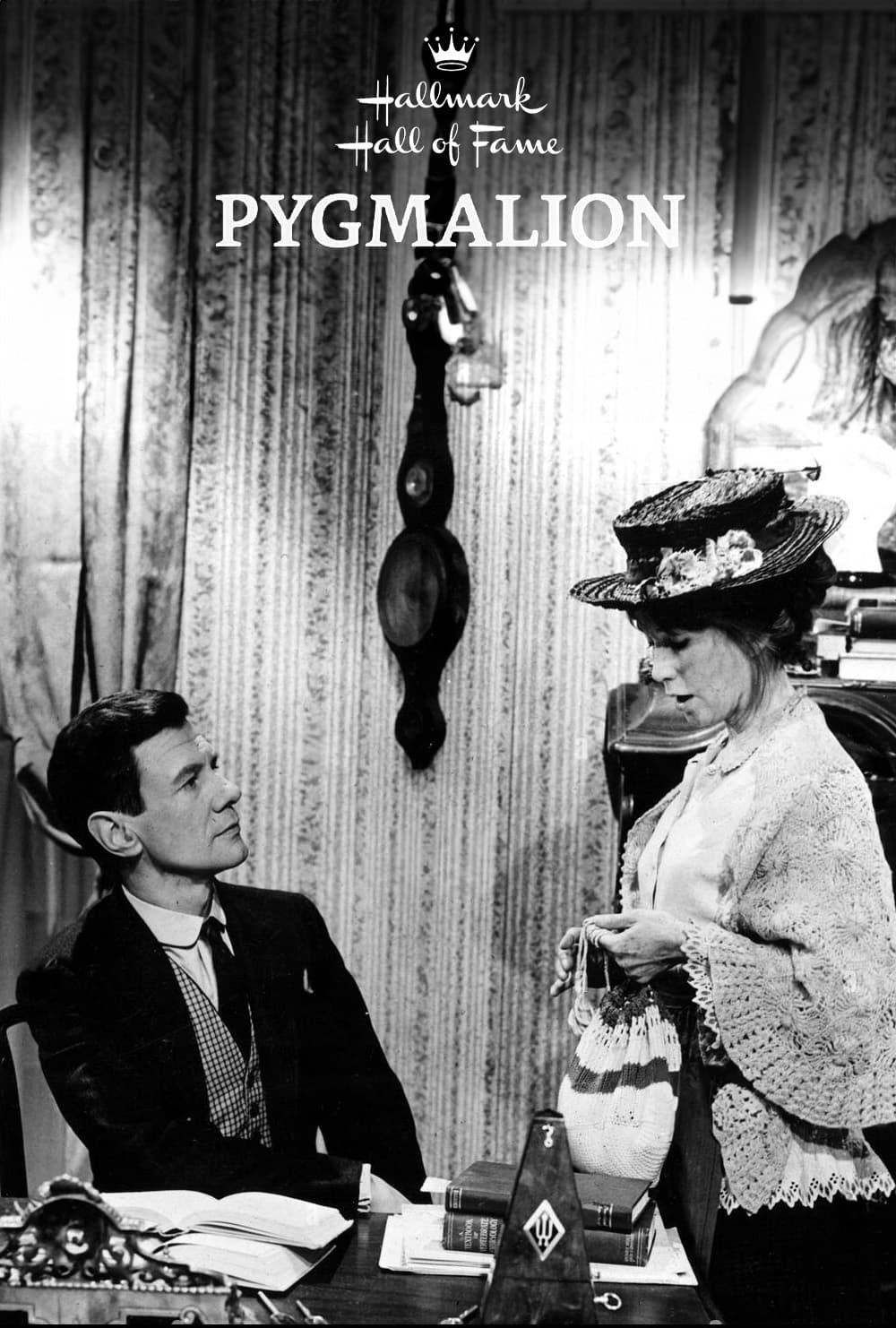
Pygmalion
Can Professor Higgins transform cockney flower girl Eliza Dolittle into a lady by teaching her to speak properly?
Insights
Plot Summary
Based on George Bernard Shaw's play, this musical adaptation follows Professor Henry Higgins, a linguistics expert who boasts he can transform Eliza Doolittle, a Cockney flower girl, into a lady presentable in high society. He wagers he can pass her off as a duchess at an embassy ball. The film chronicles Eliza's arduous and often humorous journey of elocution lessons and social conditioning, leading to unexpected personal growth and a reevaluation of their own class-bound assumptions.
Critical Reception
Pygmalion (1963) was generally well-received by critics for its faithful adaptation of Shaw's play, its musical numbers, and the performances of its lead actors, Leslie Caron and Richard Harris. While it garnered praise for its charm and wit, some noted its adherence to the theatrical source material made it feel somewhat dated compared to contemporary musical films.
What Reviewers Say
Praised for its elegant musical numbers and spirited performances, particularly from Leslie Caron.
Appreciated as a faithful and charming adaptation of a classic play.
Some found its pacing and style to be more theatrical than cinematic.
Google audience: Audience sentiment for Pygmalion (1963) often highlights its delightful musicality and the engaging dynamic between the leads. Viewers frequently commend the film's wit and the charming portrayal of Eliza Doolittle's transformation, though some express a preference for more dynamic pacing.
Awards & Accolades
Nominated for two BAFTA Awards: Best Costume Design and Best Production Design.
Fun Fact
The film was shot in Technicolor, a process that contributed to its vibrant visual aesthetic and was a significant feature for films of its era.
AI-generated overview · Verify ratings on official sources