Movie spotlight
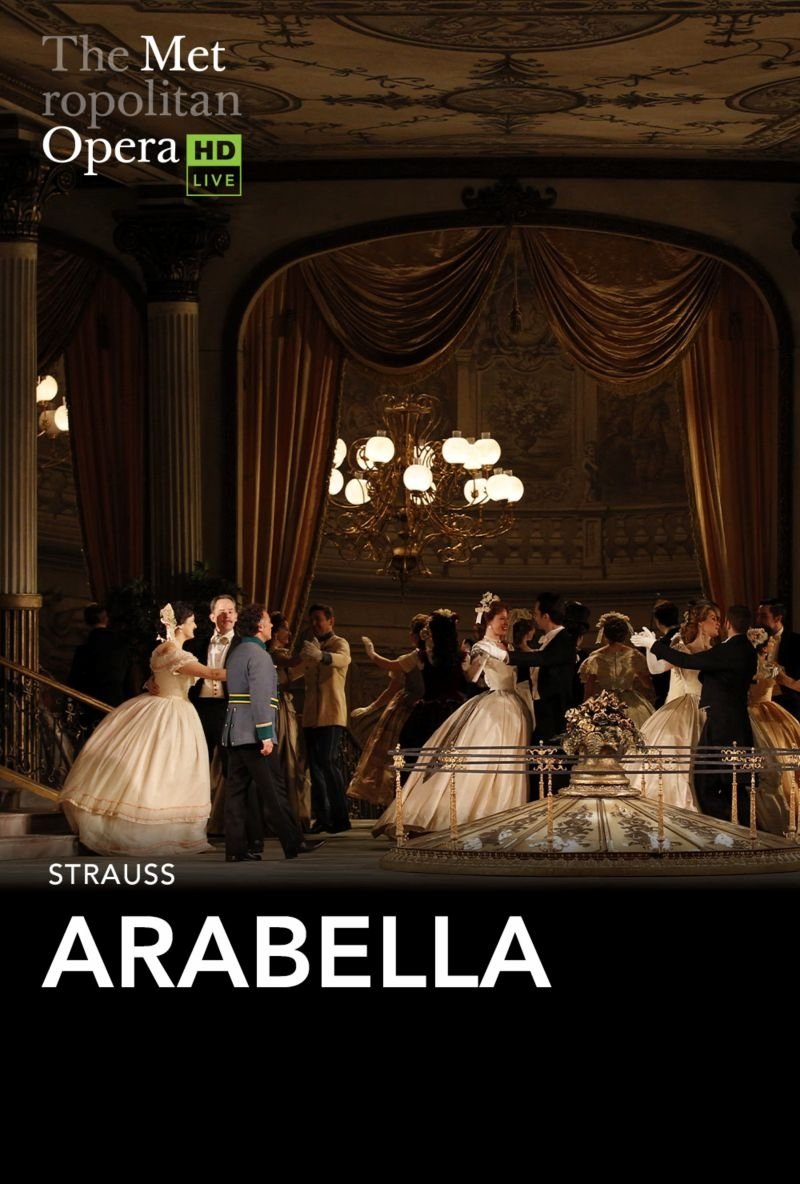
The Metropolitan Opera: Arabella
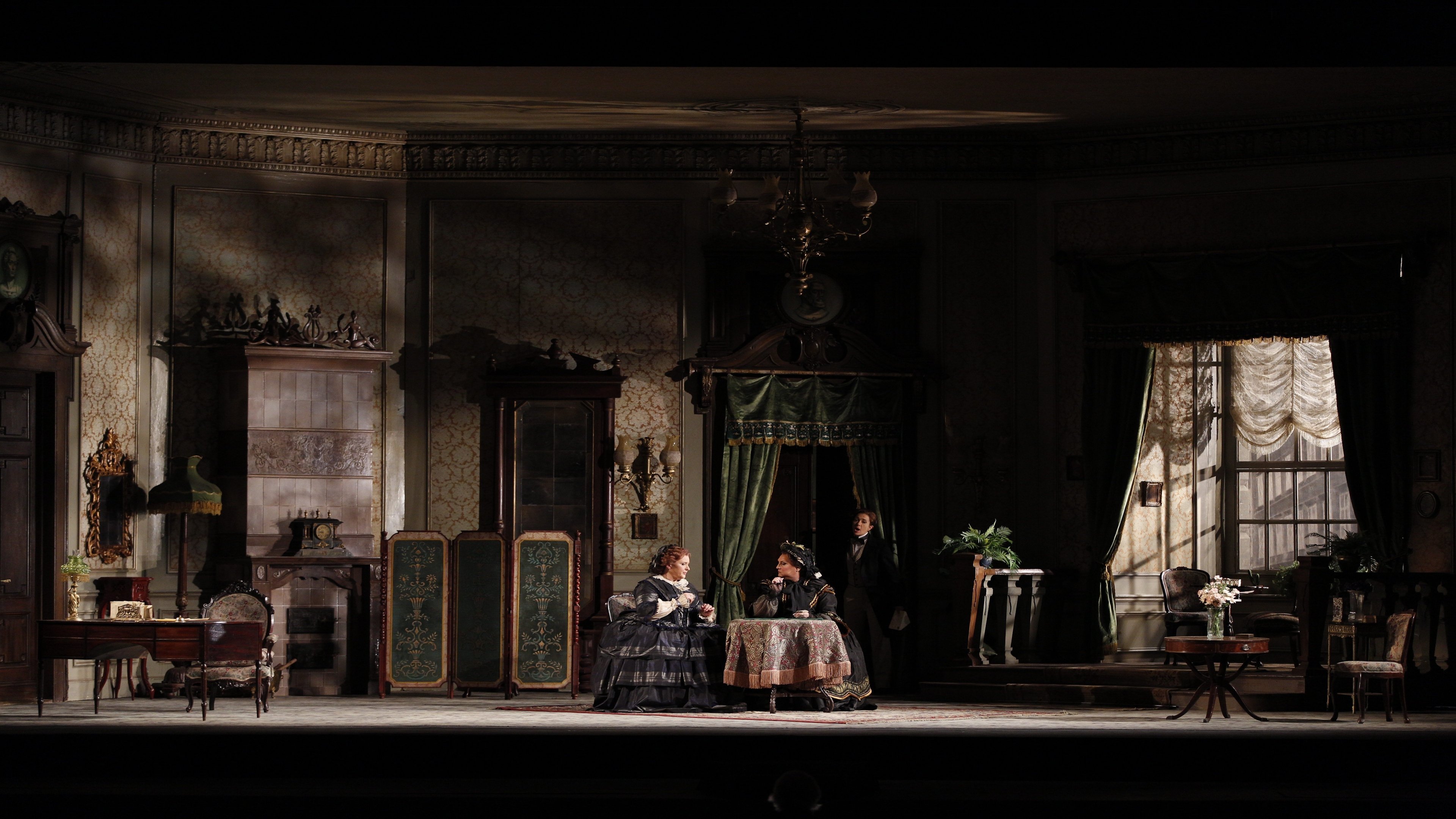
Strauss’s elegant romance brings the glamour and enchantment of 19th-century Vienna to cinemas worldwide in a sumptuous production by legendary director Otto Schenk that “is as beautiful as one could hope” (The New York Times). Soprano Rachel Willis-Sørensen stars as the title heroine, a young noblewoman in search of love on her own terms. Radiant soprano Louise Alder is her sister, Zdenka, and bass-baritone Tomasz Konieczny is the dashing count who sweeps Arabella off her feet.
Insights
Plot Summary
Set in a Viennese hotel in the 1930s, Arabella, a beautiful young woman from a declining aristocratic family, is pressured to marry a wealthy suitor to save her family from ruin. Her mother arranges for several wealthy suitors to meet her, but Arabella is only interested in the mysterious Count Mandryka. Complications arise from a mistaken identity involving her tomboy sister, Zdenka, who poses as Arabella in a clandestine meeting with Mandryka.
Critical Reception
As this is a future production, critical reception is not yet available. However, Richard Strauss's opera 'Arabella' is generally well-regarded for its lyrical melodies, witty libretto by Hugo von Hofmannsthal, and exploration of themes of love, identity, and societal expectations. Previous productions at the Metropolitan Opera have often been praised for their musicality and staging.
What Reviewers Say
Praised for its enchanting score and sophisticated, often humorous, libretto.
Explores complex romantic entanglements and the pressures of social standing with wit and musical brilliance.
Requires strong vocal performances to capture the nuanced characters and emotional depth.
Google audience: Audience reception for the opera 'Arabella' itself is generally positive, appreciating its beautiful music and engaging, albeit sometimes convoluted, plot. The psychological drama and romantic entanglements are often cited as highlights.
Awards & Accolades
None notable for this specific production, but the opera 'Arabella' by Richard Strauss has been a staple of the operatic repertoire and has received numerous accolades in various productions over the decades.
Fun Fact
Richard Strauss wrote 'Arabella' as a successor to his earlier opera 'Die ägyptische Helena', and it was intended to be a lighter, more charming work, drawing inspiration from Viennese operetta traditions.
AI-generated overview · Verify ratings on official sources