
Movie spotlight
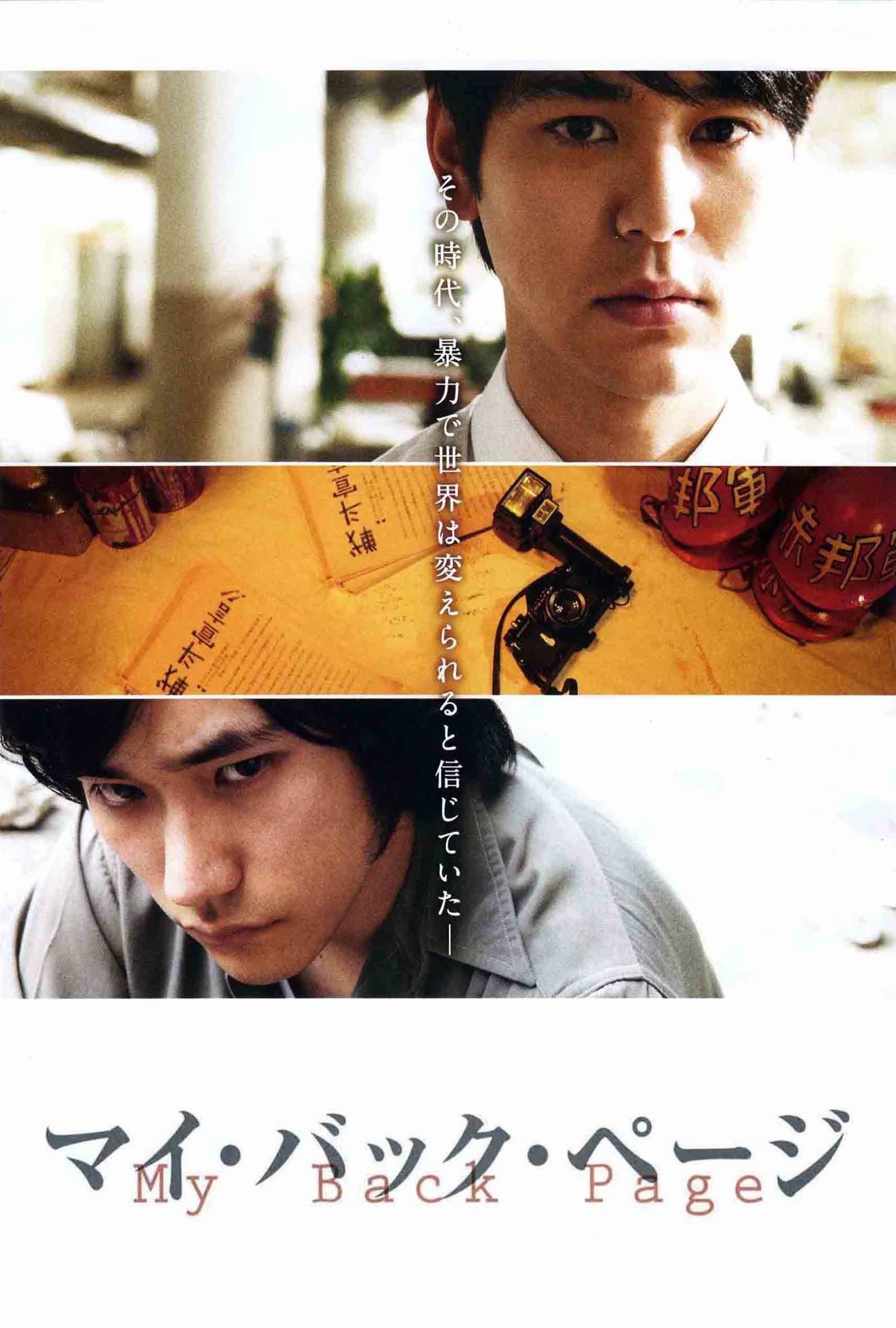
My Back Page
In 1969, Sawada is filled with idealism that permeated that era and starts working as a gonzo journalist for a weekly magazine. Two years later, Sawada interviews activist Umeyama with senior reporter Nakahira. Umeyama boasts that his group will steal arms and take action in April. Sawada doubts Umeyama's claims but is attracted to his personality. An incident occurs... Sawada hears news that a man was killed at a army post...
Insights
Plot Summary
Set in 1960s Tokyo, the film follows a university student who becomes infatuated with a charismatic bar singer. His life takes a dramatic turn when he gets involved with a group of radical students and becomes entangled in their protests and political activities. The story explores themes of youthful idealism, love, and the complexities of navigating a turbulent era in Japanese history.
Critical Reception
My Back Page received a mixed to positive reception, with praise often directed at its performances and visual style, capturing the spirit of the 1960s. However, some critics found the plot to be somewhat uneven, particularly in its handling of the political and romantic elements. Audience reception was generally favorable, appreciating the nostalgic setting and emotional narrative.
What Reviewers Say
Praised for its strong lead performances and evocative portrayal of the 1960s.
Some found the narrative pacing and the integration of political themes to be less effective.
The film's emotional core and romantic storyline resonated with many viewers.
Google audience: Information on specific Google user reviews and summaries is not readily available for this title.
Fun Fact
The film is based on a novel of the same name by author Haruki Murakami, though it is not one of his more widely adapted works.
AI-generated overview · Verify ratings on official sources