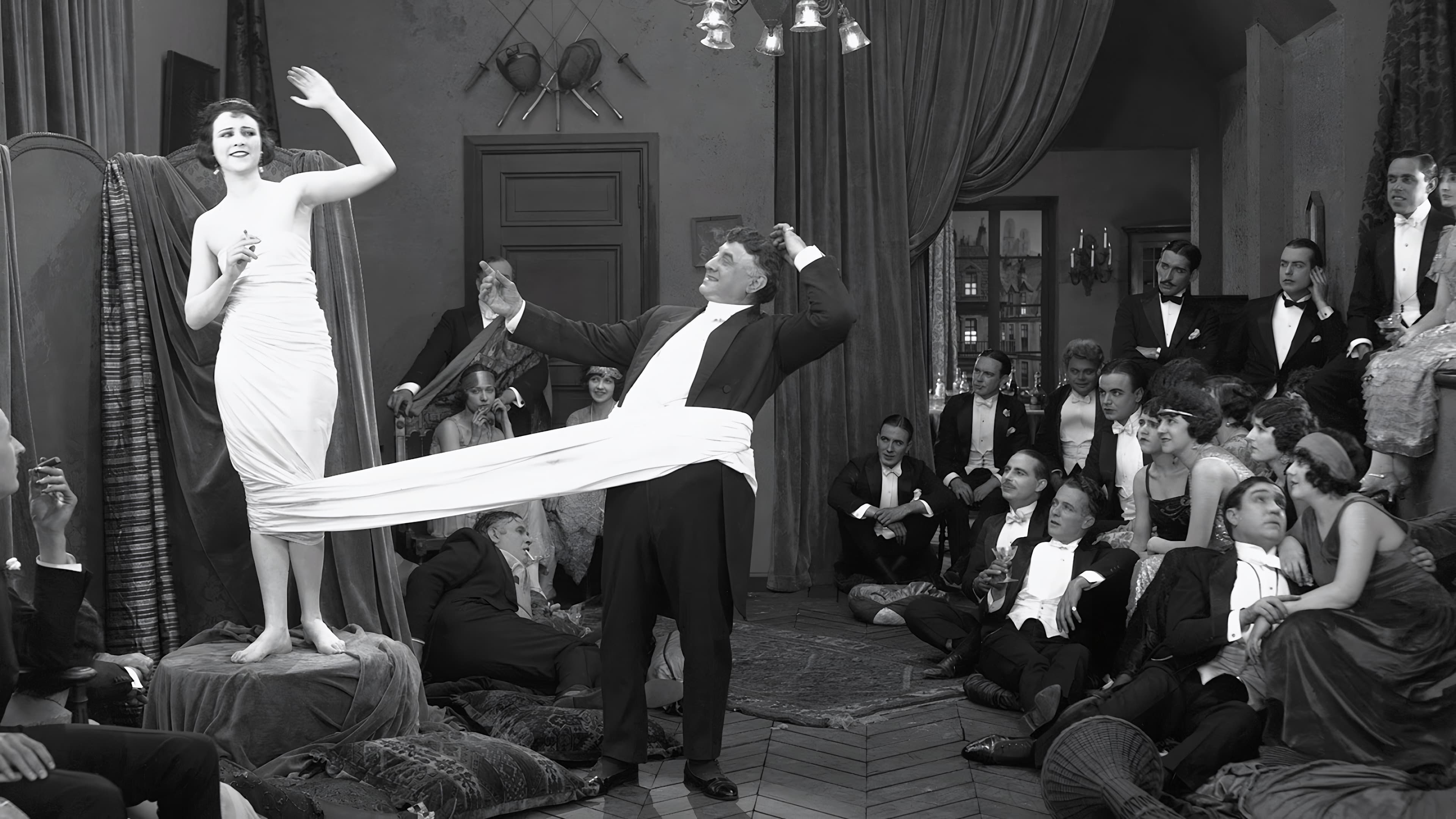

Movie spotlight
A Woman of Paris: A Drama of Fate
When Marie St. Clair believes she has been jilted by her artist fiance Jean, she decides to leave for Paris on her own. After spending a year in the city as a mistress of the wealthy Pierre Revel, she is reunited with Jean by chance. This leaves her with the choice between a glamorous life in Paris, and the true love she left behind.
Insights
Plot Summary
Marie St. Clair, a young French woman, flees her provincial home for the glamour of Paris after her lover, Jean, fails to meet her at the train station. In Paris, she becomes the mistress of the wealthy Pierre Revel, but her heart still longs for Jean, who reappears, now destitute. Marie attempts to help Jean, leading to tragic consequences for all involved.
Critical Reception
Released to mixed reviews during its initial run, "A Woman of Paris" was considered a departure from Chaplin's usual comedic fare. While some critics praised its dramatic depth and mature themes, others found it too somber. Over time, its reputation has grown, and it is now recognized as a significant artistic achievement in silent cinema for its sophisticated storytelling and realistic portrayal of human relationships.
What Reviewers Say
Praised for its mature and sophisticated dramatic narrative.
Acknowledged for its departure from Chaplin's comedic persona and its exploration of complex human emotions.
Recognized as a beautifully crafted and emotionally resonant silent film.
Google audience: Audience reception for this film is not widely documented on Google platforms, but its artistic merit is generally recognized by film scholars and enthusiasts.
Fun Fact
Despite being a critical and commercial failure upon its initial release, Charlie Chaplin considered "A Woman of Paris" his most important work, and the film significantly influenced the development of realistic filmmaking in Hollywood.
AI-generated overview · Verify ratings on official sources