IMDb7.0/10
Rotten Tomatoes91%
Metacritic77/100
Google Users84%
Director: Jack Clayton•Genres: Drama
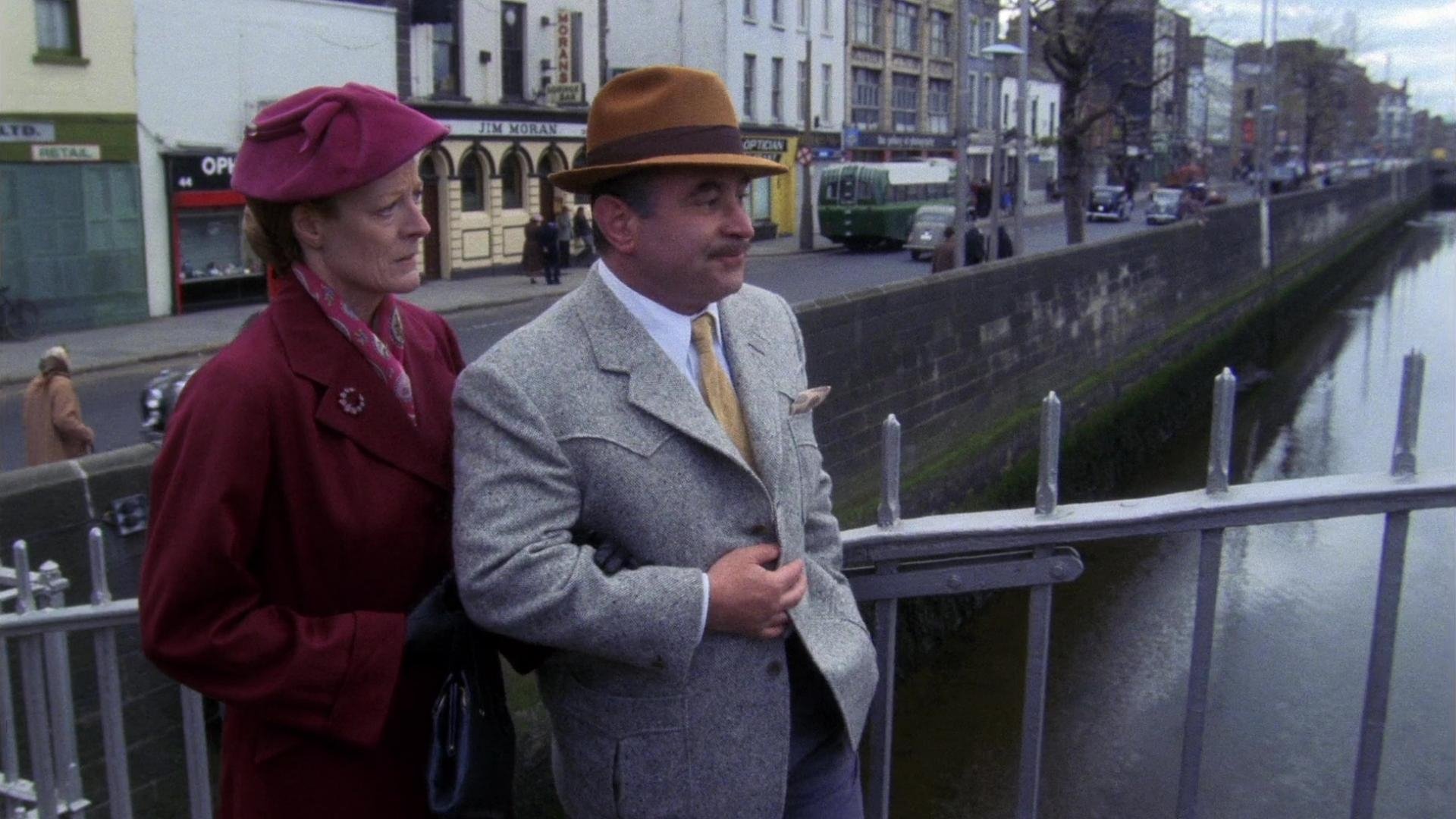
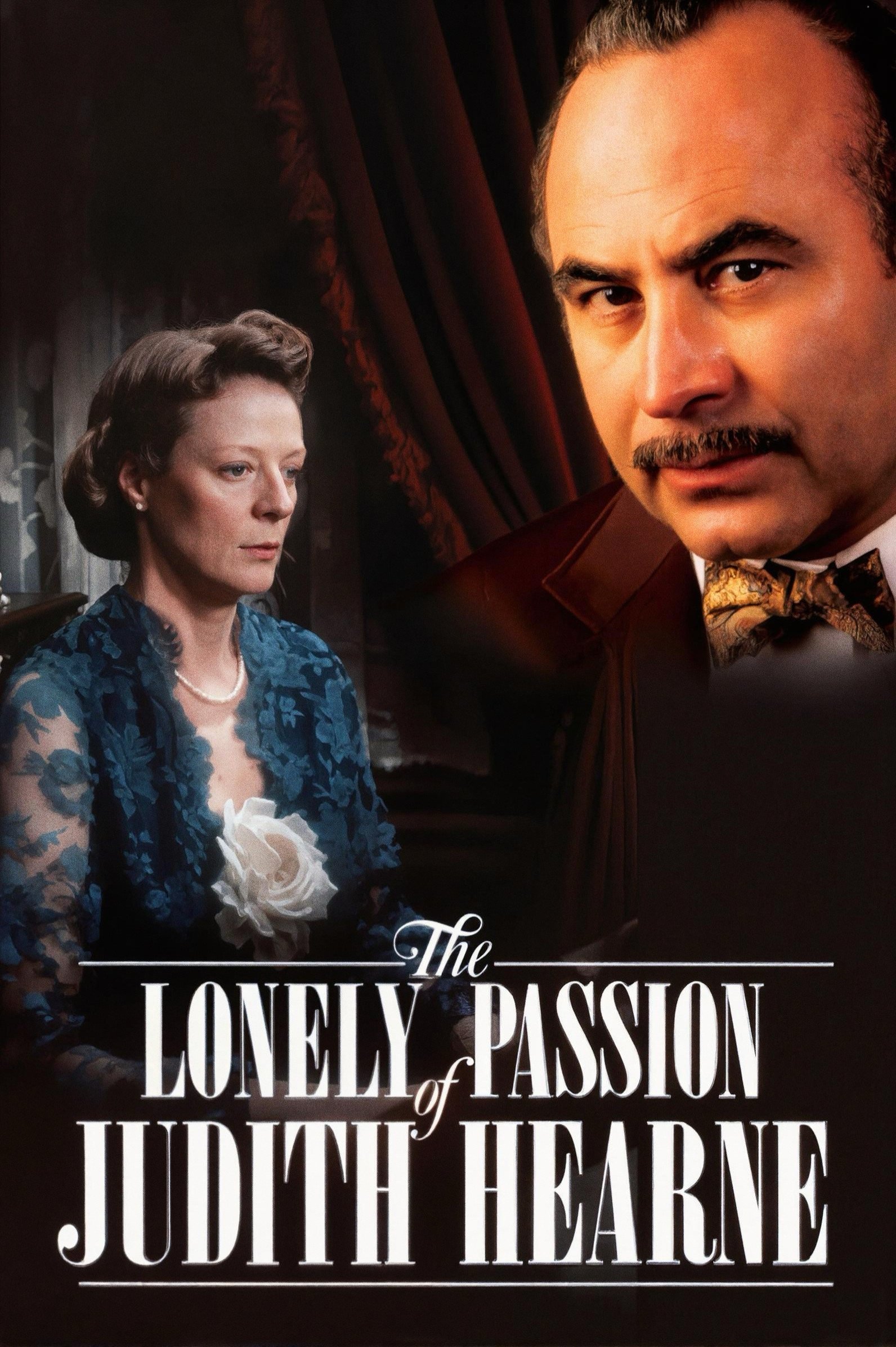
Judith Hearne, a lonely, middle-aged spinster in 1930s Dublin, clings to the hope of finding love and companionship. She develops an intense infatuation with James Madden, a charming but unreliable pianist she meets. As Judith becomes increasingly dependent on Madden's attention, her precarious financial situation and fragile emotional state begin to unravel.
The film was critically acclaimed, particularly for Maggie Smith's performance, which was widely praised as a tour de force. Critics noted the film's sensitive portrayal of loneliness, social isolation, and the desperation for human connection, while also commending Jack Clayton's masterful direction. Audiences responded well to the film's poignant narrative and strong characterizations.
Maggie Smith delivers a career-defining performance as the titular lonely woman.
The film masterfully explores themes of loneliness, desperation, and societal expectations.
Jack Clayton's direction is subtle and effective, drawing out the pathos of the story.
Google audience: Audiences overwhelmingly praised Maggie Smith's haunting portrayal of Judith Hearne, finding the film to be a deeply moving and emotionally resonant character study. Many highlighted the film's ability to capture the profound sadness and quiet desperation of its protagonist, although some found the subject matter to be quite bleak.
Maggie Smith was nominated for a Golden Globe Award for Best Actress – Motion Picture Drama and a BAFTA Award for Best Actress in a Leading Role for her performance. The film also received critical praise at various film festivals.
The film is based on the 1955 novel of the same name by Brian Moore, who also co-wrote the screenplay. Moore's novel was previously adapted into a 1962 film starring Shirley MacLaine, titled 'The L-Shaped Room'.
AI-generated overview · Verify ratings on official sources