
badelf
Typical Kurasawa creative framing in the beginning of the movie. The scene of dancers shot through bead curtains swinging in time to the music was brilliant. His choice of Miki Odagiri for muse is brilliant. Her laugh is infectious. The la...
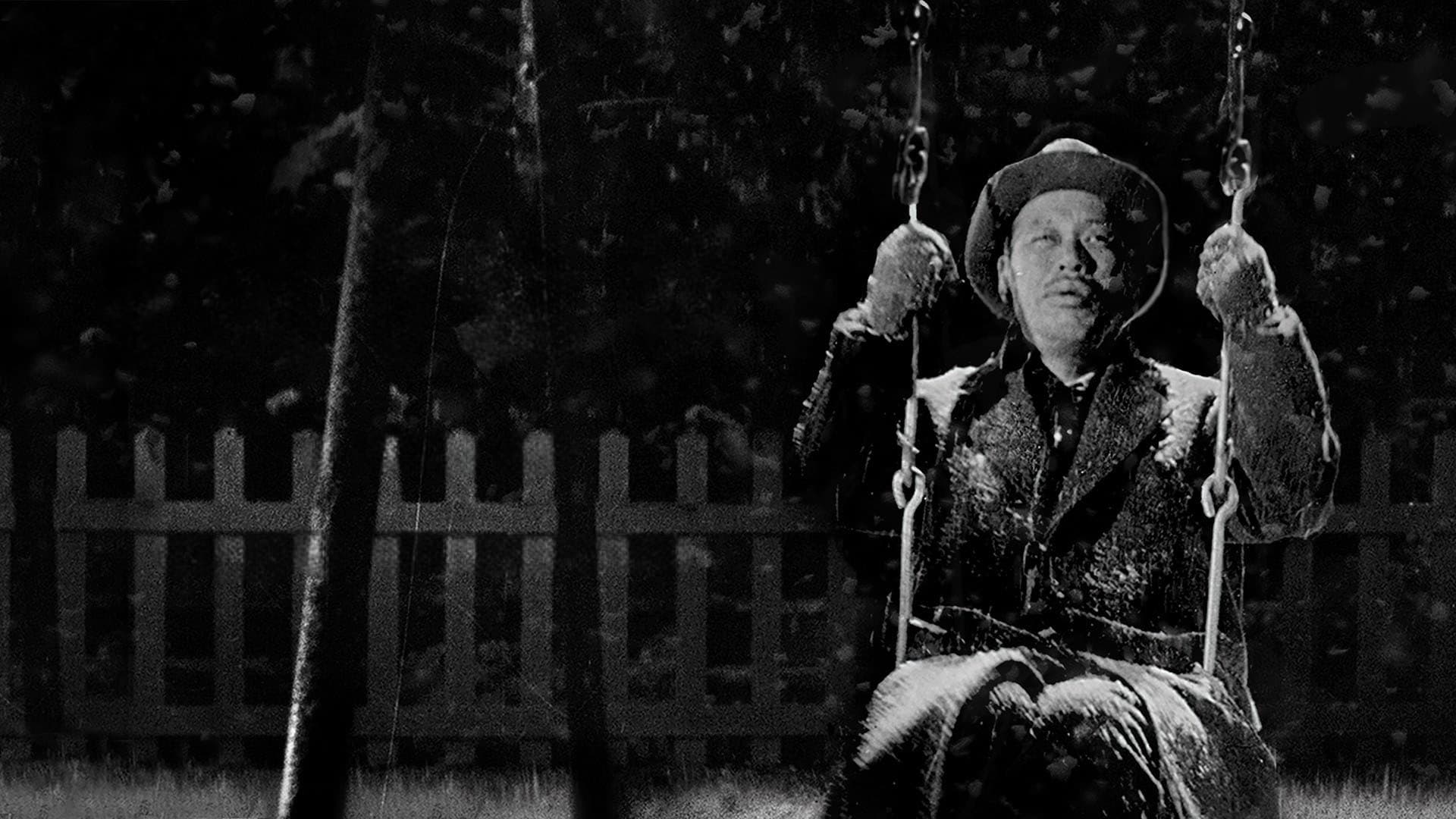

Movie spotlight
Kanji Watanabe is a middle-aged man who has worked in the same monotonous bureaucratic position for decades. Learning he has cancer, he starts to look for the meaning of his life.
A stoic bureaucrat, Kanji Watanabe, discovers he has terminal stomach cancer. Faced with his own mortality, he resigns from his monotonous job, seeking to find meaning in his remaining days. He attempts to experience life's pleasures and connect with his estranged son, but ultimately finds purpose in pushing a playground project through the city bureaucracy.
Akira Kurosawa's 'Ikiru' is widely regarded as a masterpiece, praised for its profound exploration of life, death, and purpose. It is celebrated for its compassionate portrayal of human struggle and its powerful, albeit melancholic, message. The film has consistently been lauded by critics and audiences alike for its emotional depth and masterful direction.
A deeply moving and philosophical examination of life's meaning.
Takashi Shimura delivers a performance of immense power and poignancy.
Kurosawa's direction is masterful, blending realism with a profound sense of humanity.
Google audience: Google users overwhelmingly praise 'Ikiru' for its touching story, profound themes, and powerful emotional impact. Many highlight the film's ability to inspire reflection on one's own life and the importance of finding purpose, even in the face of mortality. The performances, particularly by Takashi Shimura, are frequently cited as exceptional.
Nominated for the Palme d'Or at the 1954 Cannes Film Festival. Won Best Film at the 1952 Kinema Junpo Awards.
The famous "strawberry ice" scene, where Watanabe finally experiences simple joy, was inspired by a real-life experience of Kurosawa's father.
AI-generated overview · Verify ratings on official sources
Typical Kurasawa creative framing in the beginning of the movie. The scene of dancers shot through bead curtains swinging in time to the music was brilliant. His choice of Miki Odagiri for muse is brilliant. Her laugh is infectious. The la...

I watched the English follow-up version (Living) before watching this original, and wished I had reversed my order. I liked Living much more than this original, but since both were written by the same Japanese scriptwriter, my preference mi...
Takashi Shimura is "Watanabe", an elderly civil service lifer who is told that he has terminal stomach cancer. After years of a disciplined, rather pedestrian existence he now feels a need to emancipate himself and start to live a little. T...