Movie spotlight
Newfoundland at Armageddon
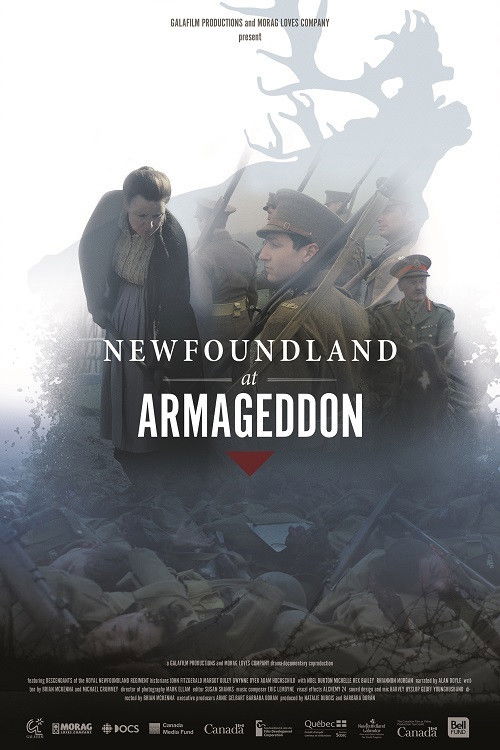
On July 1st, 1916, the Newfoundland Regiment took part in a massive First World War offensive on the Somme, led by the British. At Beaumont Hamel the regiment was nearly wiped out, as only 110 of 780 soldiers survived the day. To commemorate its 100th anniversary, Brian McKenna’s documentary film tells the story of this epic tragedy. Using a technique that brings new meaning to reenactment, McKenna recruits descendants of soldiers who fought this battle, offering them a unique opportunity to relive the experience of their ancestors in trenches built specifically for the film.
Insights
Plot Summary
This documentary explores the pivotal role of Newfoundland soldiers in the First World War, specifically focusing on their experiences at the Battle of Beaumont-Hamel. It delves into the immense sacrifices made by the Royal Newfoundland Regiment and the lasting impact of the war on the province. The film uses archival footage, historical accounts, and expert analysis to bring this critical historical event to life.
Critical Reception
While specific mainstream critical reviews are scarce for this documentary, it has been recognized for its important historical documentation and its sensitive portrayal of Newfoundland's wartime sacrifices. Audience reception tends to be appreciative of its educational value and emotional resonance.
What Reviewers Say
Praised for its focus on often-overlooked Newfoundland contributions to WWI.
Appreciated for its respectful and somber tone regarding the human cost of war.
Seen as a valuable educational resource for understanding Newfoundland's role in military history.
Google audience: Information not readily available from public Google user reviews.
Fun Fact
The film highlights that on July 1, 1916, the first day of the Battle of the Somme, the Royal Newfoundland Regiment suffered devastating losses, with over 700 casualties in a single engagement, effectively wiping out most of the regiment.
AI-generated overview · Verify ratings on official sources