
Movie spotlight
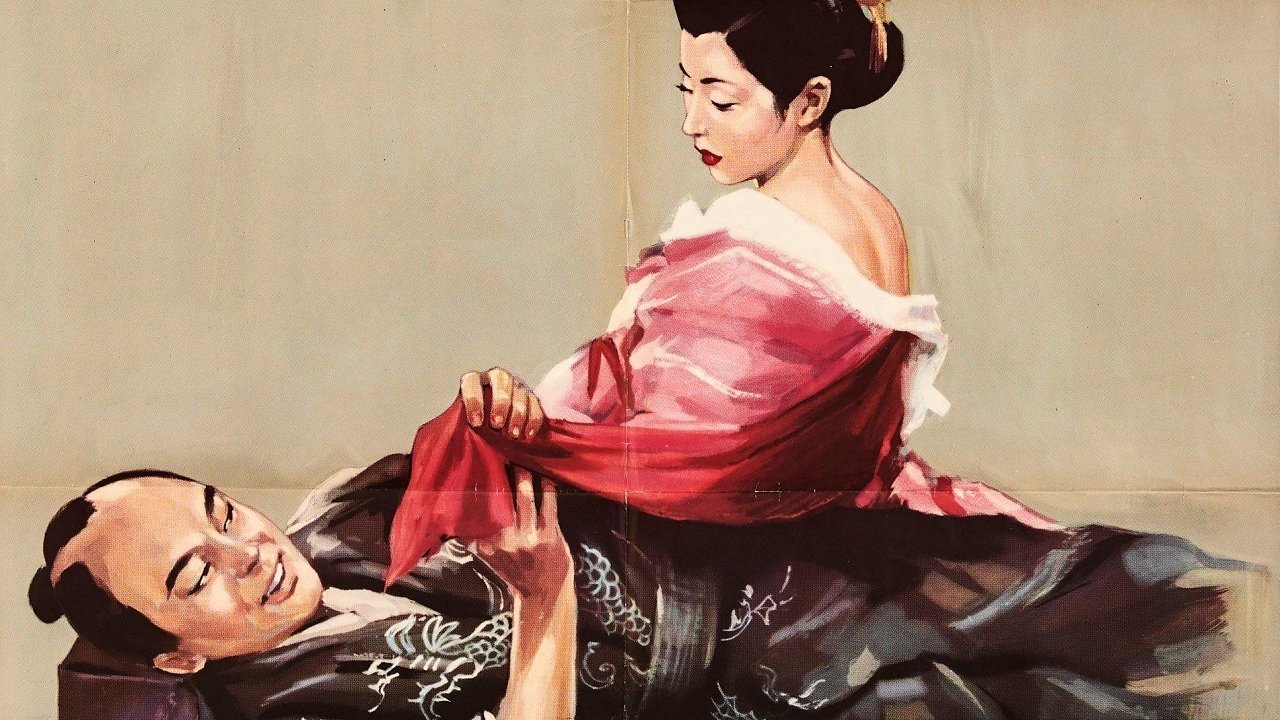
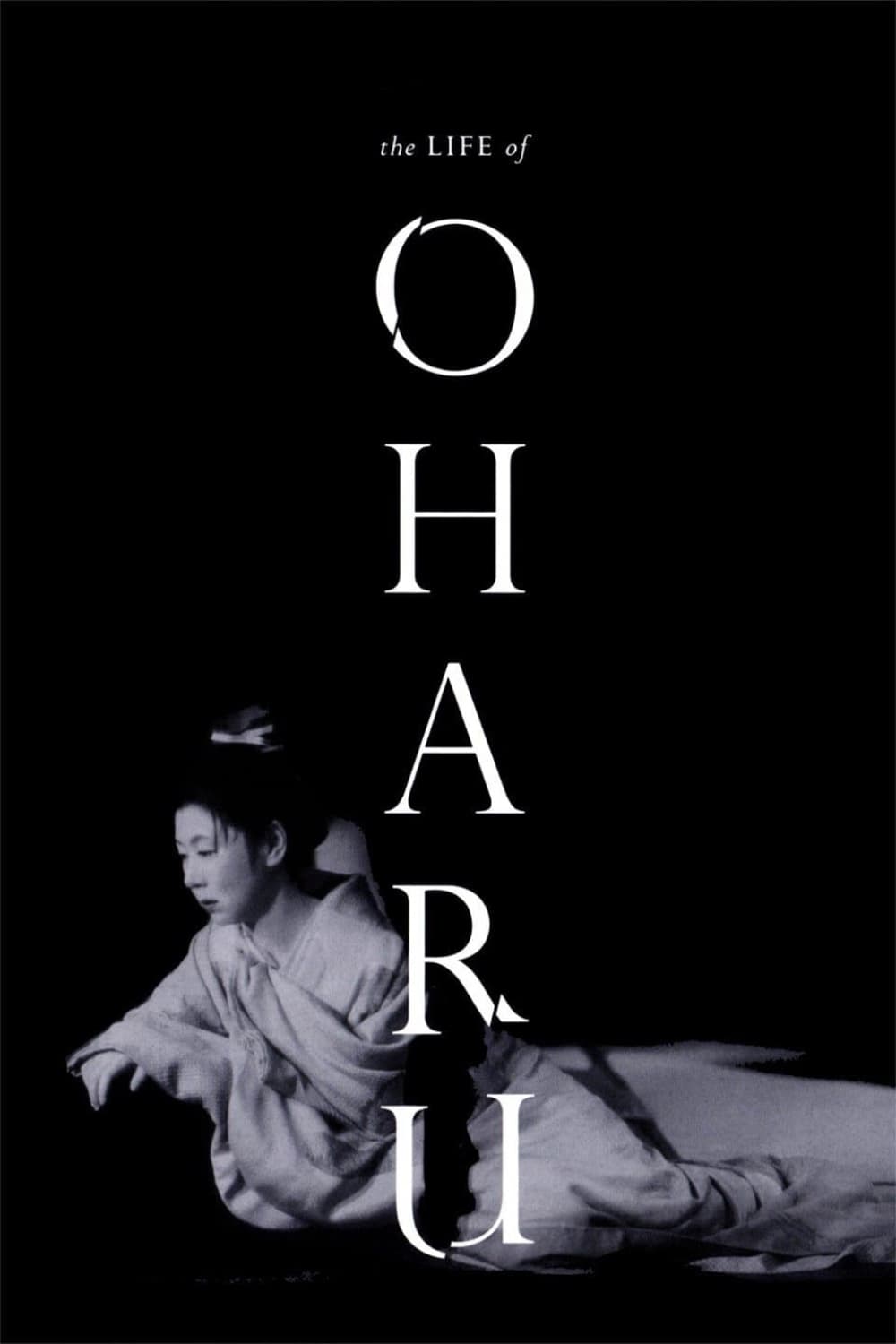
The Life of Oharu
During the Edo Period, a noblewoman's banishment for her love affair with a lowly page signals the beginning of her inexorable fall.
Insights
Plot Summary
The film chronicles the tragic life of Oharu, a lady-in-waiting who falls in love with a low-ranking samurai. Their forbidden romance leads to her disgrace and subsequent expulsion from the palace. Over the following decades, Oharu endures a harsh existence, sold into servitude, forced into prostitution, and exploited by various men, as she navigates the rigid social strata of feudal Japan.
Critical Reception
The Life of Oharu is widely regarded as a masterpiece of Japanese cinema and a significant work by Kenji Mizoguchi. It received critical acclaim for its profound humanism, powerful feminist themes, and masterful cinematic technique. The film was celebrated for its sympathetic portrayal of a woman's suffering within a patriarchal society, earning international recognition and awards.
What Reviewers Say
A profoundly moving and sympathetic portrayal of a woman's resilience against societal oppression.
Mizoguchi's directorial prowess is evident in the film's stunning visual composition and emotional depth.
The performance by Kinuyo Tanaka is considered one of the greatest in Japanese cinema.
Google audience: Audiences consistently praise 'The Life of Oharu' for its powerful storytelling and its empathetic depiction of a woman's struggle. Many highlight the film's enduring relevance and its masterful direction as key strengths.
Awards & Accolades
Awarded the Golden Lion at the Venice Film Festival in 1953, and Kinuyo Tanaka was recognized for her performance.
Fun Fact
The film was one of the first Japanese films to gain significant international distribution and critical acclaim, helping to put Japanese cinema on the global map in the post-war era.
AI-generated overview · Verify ratings on official sources