
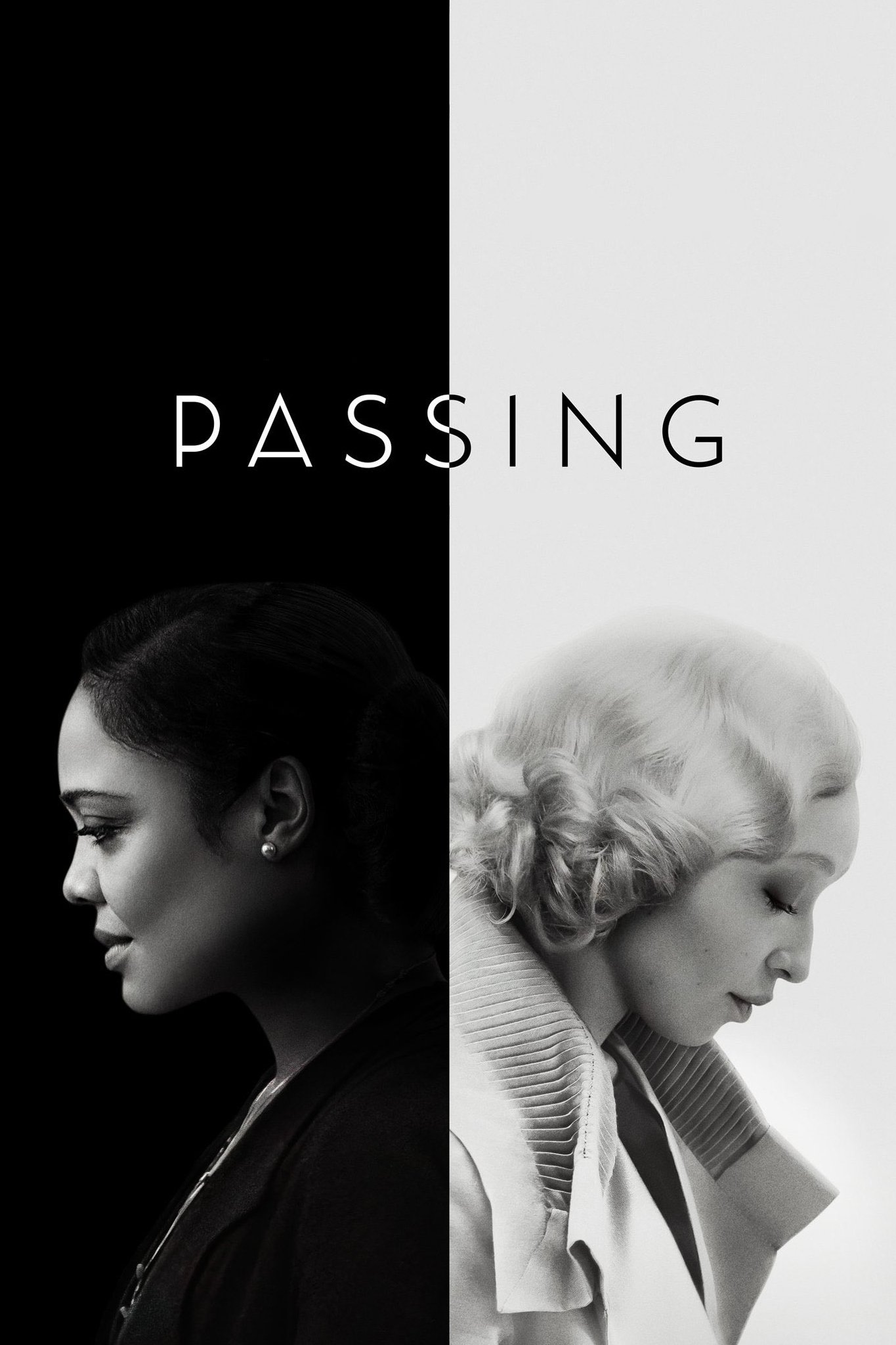


Passing
In 1920s New York City, a Black woman finds her world upended when her life becomes intertwined with a former childhood friend who's passing as white.
Insights
Plot Summary
In 1920s New York, Irene Redfield, a Black woman living in Harlem, unexpectedly reconnects with her childhood friend Clare Kendry. Clare, who is lighter-skinned, has been living as a white woman and is married to a wealthy, racist white man. The film explores their complex reunion as Irene is drawn into Clare's seemingly idyllic, yet dangerous, life, grappling with themes of race, identity, and desire.
Critical Reception
Passing received widespread critical acclaim, with particular praise for its direction, cinematography, and the performances of its lead actresses. Critics lauded its nuanced exploration of race, identity, and the social complexities of the era, though some found its deliberate pacing and ambiguous ending to be divisive.
What Reviewers Say
- A visually stunning and thought-provoking examination of racial identity and social performance.
- Tessa Thompson and Ruth Negga deliver powerful, layered performances that anchor the film.
- Rebecca Hall's assured direction masterfully captures the subtlety and tension of Nella Larsen's novel.
Google audience: Audiences praised the film's masterful direction and the compelling performances, especially from the lead actresses. Many appreciated its thoughtful exploration of complex themes related to race and identity, though some viewers found the narrative style to be slow-paced.
Awards & Accolades
Nominated for Best Feature Film at the Independent Spirit Awards. Received several nominations and wins at smaller film festivals.
Fun Fact
Rebecca Hall's directorial debut was inspired by her own family history, as her father is white and her mother is Black, and she discovered her grandmother was involved in passing.
AI-generated overview · Verify ratings on official sources
My Review
TMDB Reviews
3 reviews