
Crime and Punishment
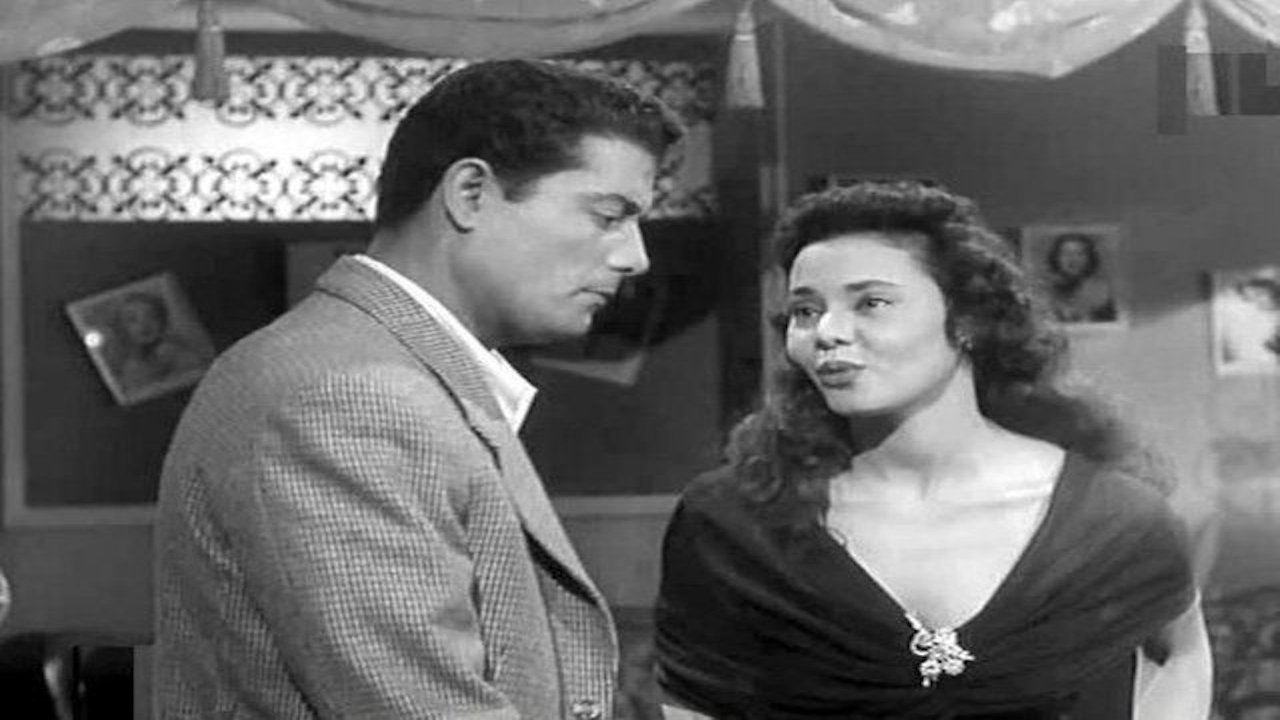
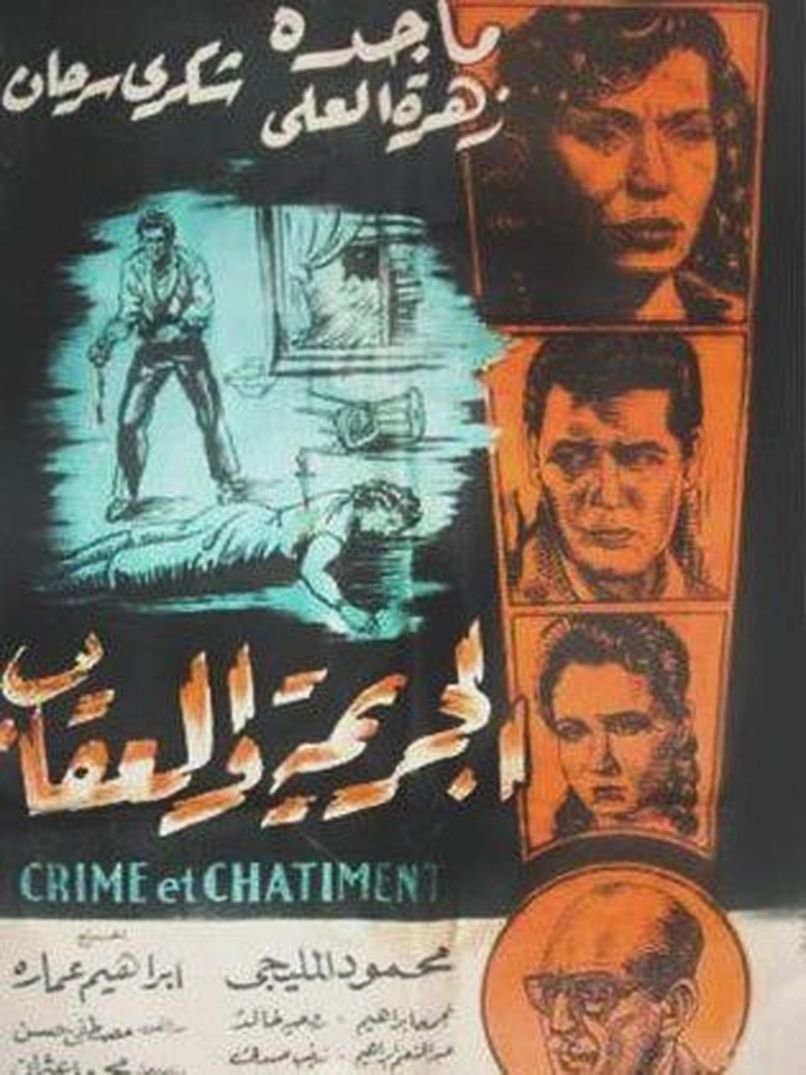
Former student Hosni is pushed to murder when struggling to pay the rent on his apartment. When the murder is being investigated by the police, Hosni struggles between trying to hide his guilt and the pressure to confess.
Insights
Plot Summary
A brilliant but impoverished student, Raskolnikov, driven to despair by his circumstances, concocts a theory that extraordinary men have the right to transgress moral laws for the greater good. He decides to test this theory by murdering a cruel pawnbroker and her sister, believing he can get away with it and use her money for good deeds. However, the act plunges him into a psychological torment of guilt, paranoia, and fear of discovery, leading to a profound internal struggle.
Critical Reception
The 1957 Soviet adaptation of Dostoevsky's classic novel was met with critical acclaim for its faithful and intense portrayal of Raskolnikov's psychological descent. Critics praised its atmospheric direction and strong performances, particularly in capturing the novel's bleak mood and philosophical depth. It is considered a significant cinematic interpretation of the literary masterpiece.
What Reviewers Say
- Praised for its faithful adaptation of Dostoevsky's complex psychological themes.
- Commended for its dark and atmospheric cinematography.
- The lead performance effectively conveys Raskolnikov's internal torment and descent into madness.
Google audience: Information regarding specific Google user reviews and their sentiments for this particular film is not readily available.
Fun Fact
This adaptation is considered one of the most faithful cinematic interpretations of Fyodor Dostoevsky's seminal novel, capturing much of its philosophical and psychological intensity.
AI-generated overview · Verify ratings on official sources