
Movie spotlight
The Last Laugh
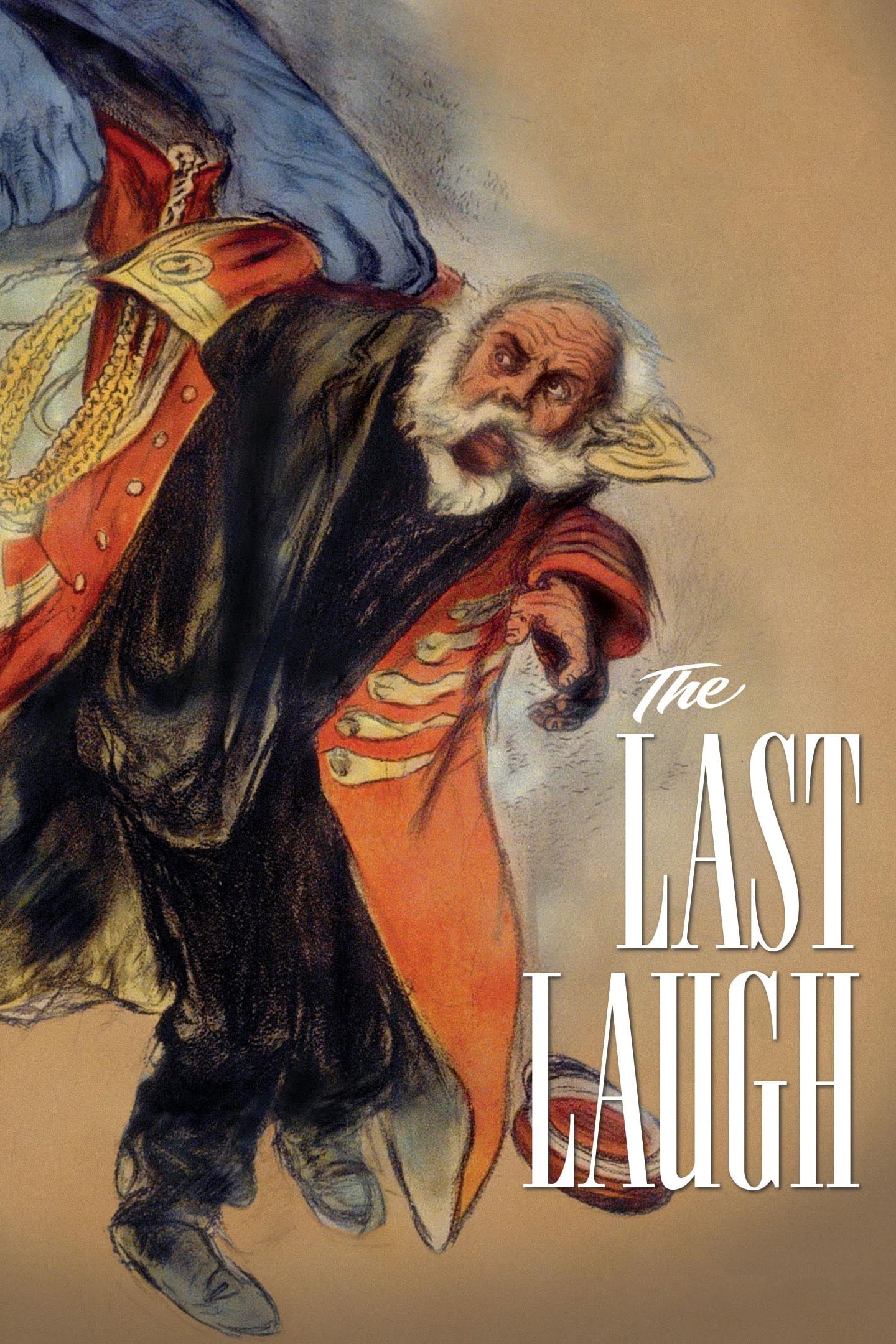
An aging doorman, after being fired from his prestigious job at a luxurious hotel, is forced to face the scorn of his friends, neighbours and society.
Insights
Plot Summary
An aging hotel doorman, proud of his uniform and position, is abruptly demoted to lavatory attendant by the hotel manager. Stripped of his dignity, he struggles to conceal his shame from his family and neighbors, resorting to elaborate deceptions. The film traces his emotional descent and eventual, albeit bittersweet, acceptance of his changed circumstances.
Critical Reception
Widely acclaimed as a masterpiece of the silent film era, 'The Last Laugh' is celebrated for its innovative cinematography and powerful emotional storytelling. Critics praised F.W. Murnau's direction and Emil Jannings's tour-de-force performance, hailing it as a prime example of German Expressionism's cinematic potential and a profound study of human dignity.
What Reviewers Say
A visually stunning and emotionally resonant film that explores the fragility of dignity.
Emil Jannings delivers an unforgettable performance as a man stripped of his status.
Murnau's pioneering camera techniques were revolutionary for their time.
Google audience: Audiences consistently praise 'The Last Laugh' for its deeply moving portrayal of the human condition and its groundbreaking visual style. Many are struck by the film's ability to evoke strong emotions without dialogue, highlighting Jannings's masterful performance and Murnau's innovative direction as key strengths.
Awards & Accolades
None notable (as awards were not standardized in the same way during its initial release, but it is consistently ranked among the greatest films ever made).
Fun Fact
The film is famous for its lack of intertitles, relying almost entirely on visual storytelling and Emil Jannings's performance to convey the narrative and emotions, a technique that was highly innovative for its time.
AI-generated overview · Verify ratings on official sources