
Movie spotlight
Incest
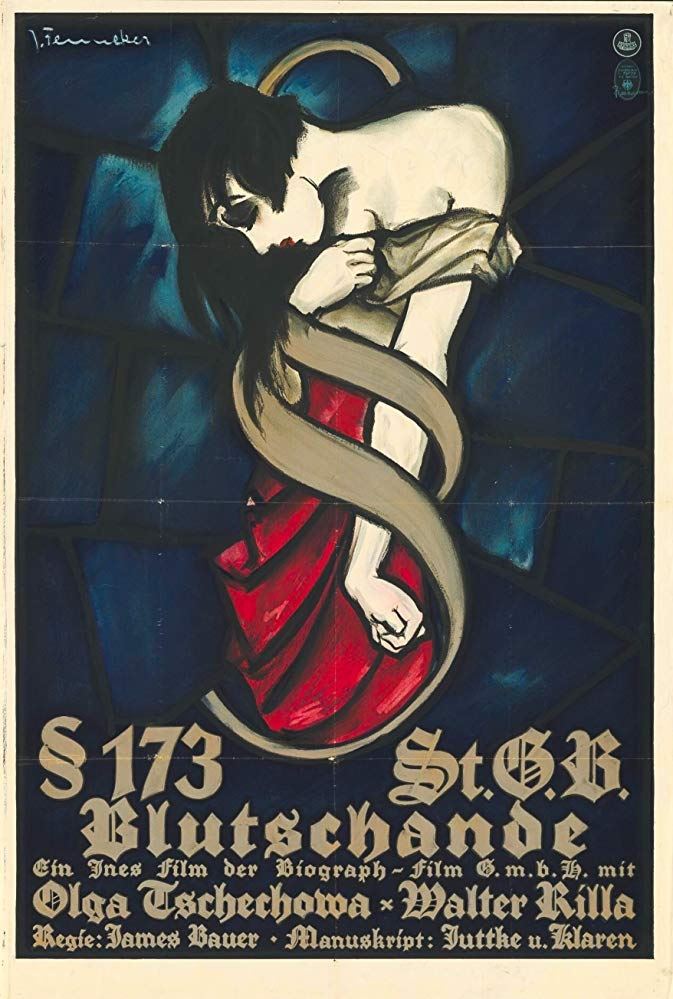
Martin Hollmann, a young gardener meets his significantly older wife's daughter from her first marriage. Liesbeth Kröger is from his generation and they both get along well straight away. Shortly after his wife's death, Martin brings Liesbeth into his house as a housekeeper, and they both fall in love. The couple live together and soon decide to get married when Liesbeth becomes pregnant by Martin. But now the tragedy begins, because when registering at the registry office, Martin and Liesbeth, in the form of a strict bailiff, are officially declared that they have committed incest in accordance with Section 173 of the Criminal Code.
Insights
Plot Summary
In a remote, isolated castle, a young woman named Kitty lives a sheltered life with her domineering father. Her idyllic existence is shattered when she discovers a dark family secret: her father is also her biological father. As the truth unfolds, Kitty grapples with her forbidden desires and the horrifying implications of her lineage.
Critical Reception
This silent film from Karl Grune is known for its psychological depth and taboo-breaking subject matter for its time. It was a challenging film to produce and distribute due to its controversial themes, and while it garnered some critical attention for its artistic merit and daring narrative, its reception was largely muted due to its difficult subject.
What Reviewers Say
Praised for its atmospheric direction and disturbing exploration of taboo themes.
Criticized for its uncomfortable subject matter and melodramatic tone.
Regarded as a significant, albeit unsettling, work of German cinema.
Google audience: Information on specific Google user reviews for this early film is not widely available. However, general audience reactions from its era likely focused on the shock value and moral implications of its incestuous narrative.
Fun Fact
Karl Grune, the director of 'Incest,' was known for his visually striking films, and 'Incest' is considered one of his more daring and controversial works, pushing the boundaries of what was acceptable to portray on screen in the late 1920s.
AI-generated overview · Verify ratings on official sources