Movie spotlight
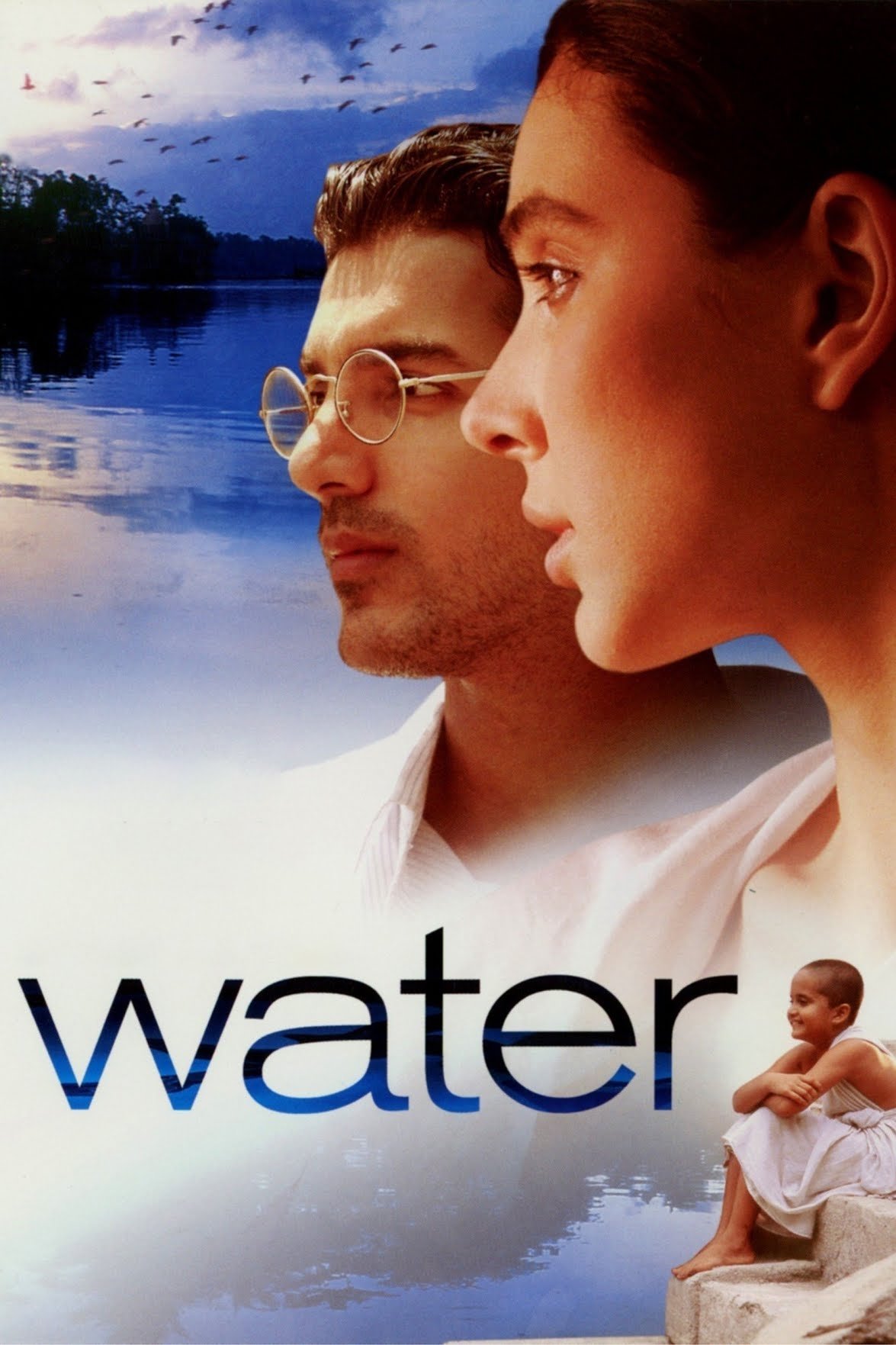
Water
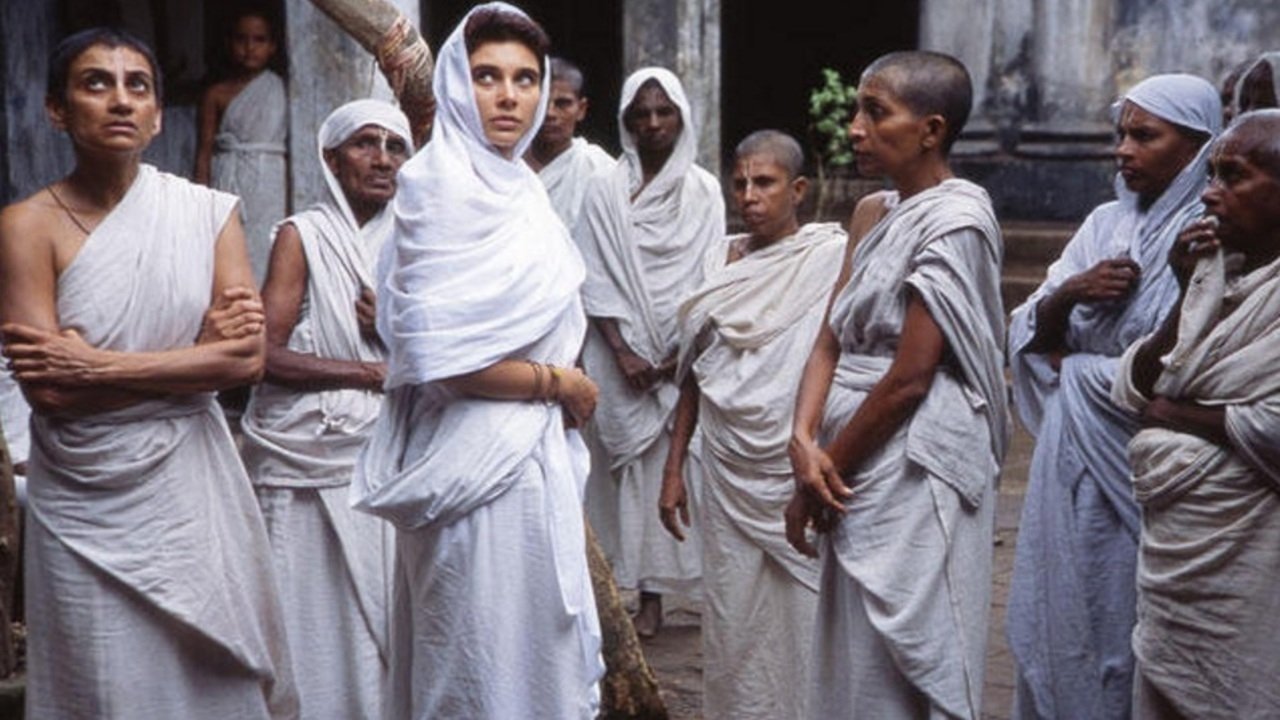
The year is 1938, and Mahatma Gandhi's groundbreaking philosophies are sweeping across India, but 8-year-old Chuyia, newly widowed, must go to live with other outcast widows on an ashram. Her presence transforms the ashram as she befriends two of her compatriots.
Insights
Plot Summary
In 1938 India, a young widow named Narayani is forced to shave her head and live in an ashram, a sanctuary for widows, after her husband's sudden death. There, she forms an unlikely friendship with other widows and falls in love with a man who is already married. Their forbidden love challenges the strict social conventions and patriarchal norms of the time.
Critical Reception
Water received widespread critical acclaim for its sensitive portrayal of a controversial social issue, its stunning visuals, and its powerful performances. While some found the pacing slow, most critics praised its emotional depth and its examination of tradition versus modernity.
What Reviewers Say
Praised for its poignant and beautiful exploration of widowhood in India.
Lauded for strong performances, particularly from Lisa Ray and Seema Biswas.
Commended for its striking cinematography and evocative atmosphere.
Google audience: Audiences generally found Water to be a moving and thought-provoking film, appreciating its depiction of a difficult subject matter and its emotional resonance. Many highlighted the film's beauty and the compelling storyline.
Awards & Accolades
Nominated for the Academy Award for Best Foreign Language Film. Won multiple awards at various international film festivals.
Fun Fact
The film's production was plagued by controversy and delays, including violent protests and arson attacks by Hindu fundamentalists who objected to its subject matter, forcing the production to relocate from India to Sri Lanka.
AI-generated overview · Verify ratings on official sources