IMDb7.1/10
Rotten Tomatoes93%
Metacritic87/100
Google Users78%
Director: Béla Tarr•Genres: Drama
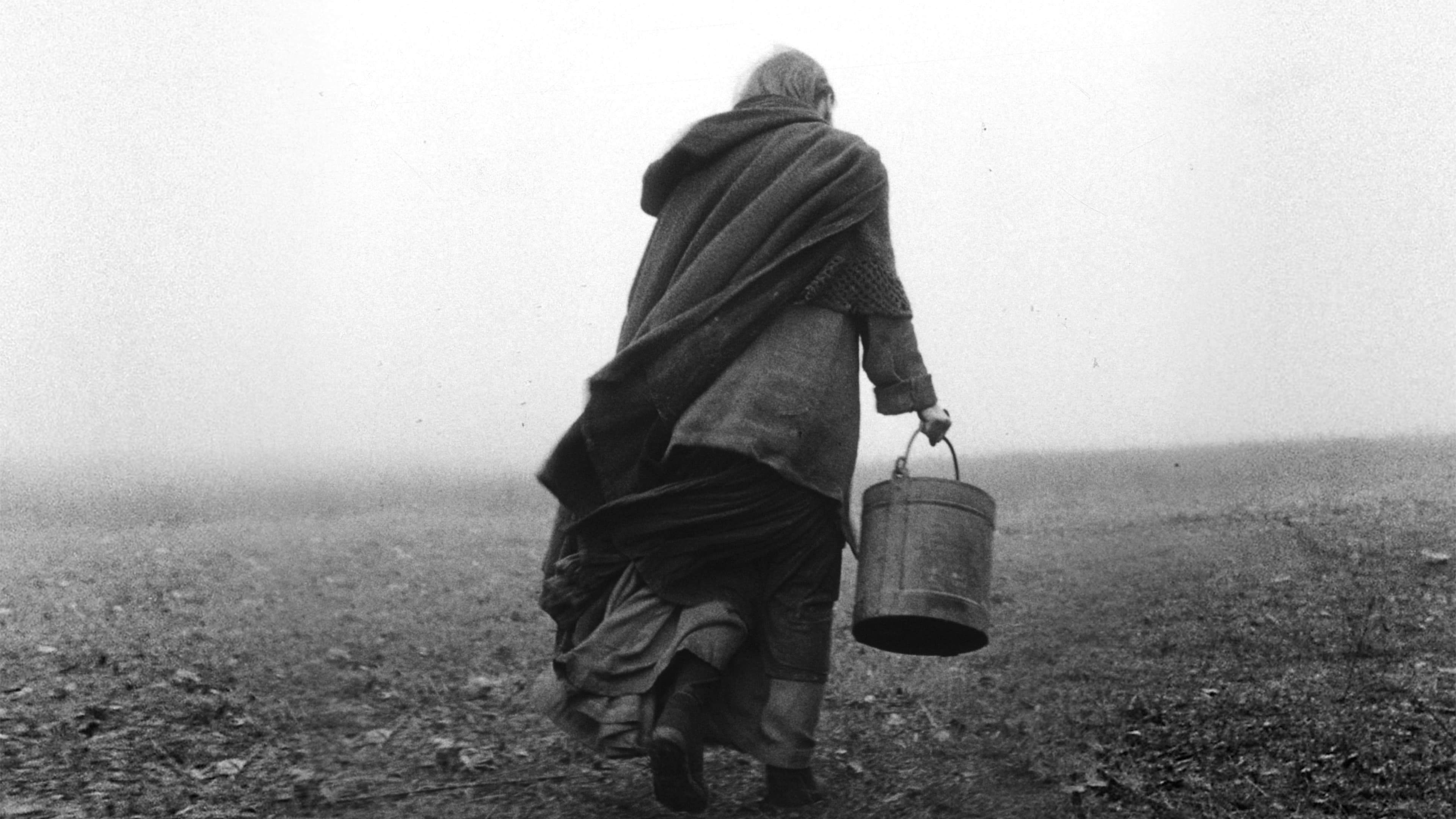
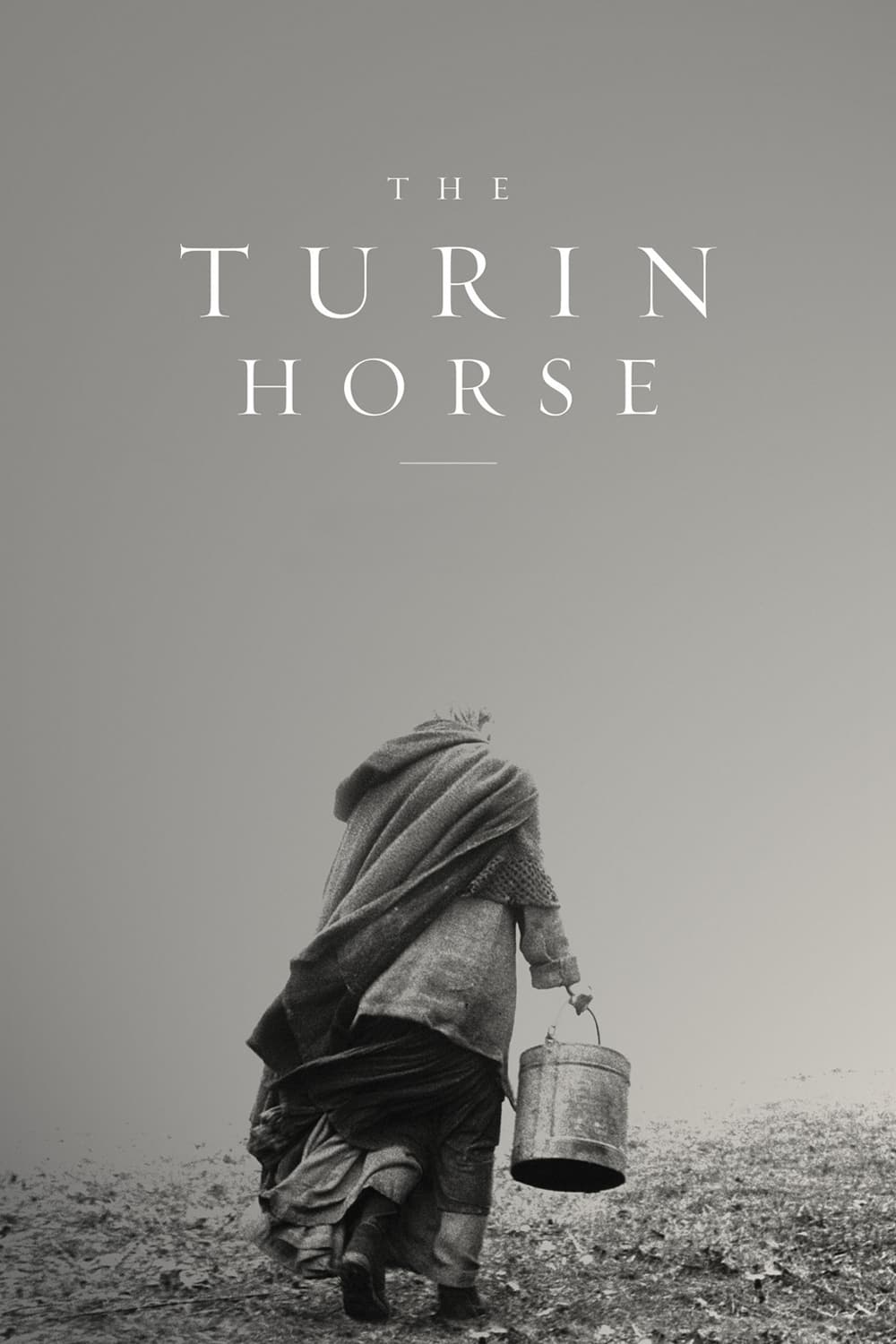
The film depicts the bleak daily existence of an old farmer, his daughter, and their dying horse. Set against a backdrop of relentless wind and repetitive routines, their lives are marked by hardship and an impending sense of doom. As their resources dwindle and the horse weakens, the narrative explores themes of decay, suffering, and the human condition.
Béla Tarr's final film was met with widespread critical acclaim for its minimalist aesthetic, profound philosophical underpinnings, and haunting atmosphere. Critics lauded its unyielding commitment to its vision, though some found its deliberate pace and bleakness challenging. It is widely regarded as a significant work of arthouse cinema.
Praised for its masterful, bleak cinematography and profound existential themes.
Acknowledged as a challenging yet rewarding viewing experience for its uncompromising artistic vision.
Noted for its powerful exploration of human suffering and the cyclical nature of life.
Google audience: Google users appreciated the film's artistic merit and unique, thought-provoking approach, though many found its somber tone and slow pacing to be quite demanding.
Grand Prix special distinction of the Jury and FIPRESCI Prize at the 68th Venice International Film Festival, Jury Prize at the 2012 Dublin Film Festival.
The film's title is a reference to the apocryphal story of Friedrich Nietzsche famously encountering a whipped horse in Turin, an event that allegedly triggered his mental breakdown.
AI-generated overview · Verify ratings on official sources