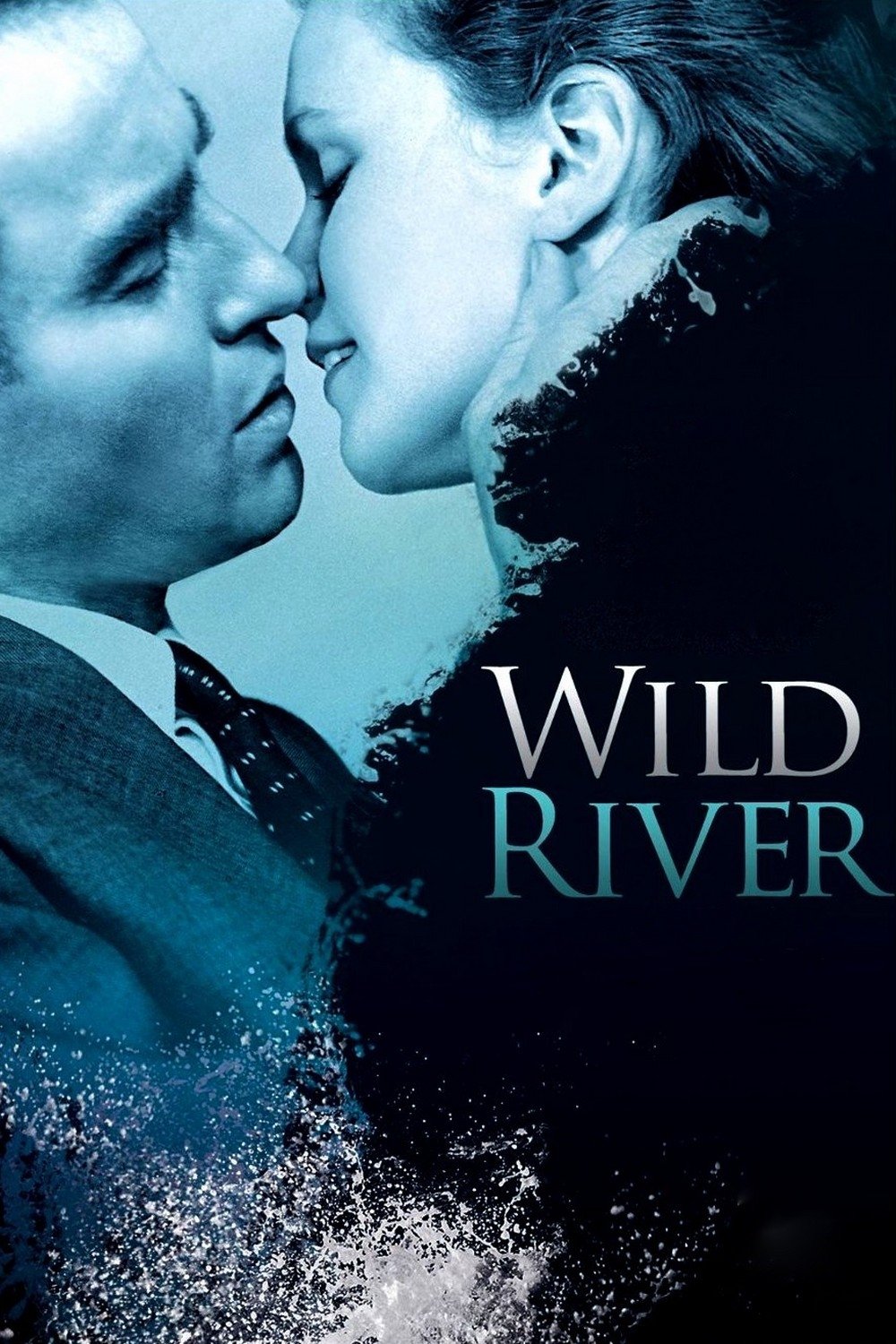

Wild River
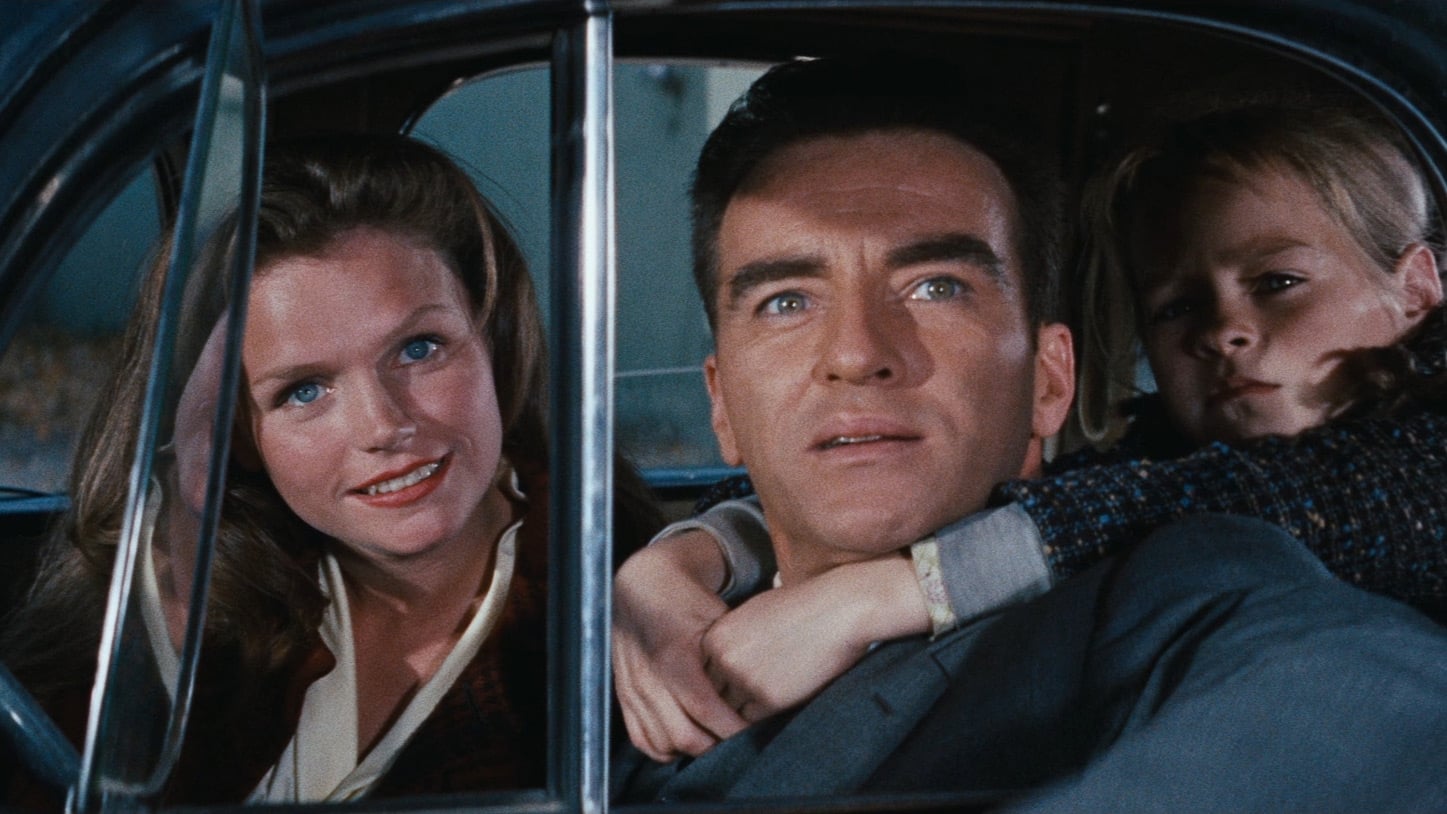
A young bureaucrat for the Tennessee Valley Authority goes to rural Tennessee to oversee the building of a dam. He encounters opposition from the local people, in particular a farmer who objects to his employment (with pay) of local black laborers. Much of the plot revolves around the eviction of a stubborn octogenarian from her home on an island in the river, and the young man's love affair with that woman's widowed granddaughter. Preserved by the Academy Film Archive in partnership with The Film Foundation.
Insights
Plot Summary
In 1930s Tennessee, a government agent is sent to a rural community to facilitate the relocation of families displaced by the construction of a hydroelectric dam. He becomes entangled in a complex local situation involving a widowed mother and her estranged son, leading to moral and emotional conflicts.
Critical Reception
Wild River received generally positive reviews from critics, who praised Elia Kazan's direction, the performances of the lead actors, and its powerful depiction of social change and human relationships. However, it was not a commercial success, and its critical acclaim has grown over time as a significant work in Kazan's filmography.
What Reviewers Say
- Praised for its sensitive portrayal of human drama amidst societal change.
- Montgomery Clift's performance is noted as intense and complex.
- Elia Kazan's direction effectively captures the atmosphere and moral ambiguities of the era.
Google audience: Audience reception for 'Wild River' is not widely documented on Google reviews, but critical appreciation highlights its thoughtful narrative and strong performances.
Fun Fact
The film was shot on location along the Tennessee River, bringing a sense of authenticity to its depiction of the era and the impact of the New Deal's rural electrification projects.
AI-generated overview · Verify ratings on official sources