Movie spotlight
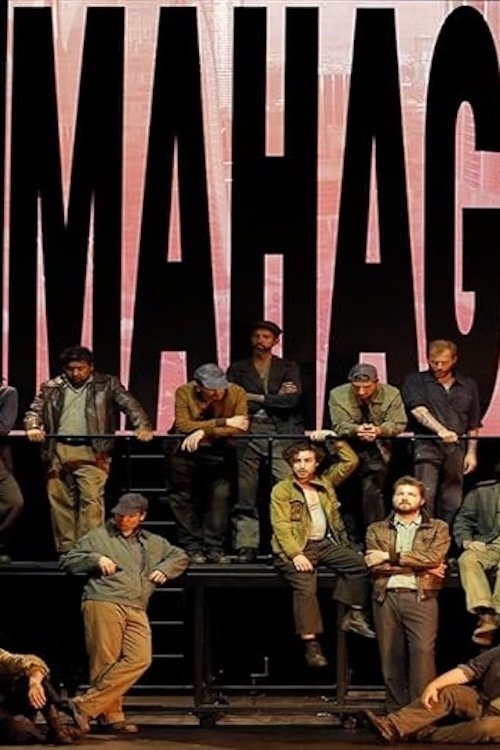
Rise and Fall of the City of Mahagonny
Composed in the 1930s by Kurt Weill and Bertolt Brecht, this is a mordant satire on capitalism and the inexorable industrialization of a society in which the ultimate crime is not having money
Insights
Plot Summary
The opera tells the story of the fictional city of Mahagonny, founded by criminals who establish a society based on greed, pleasure, and the exclusion of suffering. When the "god of Mammon" arrives, the city's inhabitants indulge in every imaginable vice, leading to their eventual downfall. It's a biting satire on capitalism and human nature.
Critical Reception
As an opera, 'Rise and Fall of the City of Mahagonny' is critically acclaimed for its daring social commentary, innovative score by Kurt Weill, and powerful libretto by Bertolt Brecht. Productions vary greatly in their interpretation and execution, influencing reception, but the work itself is considered a landmark of 20th-century opera.
What Reviewers Say
A searing critique of consumerism and moral decay.
Weill's music is both captivating and unsettling.
Brecht's libretto is provocative and intellectually challenging.
Google audience: Audience reception for specific productions of 'Rise and Fall of the City of Mahagonny' often highlights its provocative themes and memorable music, though some find its cynicism and length challenging.
Awards & Accolades
None notable (as an opera, accolades are typically for individual productions or performers rather than the work itself in a singular year like a film).
Fun Fact
The opera was famously controversial upon its premiere in 1930, with critics divided over its political and social messages, and some performances even being disrupted by hecklers.
AI-generated overview · Verify ratings on official sources